
Light Requirements
Full sun to part shade means a plant thrives in 6 hours of direct sunlight but tolerates 3–6 hours with some afternoon shade, especially in hot climates. This flexibility prevents stress while maximizing growth potential.
This lighting range is perfect for plants that need bright conditions but can't handle harsh midday sun, especially in sweltering areas. 🌿 Think of it as the Goldilocks zone for foliage—enough light for photosynthesis without overheating.
I've noticed that many flowering plants like roses or lavender thrive here, producing vibrant blooms while avoiding leaf scorch. The key is balancing exposure: morning sun builds energy, while afternoon shade cools the plant and prevents wilting.
To test your garden's light conditions, observe how shadows move throughout the day. A spot with 3–6 hours of direct rays (like under a large tree's dappled shade) fits this category, while areas with full sun all day (6+ hours) would stress these plants.
Adjusting plant placement seasonally—moving pots to sunnier spots in winter—can also help maintain ideal conditions.
💡 In This Article
- How Sunlight Affects Plant Growth and Health
- Choosing the Best Location for Sun-to-Shade Plants
How sunlight affects plant growth and health
Sunlight drives photosynthesis, but too much can scorch leaves—this is why the 6-hour sweet spot exists. Plants in this range optimize their chlorophyll production, converting light into energy efficiently without overheating.
Think of it like a solar panel: too little light means underperformance, while excessive intensity damages the delicate leaf structure.
For example, a lavender plant exposed to 8+ hours of direct sun in Arizona will wilt, but the same plant in 4-6 hours of morning light with afternoon shade thrives, producing fragrant blooms.
The science gets even more interesting when you look at leaf adaptations. Plants in full sun often develop thicker, waxier leaves to reflect excess heat, while those in part shade grow larger surface areas to capture scattered light.
Roses, for instance, have glossy, slightly hairy leaves that balance moisture retention and light absorption. This dual adaptation explains why they flourish in 3-6 hours of filtered sun—they’re built for flexibility. 🌞 The trade-off? Too little light reduces photosynthesis, leading to leggy growth and weak stems.
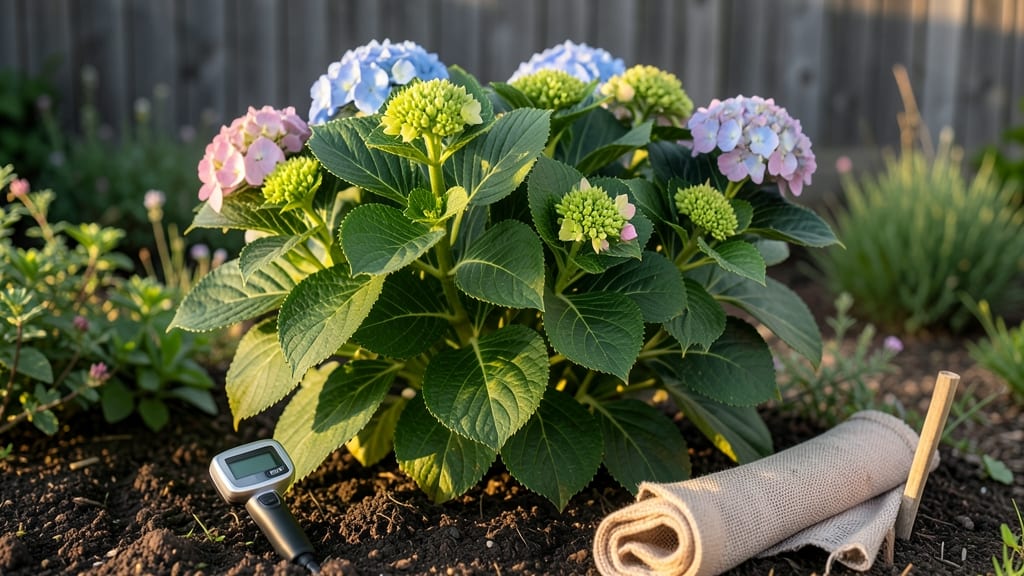
Heat stress plays a critical role here. Afternoon sun (especially between 12 PM and 4 PM) can push temperatures to 90°F+, causing leaf burn. That’s why plants like hydrangeas, which need 4-6 hours of morning sun, benefit from afternoon shade.
Their delicate petals and leaves can’t handle prolonged heat, but they still require bright conditions to develop vibrant colors. The solution? Gradual acclimation—slowly increasing sun exposure over 2-3 weeks prevents shock.
Seasonal variations add another layer. In summer, a spot might get 8 hours of sun, but in winter, that same area could drop to 3 hours. This is why part-shade plants often do best in microclimates like east-facing windows or the edge of a patio.
The east side provides gentle morning light, while the west offers afternoon warmth without the intensity of midday rays. Understanding these patterns helps you create the perfect balance for your plants.
One common misconception is that "part shade" means dim lighting. In reality, it’s about intensity and duration. A plant like coleus, which loves 4-6 hours of bright, indirect light, will grow tall and spindly if placed in deep shade but develop vibrant foliage in the right conditions.
The key is observing how light filters through your space—dappled shade under a tree is ideal, while dense shade under a thick canopy is too little.
For gardeners, this means paying attention to leaf color changes. Yellowing leaves signal too much sun, while pale, weak growth indicates insufficient light. Adjusting plant placement—even by a few feet—can make a dramatic difference.
For example, moving a geranium from a south-facing window to a north-facing one might save it from scorching while still providing enough light for blooms. 🌱