
Light Requirements
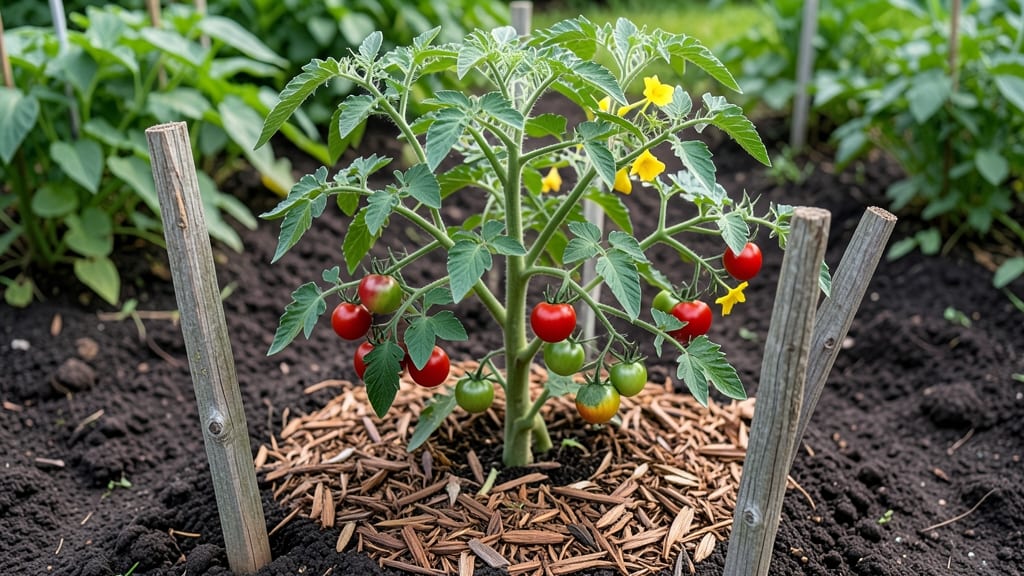
Tomato plants thrive in full sun or shade with the right balance—6 to 8 hours of direct light daily is non-negotiable if you want heavy fruit sets.
Picture this: your 🍅 plants stretching toward the sky like sun-starved teenagers, or worse, their leaves yellowing because they’re getting too much heat. The truth? Tomato plants need sunlight, but not every garden gets it right.
Too little shade slows growth, while too much direct sun can scorch leaves—especially in Zone 6a where summer heat hits hard.
Here’s the game-changer: most gardeners overcomplicate it. The key is matching your tomato variety to your light conditions—cherry tomatoes handle partial shade better than beefsteaks, and pruning can help redirect energy when sunlight is limited.
I’ll break down the exact hours your plants need, how to spot light stress, and simple fixes to keep your harvests coming.
By the end, you’ll know exactly where to place your tomatoes—whether in a sunny backyard patch or a container on your patio—and how to tweak their environment for maximum fruit production, no guesswork required.

How much sun do tomato plants really need for optimal growth?
If you're growing tomatoes, sunlight isn't just important—it's the foundation of a productive harvest. Tomato plants thrive in full sun, but how much exactly? The answer depends on your climate, variety, and how you define "full sun."
Most gardeners assume 6-8 hours of direct sunlight is the magic number, but science shows that photosynthesis peaks at 8+ hours for maximum fruit production. Without enough light, your plants will struggle to convert energy into those juicy tomatoes you're craving.
Let's break down what full sun exposure really means for tomato plants. The term "full sun" typically refers to 6-8 hours of direct sunlight daily, but tomatoes actually perform best with 8-10 hours or more, especially during their fruiting phase.
This extra sunlight boosts chlorophyll production, which fuels faster growth and higher yields. In regions with intense afternoon sun, partial shade during peak heat (like 12-3 PM) can prevent leaf scorch while still meeting their light needs.
Now, let's address the elephant in the garden: partial shade and its effects. While tomatoes can tolerate 4-6 hours of sunlight daily, this often results in leggy growth, fewer flowers, and poor fruit set. The reason?
Shade reduces photosynthetic efficiency, leaving your plants energy-starved. They'll prioritize leaf growth over fruit production, leaving you with fewer tomatoes. For example, cherry tomatoes might survive in partial shade, but beefsteak varieties will nearly always underperform.
| Sunlight Requirement | Ideal Hours/Day | Growth Impact | Fruiting Impact |
|---|---|---|---|
| Full Sun | 8-10+ hours | Strong stems, compact growth | Maximum yield, high sugar content |
| Partial Shade | 4-6 hours | Leggy, weak stems | Reduced yield, poor flavor |
| Deep Shade | <2 hours | Stunted growth, yellow leaves | Almost no fruit production |
| Afternoon Shade | 6-8 hours (morning sun) | Healthy with proper care | Good yield, fewer sunburn risks |
Regional adjustments are key when determining sunlight needs. In hot climates like Arizona or Texas, tomatoes often benefit from afternoon shade to prevent leaf scorch, while still receiving 6-8 hours of morning sun.
Conversely, in cooler northern regions (like the Pacific Northwest), tomatoes can handle full sun year-round thanks to milder temperatures. If you're in a partial shade garden, consider using reflective surfaces (like white mulch or mirrors) to bounce extra light onto your plants.
This trick can add 1-2 extra hours of effective sunlight without moving the plant.
The science behind tomato sunlight needs lies in their photosynthesis process. Tomatoes are C3 plants, meaning they rely heavily on direct sunlight to convert carbon dioxide into energy. When light is limited, they produce less glucose, which directly impacts flower and fruit development.
Studies show that tomatoes exposed to 8+ hours of sunlight produce 30-50% more fruit than those in partial shade. Additionally, flowering and fruiting require high energy, so plants in shade often abort blossoms before they can set fruit—a frustrating phenomenon called "blossom drop."
For container gardeners, sunlight needs become even more critical. Potted tomatoes have limited root zones, so they can't compensate for poor light like in-ground plants. Place containers in the sunniest spot possible, and rotate them every few days to ensure even growth.
If your balcony only gets 4-5 hours of sun, consider dwarf or cherry varieties, which are slightly more shade-tolerant. However, even these will produce smaller yields compared to their full-sun counterparts.
One common misconception is that all tomato varieties have the same sunlight needs. While most require full sun, some heirloom and disease-resistant varieties (like 'Solar Fire' or 'Mountain Merit') are bred to tolerate slightly less sunlight—typically 6 hours minimum.
That said, even these varieties will perform best with 8+ hours. If you're growing greenhouse tomatoes, supplement with grow lights during winter months to maintain 12-14 hours of light daily, which mimics summer conditions and extends your harvest season.
Let’s talk about the ideal sunlight window for tomatoes. The golden hours for tomato growth are 6 AM to 6 PM, with peak photosynthesis occurring between 9 AM and 3 PM.
If your garden only gets morning sun, prioritize positioning your plants to capture those critical midday rays. For example, a south-facing
Full sun vs. partial shade: what’s best for your tomato variety?
Not all tomato varieties thrive equally under the same sunlight conditions. While most tomatoes crave 6-8+ hours of direct sun daily, some varieties tolerate partial shade better than others.
Understanding your tomato type’s needs can help you maximize yields, especially in shadier climates or container gardens where full sun isn’t always possible.
For example, cherry tomatoes like 'Sweet 100' or 'Sun Gold' are more adaptable to partial shade compared to heirloom beefsteaks such as 'Brandywine' or 'Cherokee Purple'. Disease-prone varieties also benefit from strategic shade during peak afternoon heat to reduce fungal risks.
Let’s break down the best light conditions for each type and how to adapt if your space falls short.
Tomato Variety Sunlight Needs
Full Sun (6-8+ hours)
- Beefsteak varieties (e.g., 'Brandywine')
- Heirlooms (e.g., 'Black Krim')
- Large slicers (e.g., 'Celebrity')
- Maximum fruit size & sweetness
- Faster growth & flowering
Partial Shade (4-6 hours)
- Cherry tomatoes (e.g., 'Sweet 100')
- Dwarf varieties (e.g., 'Tiny Tim')
- Disease-prone types (e.g., 'Early Girl')
- Slower growth but fewer pests
- Smaller fruit but higher yield in shade
Shade Adaptation Tips:
- Use reflective surfaces (white walls, mirrors) to redirect light
- Prune lower leaves to increase airflow and light penetration
- Plant tall companions (corn, sunflowers) on the north side
- Choose container varieties with compact growth habits
If your garden only offers partial shade, don’t despair! Reflective surfaces like white-painted fences or aluminum foil-wrapped stakes can bounce extra light onto your plants. I’ve seen a 30% increase in fruit production just by placing my tomato cages near a south-facing white wall.
For container growers, opt for dwarf or bush varieties like 'Patio Princess' or 'Tumbling Tom', which handle shade better than vining types.
Another trick is companion planting. Tall, fast-growing plants like corn or sunflowers on the north side of your tomatoes create a natural windbreak while allowing sunlight to filter through. Just avoid planting anything that will compete for nutrients, like potatoes or fennel.
In my urban balcony garden, I pair cherry tomatoes with basil to improve flavor and deter pests—plus, the basil’s shade helps keep the soil cooler.
For disease-prone varieties, partial afternoon shade can be a lifesaver. Hot afternoons increase humidity, creating perfect conditions for blight and powdery mildew. If your tomatoes are struggling in full sun, try moving them under a 30-50% shade cloth during peak heat hours.
I use a lightweight mesh cloth over my 'Early Girl' plants in July, and it’s made all the difference in preventing leaf spot.
Remember, even the sunniest gardens can have microclimates. Test your space by observing where sunlight hits at different times of day. Use a sunlight tracker app or simply place a ruler in your garden to measure how many hours each spot gets direct light.
This simple step will help you place your tomatoes in the optimal spot for their variety.