
Companion Plants
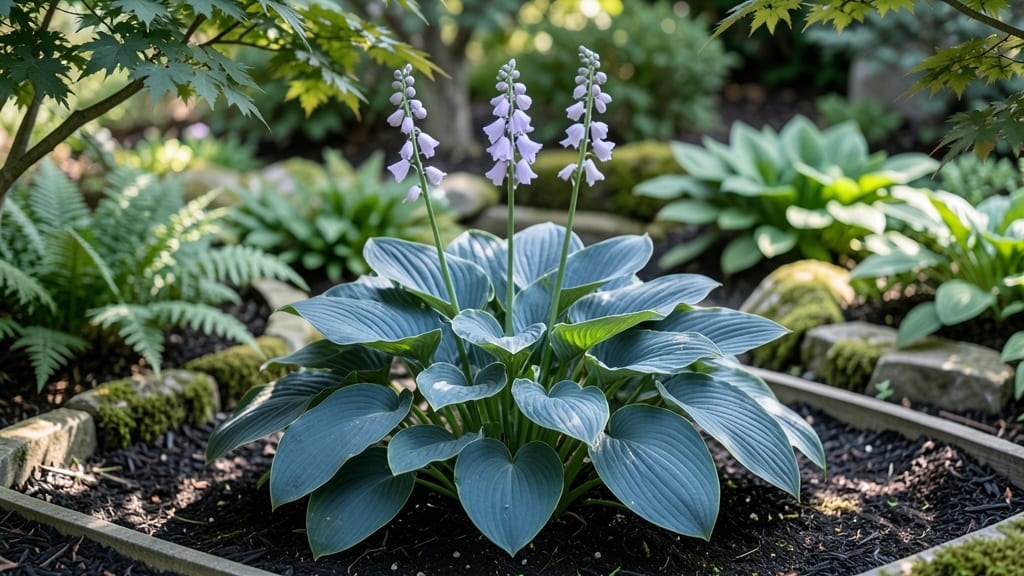
The plants requiring shade I’ve chosen—like ferns, hostas, and impatiens—turn my darkest garden nook into a thriving oasis, proving low light can be just as lush. 🌿 The key isn’t forcing sunlight on them but understanding exactly what they need to thrive where others fade.
These plants love dappled light or full shade, but they still need well-draining soil and consistent moisture. Overwatering is the biggest mistake—shady spots stay damp longer, so let the top inch dry out between waterings.
A mulch layer helps retain moisture while keeping roots cool, and organic matter keeps soil fertile without relying on sunlight.
By mid-summer, you’ll see ferns unfurling delicate fronds, hostas developing deep green foliage, and impatiens bursting with color. The air stays cooler, the space feels alive, and you’ll finally put that shady spot to work instead of ignoring it.
It’s the perfect solution for north-facing yards, dense tree canopies, or even indoor spots near windows.
Start with just a few varieties to test what works best in your space. Once you see how they respond, you can expand—adding caladiums for bold foliage or astilbes for airy plumes. The secret isn’t fighting the shade; it’s working with it to create a garden that’s uniquely yours.
📚 In This Guide
- What you need
- Instructions
- Tips and common mistakes
- Wrapping up and next steps
What you need
- ● Shade-tolerant plants: 1–3 Hostas (varieties like 'Blue Angel' or 'Halcyon')
- ● 2–4 Ferns (e.g., Maidenhair or Ostrich)
- ● 1–2 Hydrangeas (e.g., Oakleaf or Bigleaf)
- ● 3–5 Heucheras (for colorful foliage)
- ● 1–2 Astilbes (for delicate plumes)
- ● Soil amendments: 5–10 lbs of peat moss or coconut coir (for moisture retention)
- ● 3–5 lbs of compost (organic matter for nutrients)
- ● 1–2 cups of slow-release fertilizer (10-10-10 or shade-specific blend)
- ● Gardening tools: 1 trowel (for transplanting)
- ● 1 garden fork (for amending soil)
- ● 1 pruners (sterilized for trimming)
- ● 1 watering can or hose with a gentle spray nozzle
- ● Mulch: 2–3 bags of organic mulch (e.g., shredded bark or pine needles, 2–3 inches thick)
- ● Shade cloth: Lightweight 30–50% shade fabric (for areas with partial sun).
- ● Container garden supplies: 2–4 large pots (12–18 inches deep, with drainage holes)
- ● 1–2 self-watering planters (for convenience)
- ● Decorative elements: Garden stakes or obelisks (for climbing plants like Clematis)
- ● Garden stones or pebbles (for pathways or borders)
- ● pH test kit: To check soil acidity (ideal range: 5.5–6.5 for most shade plants).
How to select and care for plants thriving in shade
Here’s how to choose and nurture shade-loving plants for a lush, low-light garden.
🌿 Step 1: Identify Your Shade Conditions
Not all shade is equal—understand your space first. Dappled shade (filtered light through trees) suits ferns, hostas, and astilbes, while deep shade (less than 3 hours of sunlight) calls for hellebores, lungwort, or Japanese painted ferns. I always check the light patterns at different times of day to avoid surprises.
Use a shade meter (or your phone’s light app) to measure light levels. If your area gets less than 4 hours of direct sun daily, you’re in deep shade territory. Plants like impatiens or caladiums will still need bright indirect light—don’t assume all shade plants tolerate darkness equally.
🌱 Step 2: Choose the Right Plants for Your Conditions
For part shade (4-6 hours of sun), go for hostas, astilbes, or coral bells. These handle morning sun but appreciate afternoon shade. I’ve found that hostas with blue-green foliage thrive in partial shade, while variegated types need slightly more light to keep their patterns vibrant.
In full shade, focus on foliage plants like ferns, heucheras, or cast iron plants. These plants store energy in their leaves, not flowers, so don’t expect blooms like sun-lovers. I always pair them with one or two flowering varieties (like bleeding heart or lungwort) for seasonal color without sacrificing structure.
💧 Step 3: Prepare the Soil for Shade-Loving Plants
Shade plants often struggle in compacted or dry soil. Amend your garden beds with 3-4 inches of organic matter (like compost or peat moss) to improve drainage and moisture retention. I mix in a slow-release fertilizer (like 5-10-5) at planting to give roots a nutrient boost without burning tender foliage.
Test your soil’s pH—most shade plants prefer slightly acidic to neutral (6.0-7.0). If your soil is heavy clay, add perlite or coarse sand to lighten it. Mulch with 2-3 inches of shredded bark or wood chips to keep roots cool and retain moisture—this is non-negotiable in shade gardens where evaporation is slower.
☀️ Step 4: Plant and Water Strategically
Dig holes twice as wide as the root ball but only as deep. Place plants so the top of the root ball sits just below soil level—this prevents crown rot in heavy shade. I always water deeply after planting to eliminate air pockets, then let the soil settle for a day before adding mulch.
Water every 2-3 days in the first month, checking that the top 2 inches of soil stay consistently moist (not soggy). Shade plants wilt less visibly than sun-lovers, so I use my finger to test moisture—if it feels dry past the first inch, it’s time to water. Once established, most shade plants tolerate slightly drier conditions, but they’ll reward you with healthier growth if you keep them evenly moist.
✂️ Step 5: Maintain and Troubleshoot Common Issues
Deadhead spent blooms on flowering shade plants (like impatiens or astilbes) to encourage continuous blooming. I also prune leggy growth in early spring to promote bushier, more compact plants. Ferns and hostas rarely need pruning—just remove any brown or damaged leaves in late winter.
Watch for yellowing leaves, which often signal overwatering or poor drainage. If leaves look pale or weak, your plants may need more light—move them slightly closer to a window or brighter spot. Pests like slugs love shade gardens, so I set out beer traps or diatomaceous earth** as a preventative measure. A healthy shade garden should have minimal pest pressure if the soil stays rich and moisture is balanced.
Tips & tricks for perfect shade garden plant selection
Building a thriving shade garden takes more than just choosing plants—it's about understanding their unique needs. Here's what I've learned to create lush, low-light spaces that actually flourish.
Light Level Precision: That 3-4 hour sunlight distinction matters more than you might think. I test my garden spots throughout the day with a simple phone app—what seems like partial shade at noon might be full shade in the morning. For example, that hosta you love might scorch in morning sun but thrive in afternoon shade. Mark your garden with stakes at different times to track light patterns accurately.
Soil Prep Strategy: The 3-4 inches of organic matter isn't just a recommendation—it's a game-changer for shade plants. I mix in compost first, then top with a thin layer of worm castings for extra nutrients. This creates the perfect moisture-retaining environment while preventing that heavy, compacted soil that suffocates roots. Don't skip the perlite in clay soil—it's worth the extra effort for better drainage.
Plant Pairing Insight: When combining plants, think vertical layers. Tall ferns or astilbes (3-4 feet) work as backdrops, while lower-growing heucheras or ajugas create mid-level interest. I always place my flowering varieties like lungwort at the front where they'll get just enough light to bloom. This creates visual depth while ensuring each plant gets its ideal light exposure.
Watering Wisdom: Those first 2 inches of consistently moist soil are critical, but don't let them get soggy. I water deeply every 2-3 days in the morning so the soil has time to dry slightly between waterings. A moisture meter helps—aim for that "slightly damp" feel rather than wet. Once established, most shade plants actually prefer slightly drier conditions, but they'll reward you with better growth if you keep them evenly moist during their first year.
Pro Tips for Plants Requiring Shade
- Building a thriving shade garden takes more than just choosing plants—it's about understanding their unique needs.
- Light Level Precision: That 3-4 hour sunlight distinction matters more than you might think.
- Soil Prep Strategy: The 3-4 inches of organic matter isn't just a recommendation—it's a game-changer for shade plants.
Frequently asked questions
Got questions about growing shade-loving plants? You’re not alone! Here are some of the most common concerns—plus straightforward answers to help you create a lush, low-light garden with confidence.
What’s the difference between shade and partial shade for plants?
Shade
means little to no direct sunlight (think dappled light or deep shade under trees). Partial shade allows 2–6 hours of morning or filtered sun. Match your plants to the light conditions: ferns and hostas thrive in full shade, while impatiens and astilbes prefer partial shade.
How long does it take for shade plants to establish?
Most shade plants establish within 4–8 weeks, but flowering or full foliage may take 2–3 months. Slow growers like heucheras or caladiums might need a season to bulk up. Pro tip: Keep soil consistently moist (but not soggy) during the first month to encourage root growth.
Can I grow vegetables or herbs in shade?
Some veggies and herbs tolerate shade, but yields will be smaller. Try leafy greens (spinach, lettuce), bok choy, or cilantro in partial shade. Herbs like parsley or mint also adapt well. Avoid sun-lovers like tomatoes or basil—opt for shade-tolerant alternatives instead!
Why are my shade plants turning yellow or leggy?
Yellowing leaves often signal overwatering or nutrient deficiency, while leggy growth means too little light. Check drainage (shade plants hate soggy roots!) and move plants to a slightly brighter spot if possible. A balanced fertilizer (like 10-10-10) can help revive weak foliage.
What are the best shade plants for small spaces or containers?
Compact varieties like Japanese painted ferns, dwarf hostas, or fittonia (nerve plant) thrive in pots. For vertical interest, try climbing hydrangeas or ivy in hanging baskets. Remember: Containers dry out faster—water regularly and use well-draining soil!
Wrapping up and next steps
Transforming your low-light garden into a lush oasis is easier than you think! 🌿 With the right plants requiring shade, you can create a vibrant, thriving space that feels alive and intentional.
Whether you're working with a shady corner, an indoor jungle, or a forest garden, these varieties prove that shade doesn’t mean sacrificing beauty—it just means choosing wisely.
Ready to take the next step? Start small by adding just one or two of these shade-loving plants to your space, and watch as your garden—or home—fills with color, texture, and life. Happy planting! 🌱