
Light Requirements
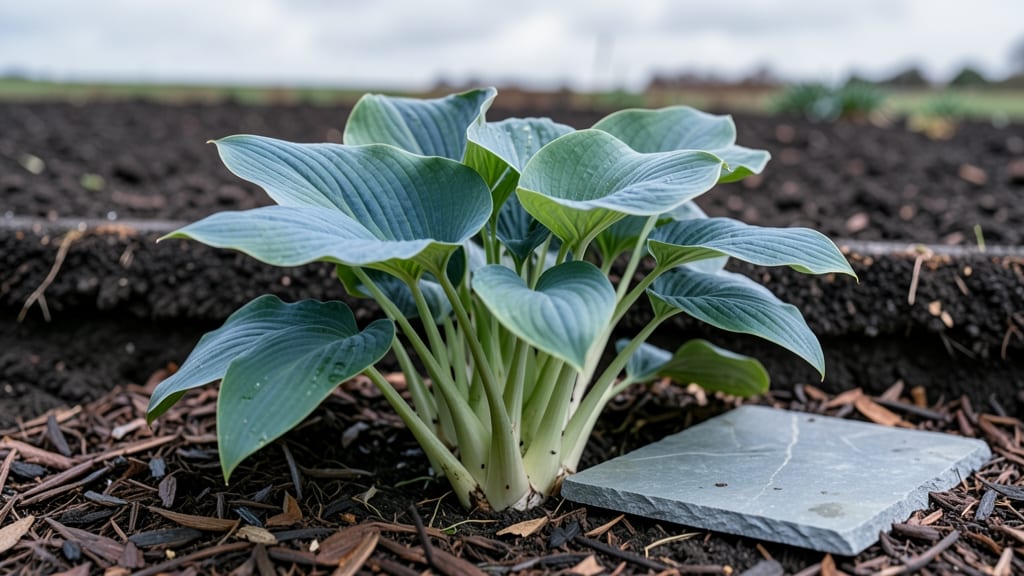
Partial shade plants and flowers bring life to those tricky spots under trees where full sun would scorch but full shade feels too dim. 🌿 I’ve learned that the right plants can turn those dappled-light patches into lush, vibrant areas that outperform sun-starved alternatives.
The key is choosing varieties that thrive with 3-6 hours of filtered light—think hostas, ferns, and impatiens—while avoiding the leggy, weak growth that plagues shade-tolerant misfits.
These plants aren’t just survivors; they’re showstoppers. Hostas add bold foliage in deep greens or variegated patterns, while ferns like maidenhair or ostrich provide delicate texture. Flowers like astilbes and bleeding hearts offer soft, romantic blooms that last all season.
The best part? They’re low-maintenance once planted—no fussing over wilting or sunburn. Pair them with shade-loving shrubs like hydrangeas or azaleas for a layered, professional look without the high-maintenance label.
Your garden’s understory or north-facing border will transform into a cool, lush retreat that feels alive, not neglected. The trick is grouping plants by their light needs—tall ferns in the back, mid-height hostas in the middle, and trailing impatiens at the front.
This creates depth and keeps everything thriving. Even in hotter climates, the right partial shade combo stays vibrant, proving that dappled light isn’t a compromise—it’s a design feature.
For containers or small spaces, opt for compact varieties like Japanese painted ferns or dwarf hostas. They’re perfect for patios or window boxes where bigger plants would overwhelm. And don’t forget: mulch helps retain moisture and keeps roots cool.
The result? A garden that feels intentional, not like an afterthought. Let’s bring those shady spots to life!
📚 In This Guide
- What you need
- Instructions
- Tips and common mistakes
- Wrapping up and next steps
What you need
- ● Partial shade plants: Choose from 3–5 varieties (e.g., hostas, ferns, impatiens, astilbes, or hydrangeas). Aim for 1–3 plants per square foot, depending on size.
- ● High-quality potting soil: 1–2 bags (50 lbs each) of well-draining, organic-rich soil (e.g., Miracle-Gro or FoxFarm Ocean Forest).
- ● Mulch: 1–2 bags of wood chips or shredded bark (2–3 cubic feet) to retain moisture and regulate temperature.
- ● Organic fertilizer: Slow-release granules (e.g., 10-10-10 or fish emulsion) for balanced nutrition.
- ● Garden trowel or spade (for digging holes).
- ● Pruning shears (to trim dead foliage or shape plants).
- ● Garden gloves (to protect your hands from thorns or soil).
- ● Watering can or hose with a gentle spray nozzle (for even moisture).
- ● Measuring tape (to space plants 12–24 inches apart, depending on maturity).
- ● Soil pH test kit (to ensure your soil is slightly acidic to neutral, ideal for most partial shade plants).
- ● Epsom salt (for magnesium boosts, especially for hostas or ferns).
- ● Decorative stones or edging (to define garden beds and add aesthetic appeal).
- ● Drip irrigation system (for automated, consistent watering).
How to select and plant partial shade plants for maximum impact
Here's how to transform tricky dappled-light spots into lush, thriving garden corners.
🌿 Step 1: Identify Your Shade Conditions
Not all partial shade is equal—your spot could be morning sun with afternoon shade, filtering overhead branches, or north-facing with minimal direct light. Observe for 2-3 weeks how sunlight moves through the area. Plants need 3-6 hours of filtered light daily for true partial shade success.
I always test with a white sheet of paper at noon for a week. If it stays mostly blank, you're in deep shade (try hostas or ferns). If it shows faint but visible shadows, you're in true partial shade—ideal for impatiens or astilbes. Mark the sunniest and shadiest edges of the area with stakes to plan your layout.
🌱 Step 2: Choose Plants That Match Your Light Conditions
For bright filtered light (like under tall trees), select astilbe, hellebore, or Japanese forest grass—they thrive with 3-4 hours of dappled sun. In moderate shade (morning sun + afternoon shade), coleus, impatiens, or fuchsia will flourish with 4-6 hours of indirect light. Avoid sun-lovers like lavender or sunflowers—they'll stretch and weaken.
I always check the reverse side of plant tags for light requirements. If it says "partial shade," ask yourself: Does this match my spot's actual light? For example, begonias tolerate morning sun but wilt in hot afternoon rays. Plant them on the north side of your garden bed if possible.
☀️ Step 3: Prepare the Soil for Moisture-Loving Roots
Partial shade plants often have shallow, moisture-sensitive roots, so amend your soil with 2-3 inches of compost and 10% perlite to improve drainage. Test moisture by digging a 6-inch hole—if water pools after rain, your soil is too dense. In these cases, mix in 1 part sand to 3 parts native soil to create a looser texture.
I like to add a 2-inch layer of mulch (cypress or pine needles work best) to retain moisture and regulate soil temperature. Keep mulch 2 inches away from stems to prevent rot. For containers, use well-draining potting mix with orchid bark for extra aeration.
🪴 Step 4: Plant with Strategic Spacing and Layering
Start with taller plants at the back (like astilbe or hydrangeas) and work forward with medium-height foliage (coleus, heuchera) before finishing with trailing plants (like sweet potato vine). Space perennials 18-24 inches apart and annuals 12-16 inches apart—crowding leads to fungal issues in shady spots.
Dig holes twice as wide as the root ball but only as deep as the container. Gently loosen roots if they're circling (this prevents transplant shock). Backfill with native soil mixed with compost, then water deeply to settle everything. I always water again after 48 hours to encourage root expansion into the surrounding soil.
💧 Step 5: Maintain Consistent Moisture Without Overwatering
Partial shade plants dry out slower than sun-lovers, but soggy soil invites root rot. Water when the top 2 inches of soil feel dry—stick your finger in to check. Most thrive with 1-1.5 inches of water weekly, but adjust for rain. In containers, water every 3-4 days in summer, as pots dry out faster.
I use drip irrigation on shady beds to avoid wetting leaves (which promotes mildew). If you hand-water, water at the base in the morning so foliage dries quickly. Fertilize lightly with balanced 10-10-10 in spring and again in midsummer—too much nitrogen burns roots in shady conditions.
Tips & tricks for perfect partial shade plantings
Transforming dappled-light areas into vibrant gardens isn't just about choosing the right plants—it's about understanding the subtle nuances that make all the difference. Here's what I've learned after years of trial and error in my own shade garden.
Light Mapping is Everything: The 2-3 week observation period in Step 1 isn't just about noting sunlight patterns—it's about understanding how light shifts throughout the day. I've found that using a white sheet of paper at noon gives you the most accurate snapshot, but you should also check at 8 AM and 4 PM to capture the full light spectrum. For example, what looks like perfect morning sun might actually turn into intense afternoon glare that could scorch delicate foliage like impatiens. Mark your garden with stakes showing these light zones—they become your planting guide.
Root Zone Preparation: When amending soil with the 2-3 inches of compost and 10% perlite in Step 3, don't stop at the surface. Mix these amendments into the first 6 inches of soil where most partial shade plant roots will establish. I've seen many gardeners make the mistake of just top-dressing—this creates a false layer that roots won't penetrate. For containers, consider adding a handful of worm castings to your well-draining potting mix; they provide beneficial microbes that help plants establish in shady conditions. The key is creating a loose, airy medium that mimics the forest floor where many shade plants naturally thrive.
Strategic Layering Beyond Height: While Step 4 emphasizes height layering, don't overlook the importance of foliage texture when creating visual interest. Pair the feathery plumes of astilbe with the bold, leathery leaves of heuchera, and add in delicate ferns for contrast. I've found that this textural layering creates depth that's especially noticeable in low-light conditions where color might be more muted. Another pro move: place variegated plants like Japanese forest grass where they'll catch the brightest filtered light spots—their contrasting patterns will pop against the darker background foliage.
Watering Wisdom: The 1-1.5 inches of water weekly guideline in Step 5 is a great starting point, but remember that partial shade plants have different water needs based on their native habitats. For example, hellebores from European woodlands prefer consistently moist (but not soggy) soil, while Japanese forest grass from drier mountain slopes tolerates slightly drier conditions. I've learned to group plants with similar water needs together and adjust my watering schedule accordingly. A simple soil moisture test with your finger at the 2-inch depth is all you need—if it feels like a wrung-out sponge, it's time to water.
Pro Tips for Partial Shade Plants And Flowers
- Transforming dappled-light areas into vibrant gardens isn't just about choosing the right plants—it's about understanding the subtle nuances that make all the difference.
- Light Mapping is Everything: The 2-3 week observation period in Step 1 isn't just about noting sunlight patterns—it's about understanding how light shifts throughout the day.
- Root Zone Preparation: When amending soil with the 2-3 inches of compost and 10% perlite in Step 3, don't stop at the surface.
Frequently asked questions
Got questions about partial shade plants and flowers?
You’re not alone! Here are some of the most common queries—and their easy, actionable answers to help you garden with confidence.
What exactly does "partial shade" mean?
Partial shade refers to dappled or filtered sunlight, typically 3–6 hours of direct sun daily, with the rest in shade. Think of spots under tall trees, near north-facing walls, or beneath pergolas. Avoid deep shade (less than 3 hours of light) or full sun (6+ hours), as these can stress partial-shade plants.
When is the best time to plant partial shade flowers?
Plant in early spring or fall when temperatures are mild (50–70°F). Avoid extreme heat or frost, as roots need time to establish. Container plants can be added anytime, but always water thoroughly after planting to reduce transplant shock.
Can I grow partial shade plants in containers?
Containers are perfect for partial shade lovers like heuchera, ferns, or impatiens. Use well-draining soil and pots with drainage holes. Place containers where they get morning sun + afternoon shade—this mimics their natural light preferences and prevents wilting.
Why are my partial shade plants wilting or yellowing?
Wilting or yellow leaves often signal too much sun or poor drainage. Move plants to a shadier spot if leaves scorch, or check for root rot if soil stays soggy. Overwatering is common—let the top inch of soil dry out between waterings. Fertilize lightly in spring for a nutrient boost!
What are the best low-maintenance partial shade flowers?
Try these easy-care stars:
- Hostas: Lush foliage, shade-tolerant, and deer-resistant.
- Bleeding heart: Delicate blooms with minimal upkeep.
- Astilbe: Feathery plumes that thrive in moist soil.
- Lobelia: Compact and colorful for containers.
All three handle humidity well and need little pruning!
Wrapping up and next steps
Partial shade gardens are a fantastic way to bring life and color to areas where full sun might be too harsh. From hostas and heucheras to delicate impatiens and astilbes, these plants prove that beauty thrives even in dappled light.
With the right choices and a little care, you can create a lush, low-maintenance oasis that blooms effortlessly.
Ready to transform your space? Start by sketching a simple layout, testing soil conditions, and picking a few of these resilient stars. Grab your gardening gloves—your future shade garden is waiting! 🌿✨