
Plants
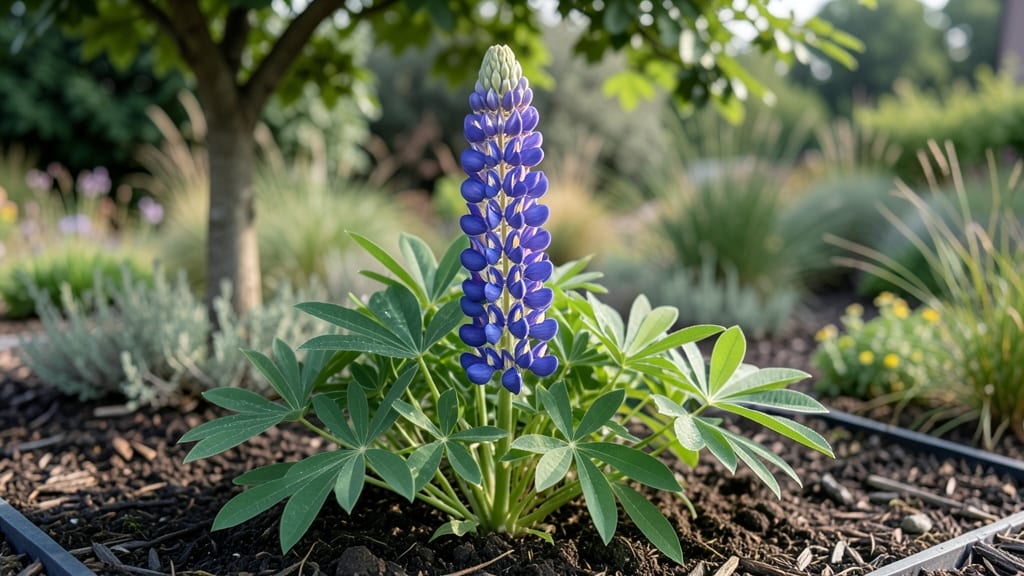
Do lupins like sun or shade—this is the secret to their stunning blooms, as I learned when my first plants wilted under relentless afternoon sun, only to recover beautifully in partial light. when I moved them to dappled shade.
The right balance keeps their foliage lush and stems sturdy, while too much sun can scorch their delicate petals. The ideal spot gets morning sun (for energy) and afternoon shade (to prevent stress), especially in hotter climates.
In cooler zones, they tolerate more sun, but even there, afternoon shade extends their blooming season. Think of them like a sunbather—golden hours are perfect, but midday burns are a no-go.
You’ll notice the difference immediately: plants in partial sun produce taller stems, more blooms, and darker foliage compared to those struggling in harsh conditions. The flowers stay vibrant longer, and the plants resist common issues like flopping or fading.
For best results, pair lupins with taller plants that provide natural shade in the afternoon, like ornamental grasses or small trees. In containers, place them where they get indirect light during peak heat hours. Now, let’s find that perfect spot in your garden!
📚 In This Guide
- What you need
- Instructions
- Tips and common mistakes
- Wrapping up and next steps
What you need
- ● Lupin seeds: Choose Lupinus varieties suited to your climate (e.g., Lupinus polyphyllus for cooler regions or Lupinus texensis for heat tolerance). Buy 10–50 seeds depending on your garden size.
- ● Well-draining potting mix or garden soil: Lupins hate soggy roots! Mix in compost or aged manure (1 part compost to 3 parts soil) for nutrients.
- ● Garden trowel or transplanting tool: For digging holes (aim for 1–2 inches deep and 1–2 feet apart for spacing).
- ● Watering can or hose with a gentle nozzle: Lupins need consistent moisture but dislike waterlogging.
- ○ Mulch (optional but recommended): Use 2–3 inches of organic mulch (e.g., straw or wood chips) to retain moisture and regulate soil temperature.
- ● Sunlight: Lupins thrive in full sun (6+ hours/day) but tolerate partial shade (3–6 hours), especially in hot climates. Test your spot with a sunlight tracker or observe shadows.
- ● Soil pH: Aim for 6.0–7.0 (slightly acidic to neutral). Use a soil test kit if unsure—lupins are sensitive to alkaline soil!
- ● Climate: Lupins prefer cool to moderate temperatures (50–75°F). Avoid planting in extreme heat or frost-prone areas without protection.
- ● 💡 Soil amendment hack: If your soil is heavy clay, mix in perlite or coarse sand (1 part to 4 parts soil) to improve drainage.
- ● 🌱 Seed-starting shortcut: For faster growth, pre-sprout seeds in damp paper towels for 3–5 days before planting.
- ● 🔥 Heat tolerance: In hot areas, provide afternoon shade with a lightweight shade cloth (30–50%) during peak summer.
How to position lupins for thriving growth in partial sunlight
Lupins aren’t fussy about sun—just smart about it. Here’s how to place them for stunning blooms.
Scout Your Garden’s Sunlight Patterns
Lupins thrive in partial sun, meaning 4-6 hours of direct sunlight daily, but they’ll tolerate morning sun with afternoon shade in hotter climates. Observe your garden: mark spots where sunlight hits between 10 AM and 2 PM—this is prime lupin territory. Avoid deep shade or full afternoon sun, which stresses their roots.
I like to plant lupins where they get dappled light—think under deciduous trees or near a building’s east side. They’ll reward you with taller stems and more vibrant blooms than those baked in harsh afternoon rays. If your garden is shady, choose the Lupinus polyphyllus ‘Russell Hybrid’ variety, which handles lower light better than others.
Prepare the Soil for Lupin Success
Lupins need well-draining soil with a slightly alkaline pH (6.5-7.5)—they’re nitrogen-fixers, so they’ll reward you with nutrient-rich soil over time. Mix in 2-3 inches of compost into the top 6 inches of soil before planting. Avoid heavy clay or waterlogged spots; lupins hate soggy roots.
Here’s the thing—lupins are sensitive to phosphorus. If your soil test shows high phosphorus, add a handful of gypsum per planting hole to balance it out. I always test my soil before planting lupins because they won’t thrive if phosphorus levels are too high. A simple DIY test kit works fine, or send a sample to your local extension office for accuracy.
Plant Lupins in the Right Spot
Dig a hole twice as wide as the lupin’s root ball but only as deep as it was in its container. Lupins have deep taproots, so don’t bury them too deep—this can rot the crown. Gently loosen the roots if they’re circling in the pot, then place the plant in the hole and backfill with soil.
Space lupins 18-24 inches apart in rows 2-3 feet apart to give them room to grow. If planting in partial shade, place them on the north or east side of a taller plant or structure to avoid competition for light. Water deeply after planting to settle the soil and encourage root growth. You’ll know it’s right when the soil looks evenly moist but not muddy.
Adjust Light Exposure for Seasonal Changes
Lupins are perennial in zones 4-9, so their light needs shift with the seasons. In spring and fall, they’ll handle more sunlight as temperatures moderate. But in summer, move them to a spot with afternoon shade if your garden bakes above 85°F. Watch for wilting leaves—this is your cue to provide relief.
If you’re growing lupins in containers, place them on a rolling cart or raised bed so you can shift their position as the sun moves. A little flexibility goes a long way—lupins are forgiving but not fanatical. The goal is consistent partial sun, not perfection. You’ll see the best blooms when they’re neither starved for light nor scorched by it.
Monitor and Maintain for Long-Term Health
Check lupins weekly for signs of stress: yellowing leaves mean too much shade or overwatering, while crispy edges signal too much sun or underwatering. Mulch with 2-3 inches of organic matter (like shredded bark or straw) to retain moisture and regulate soil temperature. Keep the mulch 2 inches away from the stems to prevent rot.
Deadhead spent blooms to encourage more flowers, but leave some seed pods if you want lupins to self-seed. In late fall, cut back stems to 6 inches tall and add a light layer of compost around the base. Lupins are tough, but a little seasonal TLC keeps them blooming year after year. You’ll know you’ve got it right when they return stronger every spring.
Tips & tricks for perfect lupin placement in partial sunlight
Here's what nobody tells you about getting lupins to flourish in the perfect balance of light.
Light Balance Secret: When scouting your garden in Step 1, focus on the 10 AM to 2 PM window—this is when sunlight is most intense. Lupins can handle up to 6 hours of this direct light, but if your garden gets hotter than 85°F after noon, afternoon shade becomes essential. I've seen lupins wilt dramatically when left in full afternoon sun, so always test spots for a few hours first. The ideal location will have bright morning sun but protection from the midday heat.
Soil Preparation Insight: The 6.5-7.5 pH range mentioned in Step 2 is crucial because lupins are nitrogen-fixers—they need the right soil chemistry to thrive. If your soil test shows high phosphorus, that handful of gypsum per planting hole is worth it. I once planted lupins in soil with high phosphorus and watched them struggle for months. The gypsum helps balance the minerals so lupins can focus on growing strong roots instead of fighting nutrient imbalances.
Seasonal Adaptation Strategy: In Step 4, the advice about seasonal adjustments is gold. I've learned that lupins in containers need extra attention—place them on a rolling cart so you can rotate them as the sun moves. For in-ground plants, the north or east side of structures works beautifully. The key is consistency: lupins don't like sudden changes in light exposure. If you notice wilting leaves in summer, move them to a shadier spot immediately. This little adjustment can save your lupins from heat stress and keep them blooming all season.
Long-Term Health Maintenance: The weekly check mentioned in Step 5 is non-negotiable. Yellowing leaves? That's your signal to either provide more light or reduce watering. Crispy edges? Time to move them to a shadier spot or increase moisture. I've found that mulching with 2-3 inches of organic matter makes all the difference—it keeps roots cool in summer and warm in winter. And remember, that 2-inch clearance between mulch and stems prevents rot while maintaining proper airflow. It's these small details that make lupins thrive year after year.
Pro Tips for Do Lupins Like Sun Or Shade
- Here's what nobody tells you about getting lupins to flourish in the perfect balance of light.
- Light Balance Secret: When scouting your garden in Step 1, focus on the 10 AM to 2 PM window—this is when sunlight is most intense.
- Soil Preparation Insight: The 6.5-7.5 pH range mentioned in Step 2 is crucial because lupins are nitrogen-fixers—they need the right soil chemistry to thrive.
Frequently asked questions
Got questions about growing lupins in your garden? You’re not alone! Here are some of the most common queries—and their answers—to help you nurture these stunning blooms like a pro.
Can lupins grow in full shade?
Lupins prefer partial sun (4–6 hours of sunlight daily), but they can tolerate light shade—especially in hot climates. However, too much shade (less than 3 hours of sun) may lead to fewer blooms and leggy stems. If your garden is shady, choose a spot with some dappled sunlight for best results.
How do I know if my lupins aren’t getting enough sun?
Watch for these signs: stretched, weak stems (etiolation), small or sparse flowers, and yellowing leaves. If you spot these, relocate your lupins to a sunnier spot gradually—too much sudden sun can shock their leaves. A morning sun + afternoon shade setup often works well!
Are there lupin varieties that thrive in shade?
While most lupins love sunlight, a few varieties handle shade better, like Lupinus polyphyllus ‘Russell Hybrid’ or Lupinus arboreus. These types are more adaptable but still need at least 3 hours of indirect light daily. For deeper shade, consider annual lupins, which are slightly more flexible than perennials.
Can I grow lupins in containers with limited sunlight?
Yes! Lupins can thrive in containers, but choose a large pot (at least 12 inches deep) with well-draining soil. Place them near a south- or west-facing window or under a patio cover to maximize light. Rotate the pot occasionally so all sides get even exposure, and fertilize lightly to compensate for the smaller root space.
What’s the best way to transition lupins from shade to sun?
If your lupins are struggling in shade, move them to a sunnier spot gradually over 1–2 weeks. Start with 1–2 extra hours of sun per day, then increase slowly. Water them well before and after moving to reduce stress. Avoid transplanting during extreme heat—early morning or late afternoon is ideal!
Do lupins need more sun in winter?
Lupins are perennial in mild climates (zones 5–9) and generally need less direct sun in winter when growth slows. However, they still benefit from bright, indirect light to stay healthy. If your winters are harsh, a light mulch layer (2–3 inches) can protect roots while allowing sunlight to filter through.
Wrapping up and next steps
So, do lupins prefer sun or shade? The answer is clear: they thrive in partial sunlight—a balance that keeps them blooming beautifully without stress.
Whether you’re a seasoned gardener or just starting out, giving lupins 4-6 hours of sun paired with afternoon shade will reward you with stunning flowers and lush foliage. 🌸
Ready to give it a try? Start by assessing your garden’s sunlight patterns—then plant, water, and watch your lupins shine! For extra tips, check out our FAQ section or explore companion plants to create the perfect garden haven.