
Landscaping
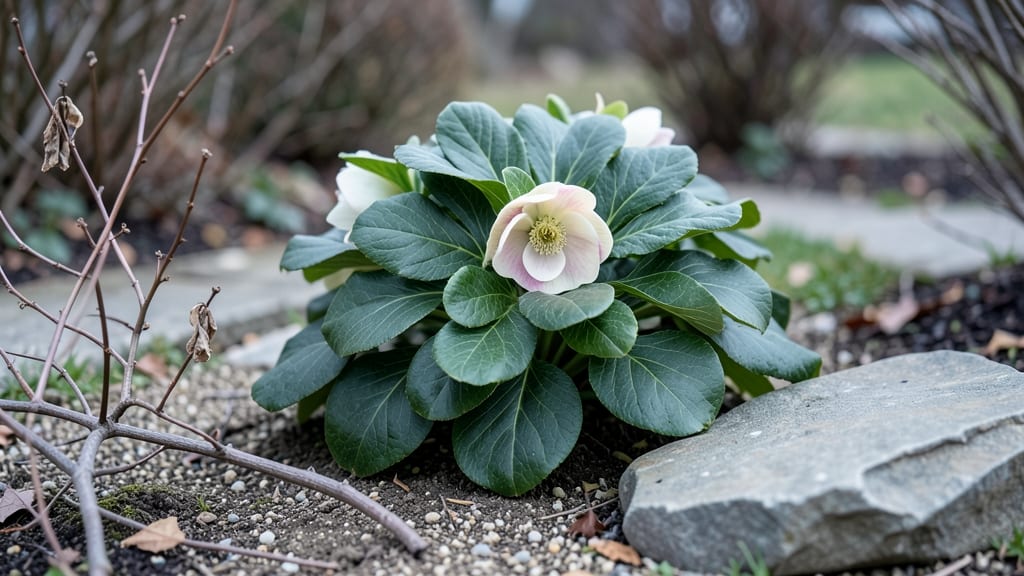
A barren landscape with too much shade doesn’t have to stay empty. 🌿 The right mix of evergreens, ground covers, and smart mulching can transform that forgotten corner into a lush, private retreat that thrives year-round—no matter how little sun reaches it.
Start with tough, drought-resistant plants like hemlock, rhododendrons, or creeping juniper, which handle shade like they’re on vacation. Add a layer of mulch (3-4 inches) to lock in moisture and block weeds, then layer in shade-loving perennials like hostas or ferns for texture.
The key is depth: combine tall evergreens with mid-height shrubs and low ground covers to create that impenetrable, green wall effect. By summer’s end, you’ll have a dense, fragrant barrier that stays green even in winter.
Birds will love the shelter, neighbors will envy the privacy, and you’ll finally have a space that feels like an escape—not a neglected patch of dirt. This works for slopes, flat yards, or even tight urban spots. The secret? Layering plants by height and keeping soil moist without overwatering.
Let’s bring that shade garden to life!
📚 In This Guide
- What you need
- Instructions
- Tips and common mistakes
- Wrapping up and next steps
What you need
- ● Evergreen Trees (5-10+ plants): Fast-growing varieties: Leyland Cypress, Thuja Green Giant, or Emerald Green Arborvitae (3-6 ft tall, 1-2 ft caliper)
- ● Medium-height options: Dwarf Alberta Spruce or Hinoki Cypress (2-4 ft tall, 1-1.5 ft caliper)
- ● Soil Amendments: Compost (1-2 bags, 40 lb each)
- ● Organic mulch (3-5 bags, 2-3 cu ft each)
- ● Slow-release fertilizer (e.g., Osmocote Smart-Release, 10 lb)
- ● Watering Supplies: Drip irrigation kit (or soaker hoses, 50-100 ft)
- ● Hose with adjustable nozzle
- ● Shovel (round-point or spade)
- ● Handsaw or pruning shears
- ● Wheelbarrow (for soil/mulch)
- ● Measuring tape (25 ft)
- ● Gloves (heavy-duty, waterproof)
- ○ Optional: Post-hole digger (if adding support stakes)
- ● String line & stakes (for layout planning)
- ● Soil pH test kit (to check acidity levels)
- ● Sunlight analysis: Identify full sun (6+ hrs/day) vs. partial shade (3-6 hrs/day) areas.
- ● Soil test: Ensure drainage (amend clay soil with sand if needed).
- ● Local climate check: Verify hardiness zones (most evergreens thrive in Zones 5-9).
- ● Pro Tip: 💡 Space trees 6-10 ft apart for optimal growth and airflow.
How to create evergreen privacy in a barren landscape
Transforming a stark, sunbaked space into a lush, year-round privacy screen starts with the right evergreen selections and smart placement.
🌿 Step 1: Assess Your Space and Choose the Right Evergreens
Begin by measuring your space—most mature evergreens need 6-10 feet of width for full coverage. In barren landscapes, I recommend Arborvitae, Leucothoe, or Boxwood for their dense foliage and adaptability. These thrive in partial shade but tolerate full sun once established, making them ideal for sun-exposed areas.
Walk your property at different times of day to note sun patterns. If your site gets less than 4 hours of direct sun, opt for shade-tolerant varieties like Inkberry Holly or Dwarf Rhododendron. These will fill in quickly without scorching. Sketch a rough layout, marking where each plant will go—spreading them 3-5 feet apart ensures they’ll interlock as they mature.
🪴 Step 2: Prepare the Soil for Long-Term Health
Barren landscapes often have poor, rocky, or compacted soil. Amend the planting area with 3-4 inches of compost mixed into the top 12 inches of soil. This improves drainage and nutrient retention—critical for evergreens, which hate soggy roots but also can’t tolerate drought once established.
For sandy or rocky soil, add 1 part peat moss to 2 parts native soil to boost moisture retention. Test your soil’s pH—most evergreens prefer slightly acidic (5.5-6.5). If your soil is alkaline, mix in sulfur or pine fines before planting. Avoid fresh mulch at planting time; instead, apply a 3-inch layer of pine straw or shredded bark after roots establish.
☀️ Step 3: Plant for Immediate Structure and Future Filling
Dig holes twice as wide as the root ball but no deeper—evergreens struggle if planted too low. Gently remove the plant from its container and tease out any circling roots. Place it in the hole so the top of the root ball sits 1 inch above soil level—settling will occur over time, and you don’t want the trunk buried.
Backfill with native soil mixed with 10% compost, tamping lightly to eliminate air pockets. Water deeply until moisture reaches 6 inches down, then mulch with 3 inches of pine straw to conserve water and suppress weeds. Space plants 3-5 feet apart—closer for faster coverage, but wider for airflow if humidity is high.
💧 Step 4: Water Deeply and Establish a Routine
For the first 30 days, water 2-3 times per week until the soil is moist 12 inches deep. Evergreens have shallow roots initially, so consistent moisture is key. After the first month, reduce to once weekly unless your area experiences 10+ days without rain, then resume deeper watering.
Mulch annually in early spring to replenish organic matter. Avoid piling mulch against the trunk—keep it 3 inches away to prevent rot. Fertilize lightly in late spring with a slow-release, acid-loving plant fertilizer (10-10-10 or similar). Over-fertilizing causes rapid growth that weakens winter hardiness.
✂️ Step 5: Prune for Density and Health
Wait 12 months before pruning—you want roots to establish first. After that, prune in late winter or early spring before new growth starts. Remove dead or crossing branches first, then thin out 10-15% of the interior growth to improve airflow and sunlight penetration. This encourages denser foliage lower on the plant.
Shape lightly with clean, sharp shears—evergreens heal slowly, so avoid heavy cuts. If you’re using Arborvitae or Leucothoe, a slight upward taper promotes stronger growth. For Boxwood or Holly, a rounded form works best. Prune no more than 25% of the plant at a time to avoid shock.
Tips & tricks for perfect evergreen privacy screens
These evergreen tips will help you transform your barren landscape into a lush, year-round privacy haven with minimal hassle.
Plant Placement Precision: When sketching your layout in Step 1, consider mature plant sizes—not just current dimensions. For example, a 3-foot-tall Arborvitae will reach 10-12 feet at maturity. Place plants 3-5 feet apart to ensure they interlock beautifully as they grow, but leave extra space if your area has high humidity to prevent fungal issues. I always mark plant locations with stakes and string to visualize the final screen before digging.
Soil Prep Secret: The 3-4 inches of compost mixed into the top 12 inches of soil in Step 2 is non-negotiable for barren landscapes. For extra insurance, add 1/4 cup of mycorrhizal fungi to each planting hole—this beneficial soil fungus helps roots absorb nutrients more efficiently, especially in rocky or compacted soil. Think of it as a natural growth booster for your evergreens.
Watering Wisdom: Those first 30 days of 2-3 weekly waterings in Step 4 are critical for root establishment. Use a moisture meter to verify soil moisture reaches 12 inches deep—evergreens won't thrive if their roots stay shallow. I recommend watering in the early morning to reduce evaporation and fungal risks. After the initial period, let the soil dry slightly between waterings to prevent soggy roots.
Pruning Pro Tip: When pruning in Step 5, focus on creating an "inverted pyramid" shape—thicker at the base, tapering slightly toward the top. This natural form promotes stronger growth and better wind resistance. For Arborvitae, I like to prune just outside the branch collar (the swollen area where branches meet the trunk) to encourage new growth from the right place. Always sterilize your shears with rubbing alcohol between cuts to prevent disease spread.
Pro Tips for Shade In A Barren Landscape
- These evergreen tips will help you transform your barren landscape into a lush, year-round privacy haven with minimal hassle.
- Plant Placement Precision: When sketching your layout in Step 1, consider mature plant sizes—not just current dimensions.
- Soil Prep Secret: The 3-4 inches of compost mixed into the top 12 inches of soil in Step 2 is non-negotiable for barren landscapes.
Frequently asked questions
Got questions about creating shade in a barren landscape? You’re not alone! Here are some of the most common queries—and their answers—to help you plan with confidence.
What are the fastest-growing shade plants for arid climates?
For quick shade, opt for Morus alba (white mulberry) or Parkinsonia aculeata (Mexican palo verde). Both thrive in dry conditions and grow rapidly (up to 5 feet/year). Pair them with drought-tolerant shrubs like Oliveira europaea (olive) for layered density.
How long does it take to see noticeable shade?
Timelines vary: Fast growers like willows or poplars may offer partial shade in 2–3 years, while slower evergreens (e.g., Cupressus arizonica) take 5–7 years for full coverage. Plan ahead—mulch and drip irrigation can accelerate growth by 20–30%.
Can I create shade without irrigation?
Yes! Choose native species like Prosopis glandulosa (honey mesquite) or Cercidium microphyllum (palo verde), which are adapted to minimal water. Combine with groundcover (e.g., Lantana) to reduce evaporation and retain moisture.
Will shade trees survive extreme heat or cold?
Hardiness depends on the species. For heat: Jojoba or Desert Willow (Chilopsis linearis) handle 110°F+. For cold: Russian Olive (Elaeagnus angustifolia) tolerates down to -30°F. Always check USDA hardiness zones and local climate data.
What if my plants die after planting?
Common causes include overwatering, poor soil drainage, or transplant shock. Troubleshoot by:
- Checking soil moisture (stick your finger 2 inches deep—dry? Water; soggy? Wait).
- Ensuring roots aren’t girdled (trim circling roots before planting).
- Using mycorrhizal fungi to boost root health.
Wrapping up and next steps
Transforming a barren landscape into a lush, private retreat is absolutely within reach—without sacrificing year-round beauty or low-maintenance ease. 🌿 The key lies in strategic evergreen choices that thrive in tough conditions while delivering dense, natural shade and timeless privacy.
Whether you’re planting Thuja occidentalis for structure, Ilex for texture, or Juniperus for rugged resilience, your space will become a serene oasis that stays vibrant through every season.
Ready to take the next step? Start small—sketch a simple layout, test soil conditions, or consult a local nursery for region-specific recommendations. Every shade you plant today is a future moment of quiet, comfort, and connection to nature. Your barren landscape’s best days are ahead. 🌳