
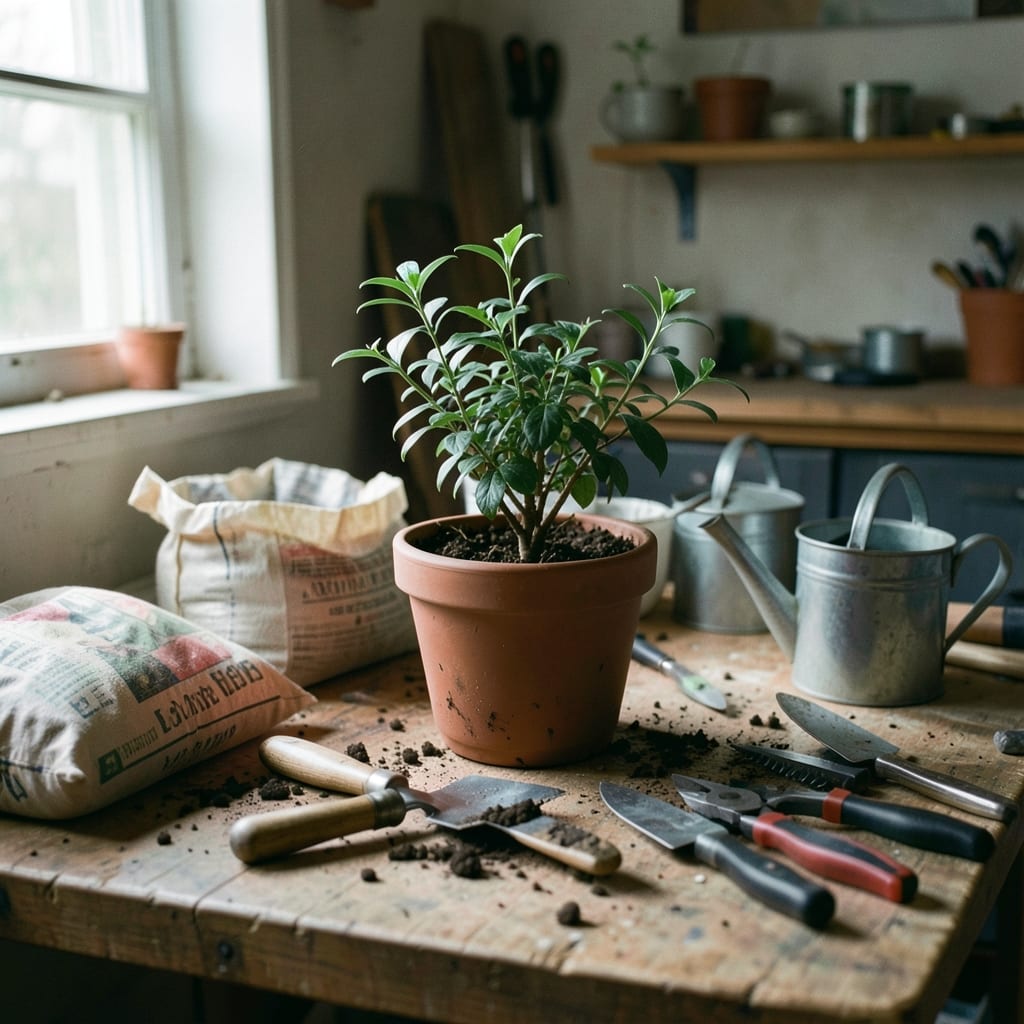
What this work is made with
This page is a list of things, not a story. The work here depends on more than words—it lives in the objects that shape what grows, the hands that tend it, and the wear that tells their truth.
You’ll learn more about *Shade Patch Guide* from five things than from five paragraphs about values.
*Shade Patch Guide* is for people who grow plants—not just the seeds themselves, but the soil they root in, the light they stretch toward, and the lessons they teach when they fail. Every tip, every failure, every hard-won success is held together by the things that do the real work.
The things that do the work
These are the objects that shape what you’ll find here: the tools that shape the soil, the hands that use them, and the wear that tells their truth. They are the things that have shaped this work, not the other way around.
The old trowel
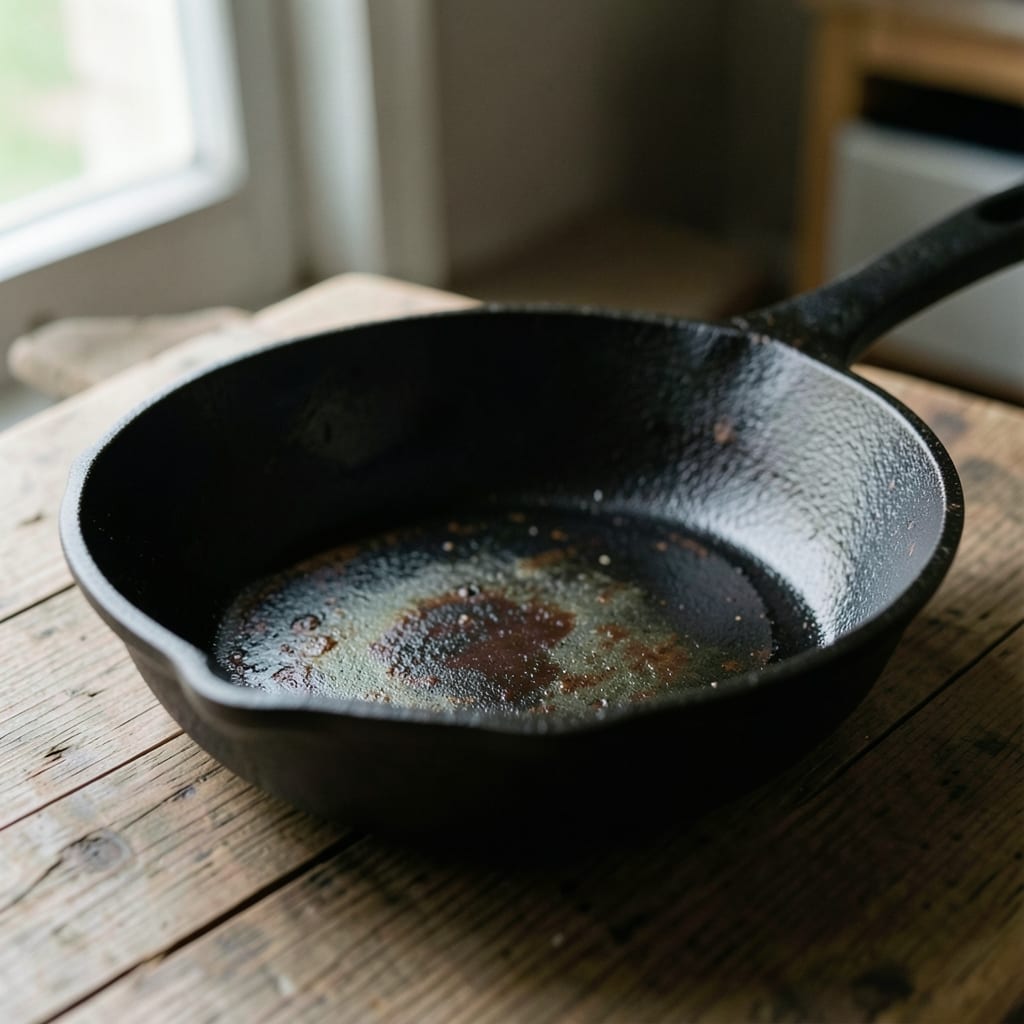
A rusted steel trowel with a broken handle, held together by duct tape. It’s been here since the first raised bed, when the soil was still too hard to break. The blade is nicked from years of prying up stubborn weeds and digging out rocks.
It taught me that the best tools aren’t the shiniest ones—they’re the ones that fit your hands and don’t let go, even when they’re falling apart. *37* times, I’ve tried to replace it, but this one still gets the job done.
The wooden seedling tray
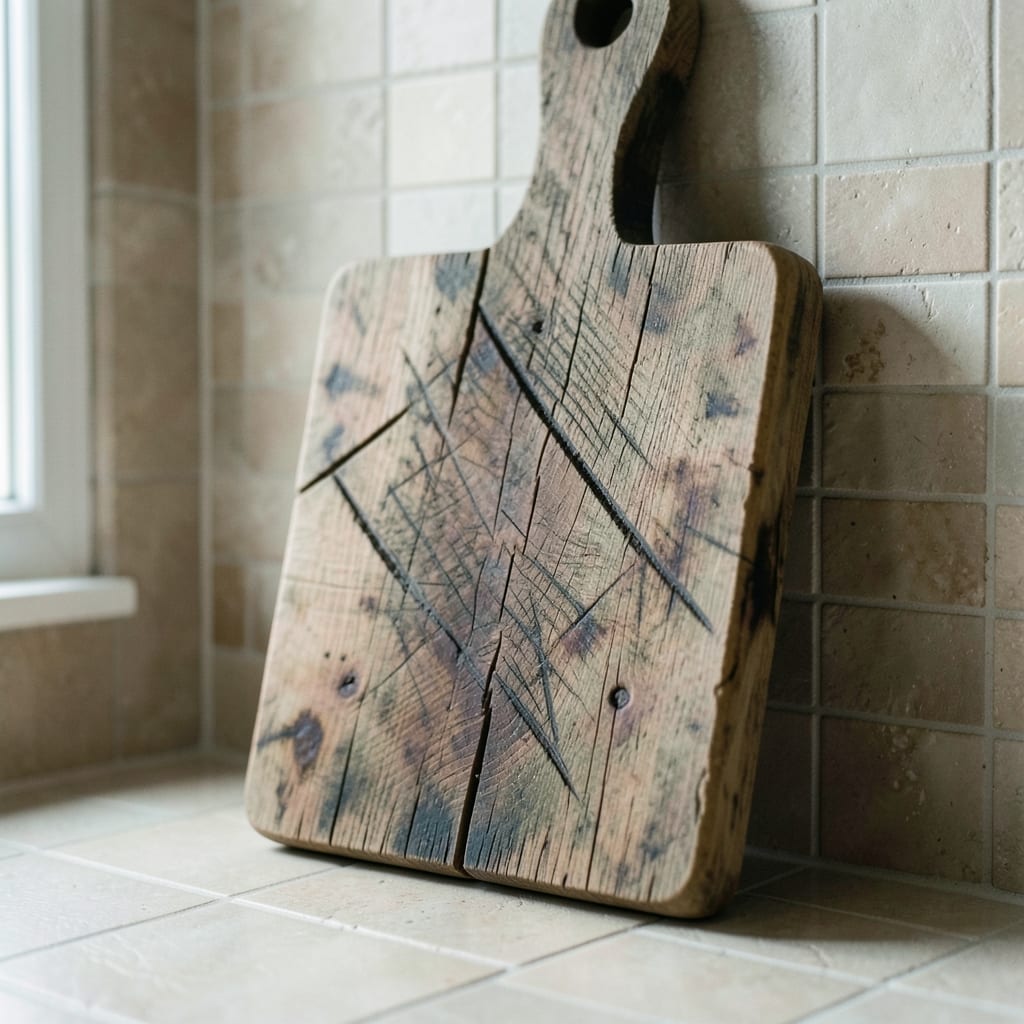
A cheap, unvarnished cedar tray with drainage holes so wide they barely hold the soil. It’s been here since the first batch of basil seedlings, back when I thought I could control the light. The wood is warped from too many washings, and the corners are splintered.
It taught me that some failures are just part of the process—like the time the tray collapsed under the weight of soggy peat moss, sending seedlings tumbling. Now, it’s the first thing I reach for when starting anything new.
The stone marker
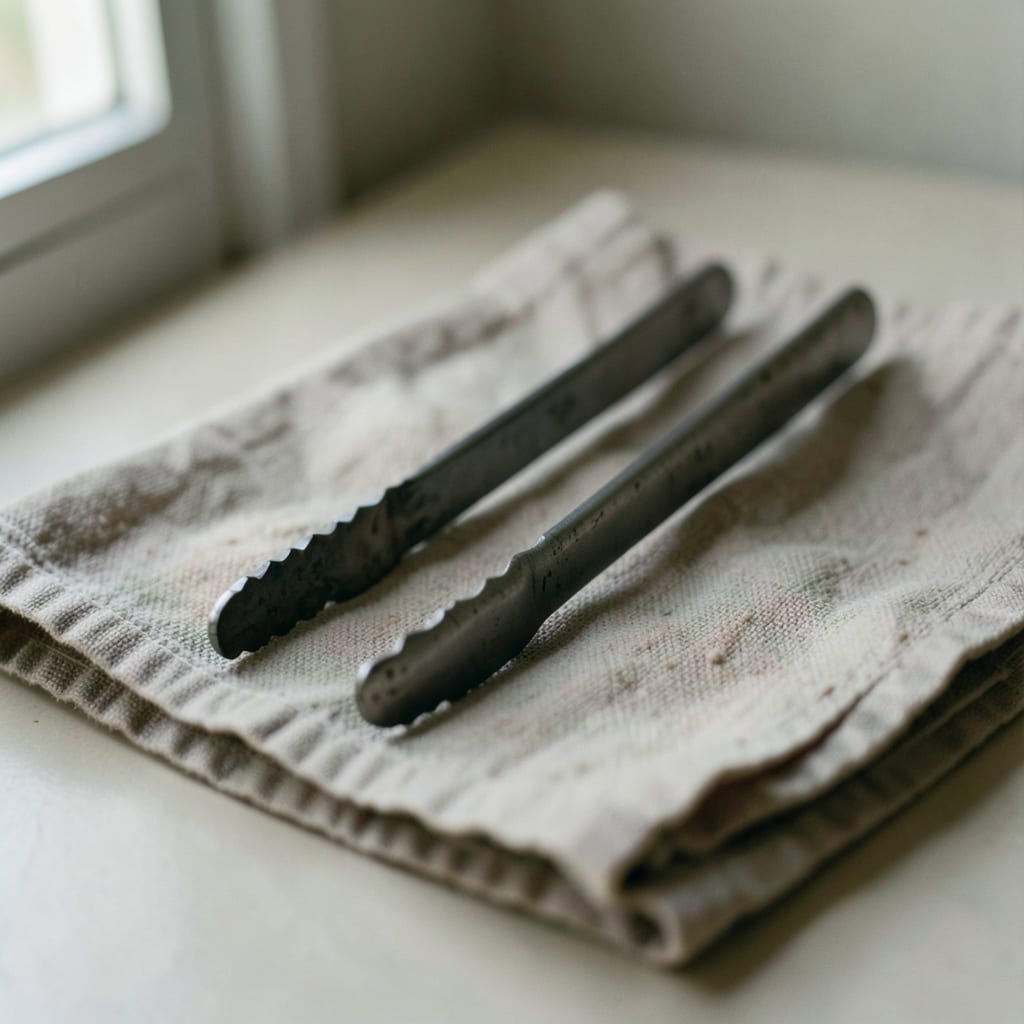
A flat river stone, chipped at the edges, with a single carved line where the name of a long-dead tomato variety used to be. It’s been here since the first garden, when I thought I could remember what went where. The line has worn smooth over the years.
It taught me that some things can’t be written down—the way a plant leans toward the sun, or how the soil remembers what it’s grown before. Now, it sits in the corner of every new bed, a reminder that some knowledge isn’t in the notes.
The burlap sack
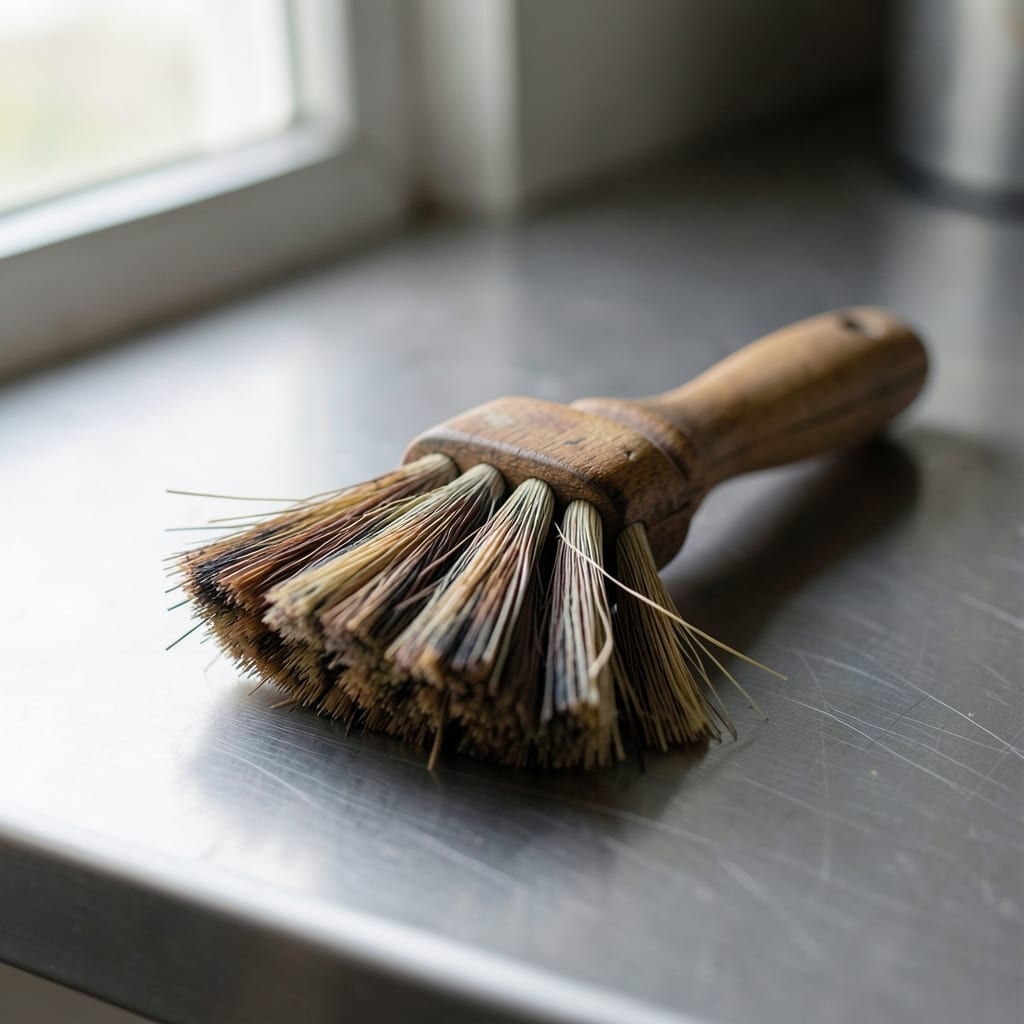
A heavy, coarse sack of undyed burlap, stitched at the seams with twine. It’s been here since the first compost pile, when I thought I could guess how much to turn. The stitching is frayed, and the twine has rotted in places.
It taught me that compost isn’t just about what you put in—it’s about what you *don’t* put in. The sack still holds the last of the shredded leaves from autumn, waiting for the next turn. It’s the only thing that’s never let me down.
What is not in the drawer
This work doesn’t depend on the things you might expect.
Deliberately absent
- No fancy pruners—just a pair of shears from the hardware store, because the best cuts are the ones you don’t think about.
- No branded seed packets—only what’s been saved, swapped, or found in the wild.
- No digital soil meters—just a finger in the dirt, because some things can’t be measured.
- No perfect photos—only what the plants actually look like, warts and all.
Behind the scenes
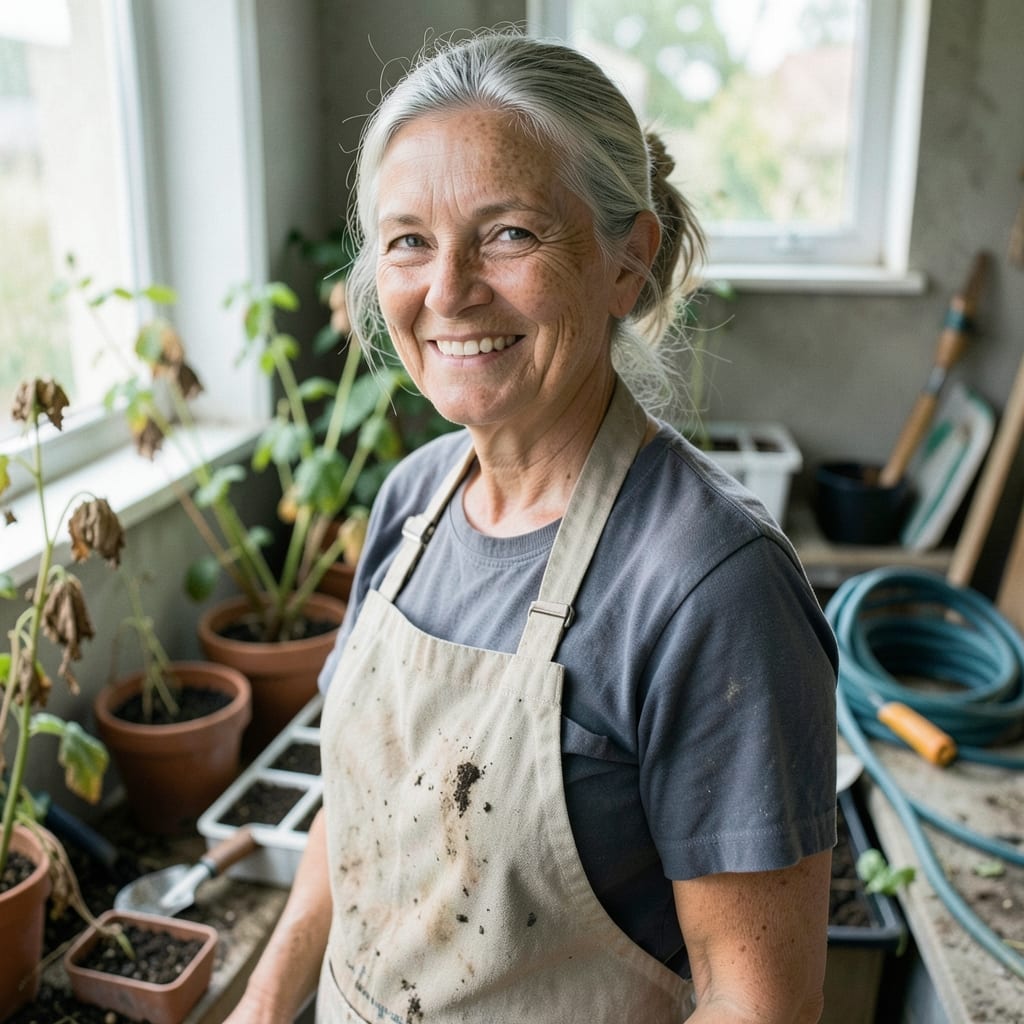
I am Sonia Radcliffe, the person who digs the holes and waters the plants. I still remember the thrill of sneaking seeds from my grandpa’s stash at ten years old, watching them sprout under the porch light.
That same excitement led me to start this site—to share the joy of growing things, whether it’s a single tomato plant or a whole backyard oasis.
I still remember the thrill of sneaking seeds from my grandpa’s stash at ten years old, watching them sprout under the porch light. That same excitement led me to start this site—to share the joy of growing things, whether it’s a single tomato plant or a whole backyard oasis.
Sonia Radcliffe
Behind the scenes
I came to this from a lifetime of gardens—my grandpa’s overgrown rows, my mom’s herb pots on the windowsill, and the one square foot of balcony soil I fought over as a kid.
The last thing he handed me before he died was a jar of saved seeds, and I’ve been passing them along ever since.
Behind the scenes
This work has given me a habit of noticing soil—how it smells after rain, how it sounds when you dig into it, the way it holds heat.
I can’t walk past a garden bed without checking the leaves for pests, and I’ve developed a permanent callus on my thumb from years of gripping pruners too tight.
Behind the scenes
I am here to tell you what actually grows, not what *should* grow. No fluff, no guesswork—just the dirt, the sweat, and the occasional triumph. If you’re here to learn how to make things grow, you’re in the right place.
If you’re here because you’ve already failed once (or twelve times), you’re in the right place too.
Why any of this matters to you
Every object on this page—from the rusted trowel to the burlap sack—has shaped what you’ll read here. They’ve taught me that gardening isn’t about perfection; it’s about paying attention, making mistakes, and learning from them.
The tips you’ll find here aren’t just words; they’re the lessons learned from hands that have been in the dirt.
Every page here is built on the same things: real soil, real plants, and real failures. You won’t find photos of perfect gardens or instructions that assume you’ve done this before. What you *will* find is what actually works—and what doesn’t.
Why any of this matters to you
If you’re here because you’ve ever wondered why your tomatoes split or your basil bolts, you’ve come to the right place. The contact page is where you can ask the questions that don’t fit in the guide—or just tell me about the thing you grew that surprised you.
The guides are grouped by category: Advice, Blooming, Companion Plants, Container Gardens, Diseases and Flowers.