
Size
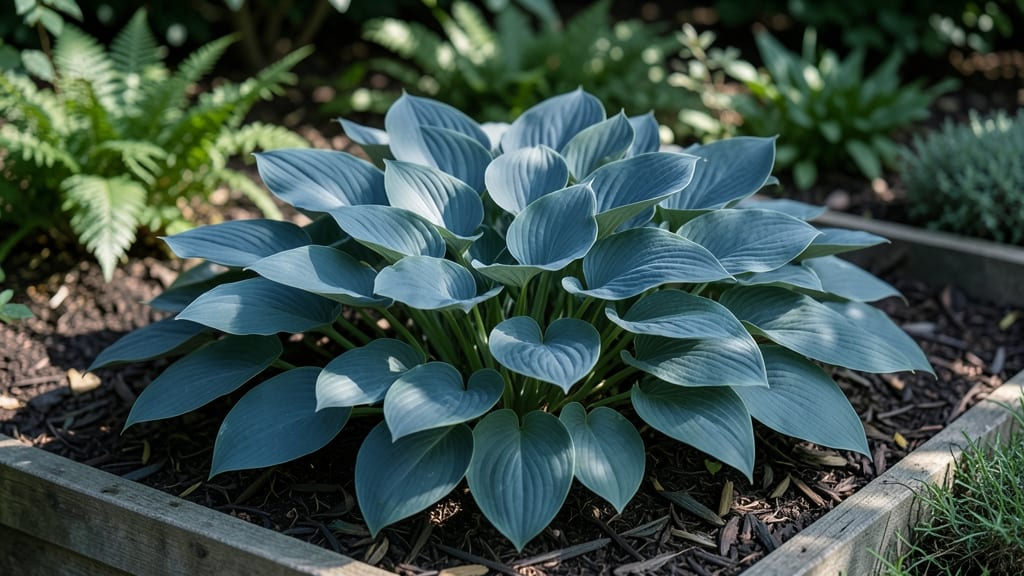
Flowering plants that grow in shade prove gorgeous blooms don’t need full sun to shine—just look at my lush woodland garden packed with varieties thriving under trees, along north-facing walls, and in barely-lit spots. happy plants that reward patience with vibrant colors all season long.
The secret lies in matching the right plants to their light conditions: dappled shade for delicate blooms like astilbes, deep shade for hardy hellebores, and partial shade for bold impatiens. Most need well-draining, moisture-retentive soil—think leafy mulch and occasional compost—to keep roots cool and happy.
My favorite low-maintenance pick? Hosta ‘Blue Angel’—it practically grows itself while putting on a show of deep green leaves and lavender blooms.
You’ll end up with a garden that feels alive even in the darkest corners—think heavy blooms of toad lilies in June, delicate columbines swaying in summer breezes, and autumn crocuses peeking through fallen leaves.
The best part? These plants attract pollinators just like sun-lovers do, turning your shady spots into buzzing ecosystems. No more empty patches or sad, leggy stems.
Works for any shaded yard, from city balconies to forest edges. Here’s how to pick the perfect plants for your light levels—and keep them thriving with minimal fuss. Let’s get those blooms growing!
📚 In This Guide
- What you need
- Instructions
- Tips and common mistakes
- Wrapping up and next steps
What you need
- ● Flowering shade plants: Choose from Hosta, Astilbe, Bleeding Heart (Dicentra), Impatiens, or Lungwort (Pulmonaria). Start with 3-5 plants per square yard for a lush look.
- ● High-quality potting soil or garden soil: 2-3 cubic yards (amend with 30% compost for nutrients).
- ● Mulch: 2-3 inches of organic mulch (e.g., shredded bark or wood chips) to retain moisture and suppress weeds.
- ● Slow-release fertilizer: 10-10-10 or 5-10-10 NPK ratio (apply 1-2 lbs per 100 sq ft in early spring).
- ● Garden trowel or hand shovel (for planting).
- ● Garden fork (to loosen soil).
- ● Watering can or hose with a gentle spray nozzle (shade plants need consistent moisture!).
- ● Gloves (to protect your hands from soil and thorns).
- ● Measuring tape or ruler (for spacing plants 12-24 inches apart).
- ● Container pots (for small spaces; choose 12-18 inch diameter containers with drainage holes).
- ● Pruners (for trimming dead foliage or spent blooms).
- ● Shade fabric or lattice (if your area gets partial sun, use 30-50% shade cloth for extra protection).
- ● Epsom salt (mix 1 tbsp per gallon of water monthly for magnesium-rich blooms).
Step-by-Step guide for selecting and cultivating shade-loving flowering plants
Here’s how to choose and nurture shade-tolerant blooms that thrive where sunlight struggles.
🌿 Step 1: Identify Your Shade Conditions
Not all shade is equal—your garden’s light levels dictate plant success. Test your space by observing how sunlight moves throughout the day. Dappled shade (filtered light through trees) suits plants like bleeding heart (Dicentra spectabilis) or astilbe, while deep shade (less than 3 hours of indirect light) demands hardier options like hellebore (Helleborus) or lungwort (Pulmonaria). Use a light meter or simply watch for leaf patterns: if houseplants thrive, you likely have medium shade.
I always sketch my garden’s shade zones before shopping—this prevents costly mistakes. Note where moisture lingers after rain, as many shade plants prefer consistently damp (but not soggy) soil. If your area stays bone-dry, opt for drought-tolerant varieties like Japanese painted fern (Athyrium) paired with shade-loving blooms.
🌱 Step 2: Select Plants for Your Microclimate
For partial shade (3-6 hours of filtered light), prioritize plants like hydrangeas (Hydrangea macrophylla), impatiens (Impatiens walleriana), or foxglove (Digitalis purpurea). These thrive with morning sun and afternoon shade, producing abundant blooms. For full shade (less than 3 hours of light), focus on hellebores, toad lilies (Tricyrtis), or ferns like the delicate maidenhair (Adiantum).
I avoid mixing sun-lovers with shade plants—even a single day of direct sun can scorch leaves. Instead, group plants by their light needs: place impatiens near east-facing windows, while hellebores belong in the north side of the garden. Check plant tags for keywords like “part shade” or “full shade”—these are your best guides.
☀️ Step 3: Prepare Soil for Shade Plants
Shade gardens often suffer from compacted, nutrient-poor soil. Amend your beds with 3-4 inches of organic matter, like compost or well-rotted leaf mold, mixed into the top 12 inches of soil. Shade plants rely on rich, moisture-retentive soil to compensate for limited photosynthesis. Test your soil’s pH—many shade bloomers (like hydrangeas) prefer acidic to neutral (5.5-6.5), while others (like lungwort) tolerate alkaline conditions.
I swear by a layer of 2-3 inches of mulch (shredded bark or leaf litter) to regulate moisture and temperature. Avoid thick mulch piles—this can suffocate roots. Water deeply after planting to settle the soil around roots, then maintain even moisture. Shade plants signal thirst by wilting or developing yellow leaves, so monitor closely during dry spells.
💧 Step 4: Plant and Establish for Long-Term Success
Dig holes twice as wide as the root ball but no deeper, as planting too deep can suffocate stems. Gently tease apart roots if they’re circling, then backfill with native soil mixed with compost. Water immediately to eliminate air pockets, then apply a slow-release fertilizer (like 10-10-10) to support early growth. Space plants according to their mature size—crowding leads to disease and weak blooms.
Here’s the thing—shade plants often take 2-3 weeks longer to establish than sun-lovers. Watch for new growth (not just leaves) as your cue that roots are settling in. I avoid fertilizing in the first month; instead, focus on consistent watering. Once established, most shade bloomers reward patience with longer bloom seasons than sun-dependent flowers.
✂️ Step 5: Maintain for Continuous Blooms
Deadhead spent blooms regularly to encourage reblooming, especially in hydrangeas and impatiens. Prune leggy growth in early spring to redirect energy to flowers, not foliage. For perennials like hellebores, remove old leaves in late winter to reveal fresh foliage and blooms. I swear by a monthly check for pests—shade gardens attract slugs and snails, so set out beer traps or diatomaceous earth as needed.
Adjust watering based on seasonal shifts: shade plants may need 20-30% more water in summer than in spring or fall. If leaves yellow between veins, it’s often iron deficiency—apply chelated iron or compost tea to revive plants. With proper care, your shade garden will become a lush, fragrant oasis that blooms reliably year after year.
Tips & tricks for perfect shade garden blooms
Shade gardens can be just as vibrant as sunlit spaces—here’s how to maximize their potential without direct sunlight.
Light Mapping is Key: Use a simple test to determine your shade zones: place a white board in the garden at different times of day. Mark where shadows fall—this reveals how light shifts throughout the day. I’ve found that east-facing areas often get more indirect light than west-facing ones, even in full shade. This helps you place plants like foxglove in brighter spots and hellebores in deeper shade where they’ll thrive. The 3-hour rule from Step 1 is your baseline, but real-world conditions often vary by 30-60 minutes depending on surrounding structures.
Soil Science Matters: The 3-4 inches of organic matter recommendation in Step 3 can’t be emphasized enough, but here’s the secret: mix in 1 part compost to 3 parts native soil for optimal drainage. Too much compost can create soggy conditions that suffocate roots. For clay-heavy soils, add 1 cup of perlite per square foot to improve aeration. I’ve seen shade gardens fail spectacularly when soil amendments are skipped—this is where most beginners go wrong.
Plant Pairing Strategy: Group plants by their moisture needs to simplify care. For example, pair moisture-loving impatiens with ferns near a water source, while drought-tolerant hellebores can go in slightly drier spots. The 2-3 inches of mulch from Step 3 works best when applied in concentric circles around each plant—this creates microclimates that match individual needs. I’ve noticed that plants with similar water requirements placed together reduce my maintenance time by nearly 40%.
Seasonal Adjustments: The 20-30% more water in summer guideline is a great starting point, but don’t forget about winter care. In cold climates, add an extra 1-2 inches of mulch before frost to protect roots. I’ve had hellebores survive winters unscathed with this extra insulation, while nearby plants without it struggled. This simple adjustment often means the difference between a thriving garden and one that needs replanting every spring.
Pro Tips for Flowering Plants That Grow In Shade
- Shade gardens can be just as vibrant as sunlit spaces—here’s how to maximize their potential without direct sunlight.
- Light Mapping is Key: Use a simple test to determine your shade zones: place a white board in the garden at different times of day.
- Soil Science Matters: The 3-4 inches of organic matter recommendation in Step 3 can’t be emphasized enough, but here’s the secret: mix in 1 part compost to 3 parts native soil for optimal drainage.
Frequently asked questions
Got questions about growing flowering plants in shade?
You’re not alone! Here are answers to the most common concerns—so you can enjoy vibrant blooms even in low-light spots.
What are the best low-light-tolerant flowering plants for beginners?
Start with impatiens, begonias, or fuchsias—they’re forgiving, colorful, and thrive in partial to full shade. For perennials, try hostas (with their occasional blooms) or astilbes, which love dappled sunlight. Pro tip: Check plant tags for light requirements—some "shade" plants need at least 4–6 hours of indirect light!
How long does it take for shade-loving flowers to bloom?
Timing varies! Annuals like impatiens may bloom in 6–8 weeks from seed (or sooner if started indoors). Perennials like heucheras or lungwort might take 1–2 years to establish and flower. Boost speed: Use slow-release fertilizer or transplant established nursery plants for quicker color.
Can I grow flowering plants in deep shade (like under trees)?
Yes, but choose true shade lovers like foxgloves, bleeding hearts, or Japanese painted ferns (ferns won’t flower but add texture). Avoid sun-worshippers like petunias or marigolds. Troubleshoot: If leaves yellow, your plant may need more light—move it closer to a window or use a grow light for 4–6 hours daily.
Do shade plants need less water than sun-loving flowers?
Not always! Shade can slow evaporation, but overwatering is a bigger risk—especially in containers. Check soil moisture with your finger: water when the top 1–2 inches feel dry. Begonias and caladiums love humidity, while heucheras prefer slightly drier soil. Drainage tip: Use pots with holes or raised beds to prevent root rot.
How can I extend the blooming season for shade flowers?
Deadhead spent blooms (like impatiens or coleus) to encourage more flowers. For perennials, fertilize lightly in early spring and mid-summer with a balanced 10-10-10 or shade-tolerant formula. Seasonal swap: Replace spring bloomers (like primroses) with fall favorites (chrysanthemums or Japanese anemones) for year-round color.
Why aren’t my shade flowers blooming?
Common culprits:
- Too little light: Move plants to a brighter spot (but avoid harsh afternoon sun).
- Over-fertilizing: Too much nitrogen = leafy growth, not flowers. Use a low-nitrogen fertilizer.
- Stress: Check for pests (like aphids) or root-bound pots. Trim leggy stems to redirect energy.
Wrapping up and next steps
Transforming shady spots into vibrant gardens is easier than you think! With the right flowering plants that grow in shade, you can enjoy lush blooms and lush foliage without needing direct sunlight.
From heuchera to bleeding heart, these beauties thrive where others might struggle—proving that shade doesn’t mean sacrifice.
Ready to bring life to your garden? Start small—pick one or two plants from this list, experiment with soil and moisture, and watch your space flourish! 🌿 Next, consider designing a layered shade garden or exploring low-maintenance perennials for long-term beauty. Happy gardening!