
Light Requirements
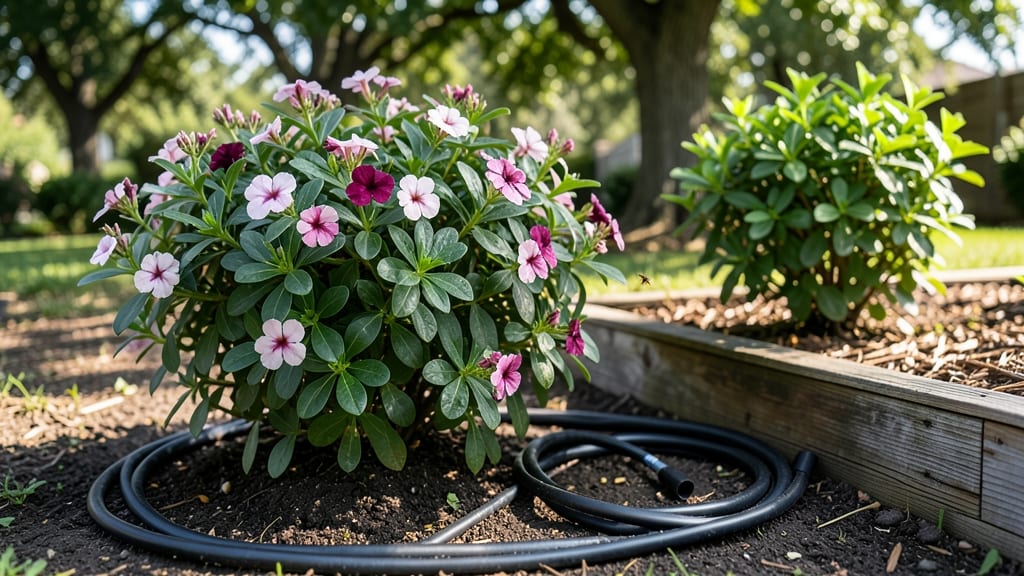
Vinca thrives in full sun or shade with the right care, but most gardeners miss the key to keeping it lush year-round.
Picture this: your vinca 🌸 is wilting at the edges, despite your best efforts. You’ve watered it, fed it, even pruned it—but nothing seems to work. The issue isn’t your green thumb; it’s the light.
Vinca is famously adaptable, but it has hidden rules about how much sun or shade it can really handle before stress sets in.
Too much direct sun? The leaves scorch. Too little? The growth slows to a crawl. The good news? With a few simple adjustments—like soil prep, pruning timing, and smart companion plants—you can turn your vinca into a hardy, evergreen star in any light spot. Here’s how to crack the code.
Below, I’ll walk you through the science of vinca’s light tolerance, how to spot stress signals early, and the proven tricks to revive struggling plants—whether they’re baked in the sun or starved for light.

How vinca plants adapt to full sun vs shade light conditions
Vinca plants, also called periwinkle, are famously adaptable—but their leaf color and growth patterns reveal how they handle light. In full sun, their leaves develop deeper green hues, while in shade, they turn lighter and grow more sprawling.
This flexibility makes vinca a favorite for low-maintenance gardens, but understanding their light signals is key to keeping them thriving.
The Myrtle vinca (Vinca minor) thrives in partial shade, while Major vinca (Vinca major) tolerates full sun better. Both varieties show stress signals like yellowing leaves or wilting when pushed beyond their ideal light range.
Let’s break down how vinca adapts—and how to spot when it’s struggling.
🌱 Comparison Table: Vinca in Full Sun vs Shade
| Factor | Full Sun (6+ Hours) | Partial Shade (3-6 Hours) | Deep Shade (<3 Hours) |
|---|---|---|---|
| Leaf Color | Deep green | Medium green | Pale green/yellow |
| Growth Pattern | Compact, bushy | Moderate spread | Leggy, sparse |
| Flower Production | Abundant blooms | Moderate blooms | Fewer blooms |
| Water Needs | Moderate (dries faster) | Consistent moisture | Higher (soil stays damp) |
| Stress Signals | Brown leaf edges | Yellowing leaves | Wilting, sparse growth |
| Best Variety | Major vinca | Both varieties | Myrtle vinca |
In full sun, vinca’s leaves develop thicker cuticles to reduce water loss, which is why they stay darker green. This adaptation helps them thrive in hot, dry climates, but over-exposure can cause leaf scorch—noticeable as crispy brown edges.
If you spot this, your vinca needs afternoon shade or more frequent watering.
Under partial shade, vinca grows more sprawling stems and produces fewer flowers than in full sun. This is normal, but if leaves turn yellowish-green, it’s a sign of light deprivation. Try relocating your vinca to a sunnier spot or supplement with a grow light if indoors.
Deep shade is the biggest challenge for vinca, causing leggy growth and pale leaves. Without enough light, vinca struggles to photosynthesize, leading to weak stems and fewer blooms.
If your vinca looks like it’s reaching for light, prune back the longest stems and move it to a brighter location.
For Major vinca, aim for 6+ hours of sun to encourage vibrant blooms. In contrast, Myrtle vinca prefers 3-6 hours of light and can even tolerate dappled shade under trees. Both varieties will <
Proven tips to revive struggling vinca in problematic light spots
If your vinca plants are looking leggy, sparse, or scorched, they’re likely battling light stress. Too much sun causes leaf burn, while too little shade makes them stretch for light.
The good news? With the right adjustments, you can bring them back to their vibrant, bushy selves. Start by assessing their current light exposure and making targeted changes.
For vinca in full sun spots, the key is watering consistency and mulching. When temperatures soar, vinca can wilt or crisp at the edges. In shady spots, the challenge is encouraging compact growth—these plants need at least 4 hours of indirect light to thrive.
Let’s tackle each scenario with actionable fixes.
⚠️ Light Stress Warning Signs
Your vinca is sending distress signals if you see:
- 🔥 Sunburnt leaves (brown, crispy edges)
- 🌱 Pale, stretched stems (shade-induced "leggy" growth)
- 💧 Wilting despite watering (root stress from poor drainage)
Act fast—these issues worsen quickly in extreme light conditions.
First, prune back leggy growth by one-third to encourage bushier, denser foliage. Use clean, sharp shears and cut just above a leaf node. This redirects energy to healthier growth and prevents the plant from wasting resources on weak stems.
For sun-stressed vinca, trim damaged leaves immediately to prevent pest infestations.
Next, focus on soil amendments. Vinca thrives in well-draining, slightly acidic soil (pH 5.5–7.0). If your soil is clay-heavy or compacted, mix in 2–3 inches of compost or peat moss to improve aeration.
For sandy soil, add organic matter like leaf mold to retain moisture. Test your soil’s pH with a simple kit—adjust with sulfur or lime if needed.
Seasonal care is critical. In summer’s peak heat, vinca in full sun needs deep watering 2–3 times per week. Water at the base of the plant in the early morning to reduce evaporation.
For shady spots, reduce watering to once weekly—overwatering in low light leads to root rot. In fall and spring, apply a balanced fertilizer (10-10-10) every 4–6 weeks to support recovery.
Finally, consider relocating struggling vinca if light conditions are unchangeable. Move sun-scorched plants to partial shade (morning sun + afternoon shade) or shady plants to a sunnier spot gradually—acclimate them over 2 weeks to avoid shock.
If relocating isn’t an option, use shade cloth (30–50% coverage) in full sun or reflective mulch in shady areas to boost light exposure.
With these adjustments, your vinca will bounce back in 4–6 weeks. Monitor progress and tweak care as needed—your hardy ground cover will thank you with vibrant blooms and lush foliage all season long. 🌿