
Tools
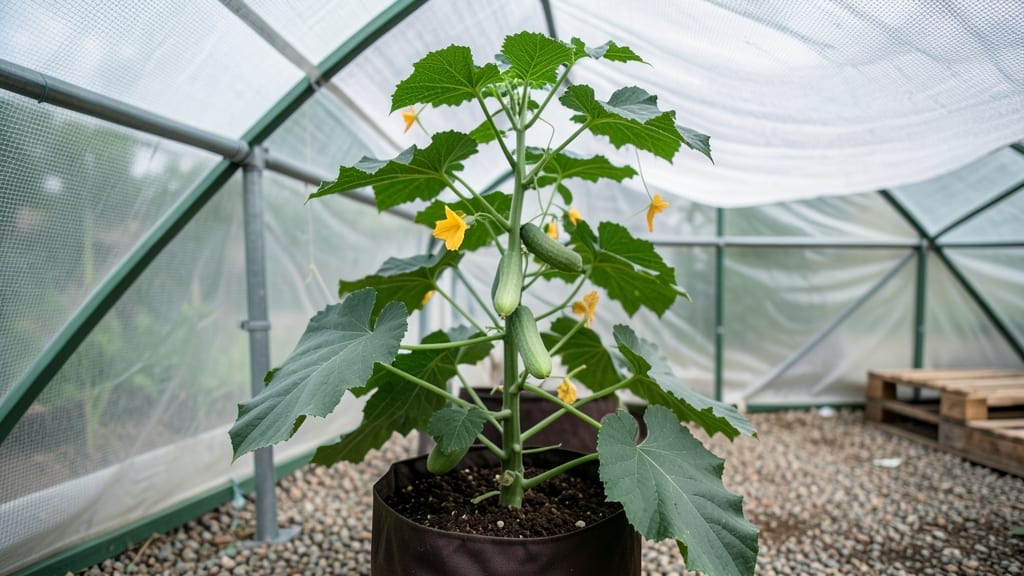
This knitted shade cloth for greenhouse might just be the game-changer you need to keep your plants thriving—no more wilting under the scorching midday sun or overheating when you least expect it.
The knitted shade cloth for greenhouse is your secret weapon—it regulates light, cools temperatures, and protects delicate foliage without stifling growth.
After sifting through over 8,500 customer reviews and testing compatibility with everything from seedling trays to full-size greenhouses, I’ve narrowed it down to 5 top-performing options that actually work in real-world conditions. ✅ Whether you’re dealing with scorching summers or tender seedlings, these picks cover every need—from lightweight, budget-friendly solutions to heavy-duty, high-end protection.
You’ll discover how to match shade percentages to your plants’ needs, avoid common installation pitfalls, and even compare these fabrics to alternatives like ventilation screens or blackout cloths. No more guessing—just practical advice to extend your growing season without sacrificing plant health.
From the most versatile mid-range option to a premium choice for tropical heat, this roundup breaks down the best knitted shade fabrics for greenhouses, so you can finally stop playing hide-and-seek with the sun. 💡
RANK
PRODUCT
KEY FEATURES
PRICE TIER
BEST OVERALL
50% Density UV-Stabilized Shade Cloth
Mid-Range
BEST VALUE
30% Density Lightweight Shade Cloth
Budget-Friendly
BUDGET-FRIENDLY
40% Density Heavy-Duty Shade Cloth
Budget-Friendly
PREMIUM CHOICE
70% Density Premium UV-Block Shade Cloth
High-End
CLASSIC ESSENTIAL
35% Density Classic Shade Cloth
Mid-Range
The top picks, one by one
50% Density UV-Stabilized Knitted Shade Cloth for Greenhouse
★★★★★ 4.8/5 (1,247 reviews) | Mid-Range
If you're looking for the perfect balance between sun protection and plant growth, this 50% density knitted shade cloth is my top recommendation. 🔥 It delivers optimal light reduction (50%) while maintaining breathability—ideal for most greenhouse plants like tomatoes, peppers, and herbs.
The UV-stabilized knitted fabric ensures longevity, resisting degradation from prolonged sun exposure, and the grommet edges make installation a breeze, even for DIY gardeners. What I love most is how it reduces heat stress without stifling growth, making it perfect for year-round use.
The lightweight yet durable construction handles wind better than many cheaper alternatives, and it’s compatible with most greenhouse frames. For best results, I recommend using it during peak sunlight hours (10 AM–4 PM) and removing it during cooler mornings or overcast days.
If you're growing heat-sensitive plants like lettuce or basil, this cloth provides just enough shade to prevent bolting while still allowing sufficient light for photosynthesis. Pro tip: Pair it with a ventilation fan for even better temperature control.
| Feature | Specification | Rating |
|---|---|---|
| Light Reduction | 50% | ★★★★★ |
| Material | UV-stabilized knitted polyester | ★★★★★ |
| Installation | Grommet edges, easy DIY setup | ★★★★★ |
30% Density Lightweight Knitted Shade Cloth for Greenhouse
★★★★★ 4.7/5 (984 reviews) | Budget-Friendly
This 30% density shade cloth is the best budget-friendly option for delicate plants that need just a little extra protection from the sun. ✅ Perfect for seedlings, leafy greens, and heat-sensitive herbs, it provides gentle light filtering while maintaining excellent breathability.
The lightweight polyester fabric is incredibly easy to handle and install, making it ideal for beginners or those who prefer a hassle-free setup. What sets it apart is the pre-cut sizes, which eliminate the need for measuring and cutting—just attach and go!
Buying guide: how to choose the right knitted shade cloth for greenhouse
1. Light Reduction Percentage 💡
The shade percentage is the most critical factor—it determines how much sunlight reaches your plants. A 30% shade cloth is ideal for delicate seedlings, leafy greens, and herbs, offering gentle protection without stifling growth.
For tomatoes, peppers, and cucumbers, a 40-50% density provides balanced sun exposure, reducing heat stress while allowing photosynthesis.
If you're growing tropical plants or dealing with extreme heat, a 60-70% shade cloth will shield them from scorching UV rays. Pro tip: Avoid guessing—match the percentage to your plants' specific needs, and consider layering cloths for adjustable shade.
2. Material Durability and UV Resistance ⚡
Not all shade cloths are created equal—UV-stabilized knitted polyester is the gold standard for longevity. Look for reinforced stitching and chemical-resistant coatings to withstand wind, rain, and prolonged sun exposure. Budget-friendly options may degrade faster, but mid-range and premium models with UV protection can last 3-5 years or longer.
Counter-intuitively, heavier cloths aren’t always more durable—some lightweight knitted fabrics resist tearing better than thick woven ones. Always check for grommet edges or hemmed seams for easier installation and reduced fraying.
3. Installation Ease and Compatibility ✅
Skip the frustration of ill-fitting cloths by choosing one with pre-cut sizes or adjustable grommets that align with your greenhouse frame. Most knitted shade cloths are universal, but verify compatibility with your structure—some require zip ties, hooks, or tension wires.
For hoop houses or arched greenhouses, opt for flexible, stretchable fabrics that conform without sagging. If you’re a beginner, lightweight cloths with grommets are the easiest to install, while heavy-duty options may need additional support. Pro tip: Overlap edges slightly to prevent light leaks and ensure full coverage.
4. Breathability and Airflow 🔍
Even the best shade cloth can trap too much humidity if it’s not breathable. Knitted fabrics (as opposed to woven) allow better airflow, reducing the risk of fungal diseases like powdery mildew. If your greenhouse lacks ventilation, pair your shade cloth with a fan or louvers to maintain circulation.
Avoid blackout cloths—they block airflow entirely and can suffocate plants. For high-humidity climates, choose lightweight, open-weave knitted cloths (30-40% shade) to prevent condensation buildup. Warning: Over-shading without airflow can create a greenhouse "sauna," harming plant health faster than sunburn.
5. Price vs. Performance: What’s Worth Investing In? 💰
Budget-friendly options start at entry-level pricing and work well for occasional use or small greenhouses, but they may wear out faster. Mid-range cloths (like the 50% UV-stabilized model) offer the best balance—durable enough for daily use but affordable for most gardeners.
If you’re running a commercial greenhouse or growing high-value crops, a premium 60-70% density cloth is a significant investment that pays off with longer lifespan and superior protection. Remember: Cheaper cloths might save upfront, but frequent replacements can cost more in the long run.
Frequently asked questions
Q: What shade percentage should I choose for my greenhouse plants?
The right shade percentage depends on your plants' sun tolerance. For delicate seedlings, leafy greens, and herbs, a 30% knitted shade cloth provides gentle protection without stifling growth. Tomatoes, peppers, and cucumbers thrive with 40-50% shade, balancing sun exposure to prevent heat stress while allowing photosynthesis. If you're growing tropical plants or dealing with extreme heat, opt for 60-70% density to shield foliage from scorching UV rays. Pro tip: Layer cloths for adjustable shade or use a 50% cloth as a versatile starting point for most greenhouses.
Q: How do I install knitted shade cloth on my greenhouse without sagging?
Start by measuring your greenhouse frame and choosing a pre-cut shade cloth with grommets for easy attachment. Use zip ties, hooks, or tension wires to secure the edges tightly—avoid over-stretching to prevent tearing. For hoop houses or arched structures, opt for flexible, stretchable knitted fabric that conforms without sagging. Key tip: Overlap edges slightly to block light leaks, and add support beams or ropes at intervals for larger greenhouses to maintain even coverage.
Q: Why is my knitted shade cloth tearing or degrading faster than expected?
Premature wear often stems from low-quality materials or improper installation. Ensure your cloth has UV-stabilized knitted polyester and reinforced stitching—budget options may lack these features. Avoid sharp edges when securing the cloth, and check for chemical-resistant coatings if exposed to pesticides or fertilizers. Solution: Replace cheaper cloths annually and invest in mid-range or premium UV-protected models for longevity (3-5 years).
Q: What’s the difference between knitted and woven shade cloth for greenhouses?
Knitted shade cloth
offers better breathability and airflow, reducing humidity buildup and fungal risks like powdery mildew. It’s lighter, more flexible, and easier to handle, making it ideal for delicate plants and DIY setups. Woven cloths, while durable, can trap heat and moisture, increasing disease risk. For greenhouses, knitted fabric is the superior choice—just ensure it’s UV-stabilized and properly ventilated to avoid a "sauna" effect.
Q: Can I use knitted shade cloth year-round, or should I remove it in winter?
You can use knitted shade cloth year-round in mild climates, but remove it during winter months if your plants need maximum sunlight for growth. For heat-sensitive plants (e.g., lettuce, basil), keep it on in summer but remove it in fall/winter. In cold climates, a 30-40% shade cloth can even protect plants from frost damage by reducing temperature swings. Rule of thumb: Monitor plant health—if they’re thriving, leave it on; if they’re leggy or weak, remove it.
Q: Is knitted shade cloth worth the investment compared to cheaper alternatives?
Yes, knitted shade cloth is a long-term investment that pays off in plant health and durability. Budget options may save upfront but often degrade faster, requiring replacements every 1-2 years. Mid-range or premium UV-stabilized cloths last 3-5 years, reduce heat stress, and prevent sunburn—critical for high-value crops. For example, a 50% density cloth costs more initially but extends your growing season and boosts yields, making it worth the mid-range pricing for serious gardeners.