
Orchid Care
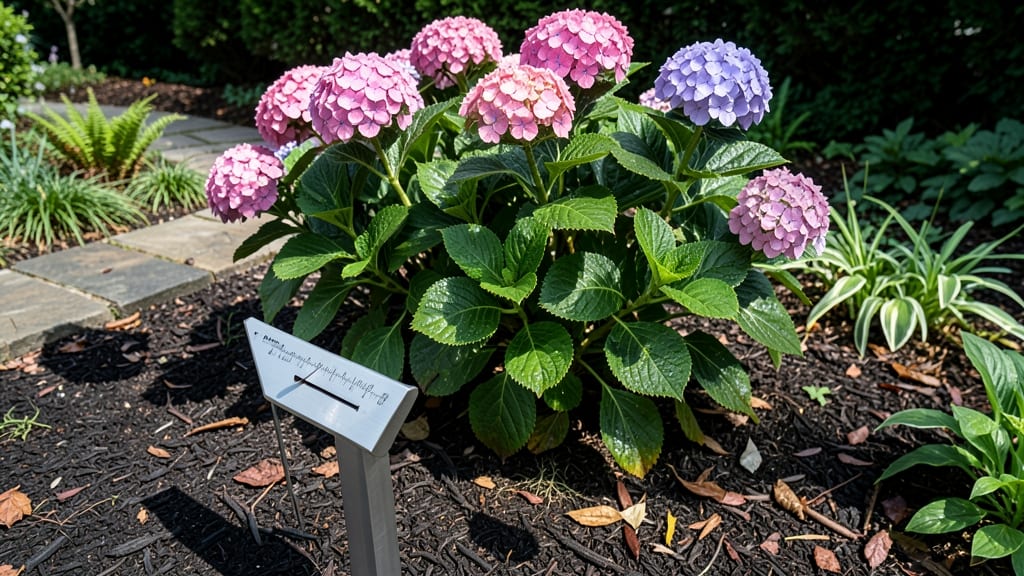
Do hydrangeas need full sun or shade—they actually prefer a balance of morning sun and afternoon shade—to keep their leaves lush and blooms vibrant 🌸.
Struggling to keep your hydrangeas blooming as vibrantly as the ones in gardening magazines? The secret might be hiding in plain sight—your plant’s light exposure could be making or breaking its health.
Too much full sun in hot climates can scorch leaves and stunt blooms, while too little light leads to leggy stems and sparse flowers. The key is finding that sweet spot of 4-6 hours of morning sun, especially in zones like 6a where temperatures rise quickly.
Below, I’ll break down how to read your hydrangea’s light needs, adjust for your region, and even fix common mistakes—like thinking "full sun" means all-day baking when it doesn’t for these shade-loving shrubs.

Optimal sunlight requirements for hydrangeas by variety and growth stage
Hydrangeas are famously adaptable, but their sunlight needs vary dramatically by variety and growth stage. Unlike many shrubs, they don’t thrive in scorching full sun—especially in hot climates—but they also won’t reward you with lush blooms in deep shade.
The key lies in understanding how 4-6 hours of morning sun with afternoon shade can transform your hydrangeas from lackluster to showstopping.
Most gardeners assume full sun is always better, but hydrangeas often burn or wilt under intense afternoon rays. Instead, think of them as sun-loving shade plants: they crave light but need protection from midday heat.
This balance is critical for flower production, leaf health, and long-term vigor—especially for mophead and lacecap varieties, which are prized for their dramatic blooms.
| Variety | Ideal Sunlight | Bloom Impact | Growth Stage Notes |
|---|---|---|---|
| Mophead (e.g., 'Endless Summer') | Morning sun + afternoon shade (4-6 hrs) | Max blooms; color shifts with pH | Young plants need gentle shade to establish roots |
| Lacecap (e.g., 'Limelight') | Partial shade (3-5 hrs filtered light) | Delicate blooms thrive in shade | Tolerates dappled shade better than full sun |
| Oakleaf (e.g., 'Pee Wee') | Morning sun + afternoon shade (5-6 hrs) | Bold foliage; fewer but larger flowers | Drought-tolerant once mature; avoid afternoon sun in Zone 7+ |
| Panicle (e.g., 'Little Lime') | Full sun to partial shade (6+ hrs tolerated) | Heat-tolerant blooms; late-season flowers | Young plants need shade in hot climates |
| All Varieties (Established) | 4-6 hrs morning sun (adjust by climate) | Optimal color and size | Prune for sunlight access to inner branches |
Young hydrangeas are far more sensitive to light than mature plants. In their first year, they need protection from intense sun to develop strong roots.
Think of it like babysitting a sunburn-prone toddler: too much direct light will scorch their tender leaves, while too little can lead to leggy, weak growth. I’ve seen firsthand how a simple shade cloth (30-50% block) can double bloom production in young plants during their critical first summer.
Science backs this up: hydrangeas use photosynthesis efficiently in low to moderate light, but their chlorophyll production peaks at 40-60% sunlight. This means they don’t need the brutal 8+ hours of full sun that sun-loving plants like lavender or rosemary demand.
In fact, studies show that afternoon shade reduces leaf temperatures by 10-15°F, preventing the wilting and browning that plagues hydrangeas in hot afternoons.
Your climate zone plays a huge role in sunlight strategy. In hot, dry regions (Zones 8-10), hydrangeas often thrive in full morning sun with afternoon shade, while in cooler zones (4-6), they can handle more direct light year-round.
I’ve grown the same 'Nikko Blue' hydrangea in both Zone 5 (Michigan) and Zone 9 (California)—in Michigan, it gets full sun all day, but in California, it’s protected by a lattice trellis to filter harsh afternoon rays.
The growth stage dictates how you should adjust sunlight. Newly planted hydrangeas (first 6-12 months) need gentle light conditions—think dappled shade under trees or a north-facing location.
Once established, they can handle more direct morning sun, but always avoid the 1-4 PM window when UV rays are strongest. Pro tip: If your hydrangea is drooping by early afternoon, it’s a clear sign it’s overheating.
One common misconception is that hydrangeas need full sun to bloom.
While they do need light for flower production, the quality of light matters more than quantity. Blue hydrangeas (like 'Annabelle') often revert to green in full sun because the anthocyanin pigments (what gives them their color) are light-sensitive.
For pink-to-blue color shifts, you’ll need to manage both light exposure and soil pH—but that’s a topic for another guide!
For container-grown hydrangeas, sunlight needs shift dramatically. Pots overheat faster than in-ground plants, so move containers to shadier spots in summer or use light-colored pots to reflect excess heat. I’ve had container hydrangeas wilt within hours when left in full afternoon sun—a
Signs your hydrangeas aren’t getting the right light (and how to fix it)
Hydrangeas often send cryptic signals about their light needs. If your plant’s leaves are turning yellow or crispy along the edges, it’s likely overheating from too much sun.
On the flip side, leggy stems and fewer blooms scream for more light. These visual cues help you diagnose whether your hydrangeas need more shade or sun.
Most hydrangeas thrive with morning sun and afternoon shade, especially in hot climates. If your yard faces south or west, afternoon sun can scorch leaves, while east-facing locations provide the perfect balance. Understanding these patterns helps you adjust placement or use shade cloth for protection.
Do Hydrangeas Need Full Sun or Shade?
✔ Best for panicle hydrangeas in cooler climates
✔ Risk of leaf scorch in hot zones
✔ Use dappled shade in afternoon
✔ Ideal for mophead and lacecap varieties
✔ Prevents wilting or browning leaves
✔ Maximizes vibrant blooms year-round
✖ Causes leggy growth and sparse blooms
✖ Leaves may lose color and appear pale
✖ Solution: Move to brighter spot or use reflective surfaces
✖ Leads to leaf burn and crispy edges
✖ Blooms may fade quickly in heat
✖ Solution: Add shade cloth or prune nearby trees
Seasonal adjustments are key to keeping hydrangeas happy. In summer months, provide afternoon shade with lightweight shade cloth (30-50% blockage). Conversely, in cooler climates, hydrangeas can handle more direct sun without risk of damage. Observe your plant’s response to light changes throughout the year.
If your hydrangeas are struggling, try relocating them gradually. Move containers or dig up planted shrubs in stages to avoid shocking the roots. Place them in a sunnier spot for a few hours daily, then increase exposure over 1-2 weeks. This helps them adjust without stress.
For container-grown hydrangeas, rotate pots every few weeks to ensure even light exposure. This prevents one-sided growth and keeps the plant balanced. If you notice new growth leaning toward light, it’s a clear sign your plant needs better light conditions.
Remember, hydrangeas are flexible but not forgiving. They’ll tolerate a range of light, but extreme conditions—whether too much sun or too little—will stunt blooms and weaken foliage. Pay attention to these visual cues and adjust accordingly for lush, vibrant hydrangeas all season long. 🌸