
Plants
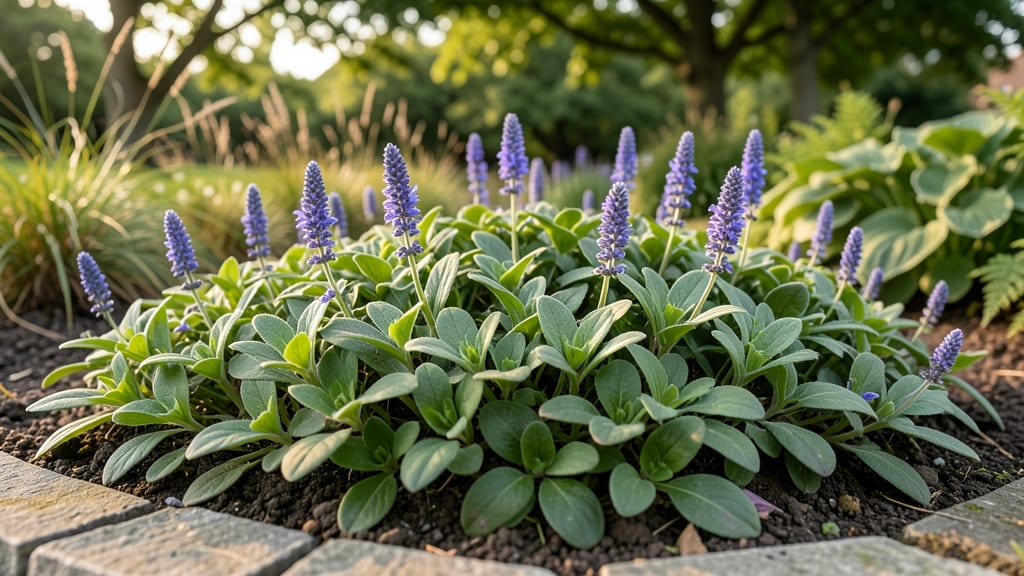
Wondering does ajuga like sun or shade, you’ll find this hardy ground cover thrives in partial shade but tolerates some sun, perfect for USDA Zone 6a gardens.
Picture this: a lush, vibrant carpet of 🌿 Ajuga spreading effortlessly across your garden beds, but instead, you’re left with patchy, struggling plants. The key? Understanding its light needs. Too much sun can scorch its leaves, while too little shade dulls its colors.
Ajuga’s adaptability is one of its biggest strengths. It tolerates morning sun beautifully but prefers afternoon shade, especially in hotter climates. This means you can place it under trees, along shady fences, or even in containers near north-facing windows.
Below, I’ll break down the ideal light conditions, how to spot signs of stress, and practical tips to keep your Ajuga looking its best year-round—no guesswork required.
 Best Window Placement
Ajuga sun vs shade requirements: the truth about light tolerance
Ajuga thrives as a versatile ground cover, but its light preferences can make or break its stunning foliage. While it’s often called a shade-loving plant, some varieties handle morning sun beautifully—if you know the rules.
Let’s break down how Ajuga reptans and Ajuga genevensis respond to different light conditions, so you can place yours perfectly.
Most gardeners assume ajuga hates full sun, but the truth is more nuanced. Ajuga genevensis, for example, tolerates 2-4 hours of morning sun without scorching, while Ajuga reptans may develop bleached foliage if exposed to hot afternoon rays.
Understanding these differences ensures your ajuga stays vibrant and compact, not leggy or stressed.
The key to ajuga’s success lies in filtered light—think dappled shade under trees or east-facing beds. This mimics its natural habitat in woodland understories, where it thrives without direct sun.
Below, we’ll compare how different ajuga varieties adapt to sun, partial shade, and deep shade, so you can choose the right spot for your garden.
| Variety | Sun Tolerance | Shade Tolerance | Foliage Color Impact | Best Light Range |
|---|---|---|---|---|
| Ajuga reptans | Morning sun only (2-4 hrs) | Excellent (deep shade) | Deep purple/blue in shade; bleaches in hot sun | Partial shade (30-50% light) |
| Ajuga genevensis | Tolerates 4 hrs morning sun | Good (but may lose vibrancy) | Silver/green foliage brightens in sun | Partial shade to light shade (20-40% light) |
| Ajuga 'Chocolate Chip' | Avoid full sun (scorches) | Thrives in deep shade | Rich bronze/purple in shade | Deep shade (10-30% light) |
| Ajuga 'Multicolor' | Morning sun enhances colors | Grows but less vibrant | Striped foliage brightens in light | Partial shade (30-50% light) |
Ajuga reptans is the most shade-tolerant variety, making it perfect for woodland gardens or north-facing beds. It develops its signature deep purple foliage when given 30-50% light, but even 10% light (deep shade) won’t kill it—though expect slower growth and less vibrant colors. This variety is your best bet for under tree canopies or shady borders.
On the other hand, Ajuga genevensis is more adaptable to light shade and even morning sun. Its silver-green foliage actually brightens in light, making it ideal for east-facing gardens or container gardens near windows.
If you’re in a hot, dry climate, this variety handles brief sun exposure better than others, but avoid afternoon sun to prevent leaf scorch.
For foliage varieties like 'Chocolate Chip' or 'Multicolor', shade is non-negotiable. These types lose their rich bronze or striped patterns when exposed to direct sun, turning dull and washed-out.
If you’re growing them in partial shade, monitor their light exposure—too much sun will bleach the leaves and reduce their ornamental value.
Pro tip: If your ajuga starts looking leggy or pale, it’s getting too much light. Conversely, yellowing leaves or slow growth signals insufficient light. Adjust its position gradually—ajuga adapts slowly to light changes, so move it incrementally over weeks to avoid shock.
For containers, rotate them weekly to ensure even light exposure.
In USDA Zones 3-9, ajuga’s light needs shift with the seasons. Spring and fall offer gentler sunlight, making it safer to place ajuga in morning sun spots. But in summer’s intense heat, even partial shade
How to choose the perfect spot for ajuga in your garden
Ajuga thrives as a low-maintenance ground cover, but its placement can make or break its vibrant foliage and growth habits. Unlike sun-loving plants, ajuga prefers partial shade—typically 2-4 hours of morning sunlight—to maintain its signature deep purple, bronze, or variegated leaves.
The key is balancing light exposure with your garden’s microclimates, where temperature, humidity, and nearby structures create unique growing conditions.
Before planting, observe your garden’s sunlight patterns throughout the day. North-facing areas receive gentle, filtered light, while east-facing spots get morning sun. South or west exposures can scorch ajuga’s delicate leaves, especially in hot climates.
Even a dappled shade from trees or shrubs can create an ideal environment for ajuga to flourish without stress.
⚠️ callout-warning
Too much sun: Leaves bleach, turn yellow, or develop sunburn spots (crispy edges). Growth becomes leggy as ajuga stretches for shade.
Too little light: Foliage loses color, becomes pale green, and growth slows dramatically. Flowers may fail to appear entirely.
Solution: Test spots with a light meter or observe how ajuga reacts for 2-3 weeks after planting.
Start by testing your garden’s soil moisture and drainage. Ajuga dislikes soggy roots but tolerates dry conditions once established. Amend heavy clay soil with compost or sand to improve aeration.
In containers, ensure pots have drainage holes and use a well-draining potting mix. Pair ajuga with hostas, ferns, or astilbes—companion plants that share similar shade preferences and moisture needs.
If your garden lacks natural shade, create artificial solutions like lattice screens or sheer fabric shades to filter harsh afternoon rays. For urban gardens with limited space, ajuga thrives in hanging baskets or along north-facing walls.
Always plant ajuga in spring or early fall to give roots time to establish before extreme heat or cold sets in.
Monitor your ajuga’s health by checking for yellowing leaves (overwatering or poor drainage) or stunted growth (underwatering or too much shade). Prune leggy stems in early spring to encourage bushier growth. With the right spot, ajuga will spread into a dense, weed-suppressing carpet that brightens shady corners year after year.
For container gardeners, mix ajuga with heuchera or sweet woodruff to create a layered, textured display. In ground beds, space plants 12-18 inches apart to allow foliage to fill in over time. Remember: ajuga’s adaptability is its superpower, but partial shade remains its sweet spot for the most stunning results.