
Shrubs
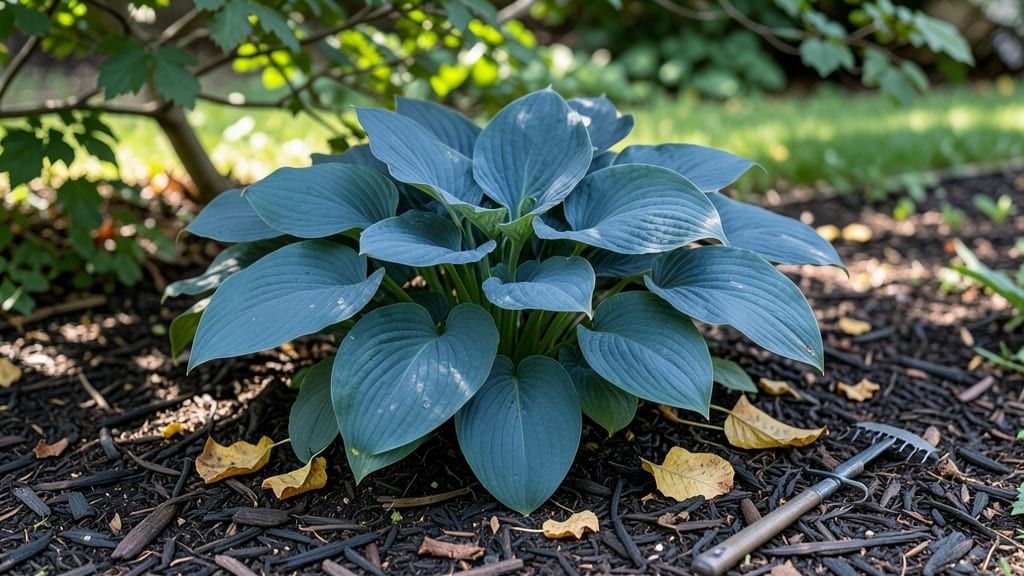
Shade-tolerant shrubs have evolved to capture even scattered light through broad leaves that maximize surface area for photosynthesis. 🌿 Unlike sun-loving plants, they grow more slowly and develop deeper root systems to access moisture in shaded soil.
This makes them perfect for dark corners where other plants struggle—just ensure well-draining soil and consistent moisture. My go-to for quick results is hydrangeas, which can grow 1-2 feet per year in partial shade.
For fast-growing options, consider Japanese holly (2-3 feet annually) or inkberry, which thrives in deep shade and resists pests. In warmer climates, camellias offer glossy leaves and winter blooms, while boxwoods provide year-round structure. Always check your USDA hardiness zone to match plants with your local conditions.
💡 In This Article
- How Shade-Tolerant Shrubs Survive Low Light
- Top 12 Fast-Growing Shade Shrubs by Region
How shade-tolerant shrubs survive low light
Shade-loving shrubs have evolved unique botanical adaptations to thrive where sunlight is scarce.
Their broad, thin leaves maximize surface area for photosynthesis, capturing even the faintest rays of light that filter through tree canopies. 🌿 Unlike sun-loving plants, these shrubs produce chlorophyll more efficiently in low-light conditions, allowing them to convert light into energy at lower intensities.
For example, hydrangeas can photosynthesize at just 10-20% of full sunlight, compared to sun plants that need 60-80% for optimal growth.
Their growth patterns differ dramatically too. Shade shrubs typically grow 1-2 feet per year, developing deeper, more extensive root systems to access moisture and nutrients in shaded soil. This slow-and-steady approach contrasts with sun plants that shoot up quickly but require frequent watering.
The trade-off? Shade shrubs often develop thicker, waxier leaves that reduce water loss—a critical adaptation when evaporation rates are lower in shaded environments. 💧
Moisture retention is another key factor. Shade plants like azaleas and rhododendrons prefer consistently moist (but not soggy) soil because their roots can't handle the same drying conditions as sun plants. Their leaves often have a slightly leathery texture, which helps them store water during occasional dry spells.
This is why mulching with organic matter (like shredded bark) is essential—it helps maintain even soil moisture levels that these shrubs crave.
One fascinating mechanism is their ability to adjust leaf angles. Many shade shrubs position their leaves horizontally to capture light from multiple directions, while sun plants typically grow leaves vertically to minimize surface area and reduce overheating.
This angle optimization can increase light absorption by up to 30% in low-light conditions. 🌱
Temperature plays a subtle but important role too. Shade shrubs often prefer cooler microclimates (ideal range: 60-75°F), which reduces stress compared to sun plants that can overheat above 85°F. This makes them perfect for northern climates or protected garden spots where summer heat would otherwise scorch sun-loving species.
The trade-off? They may require winter protection in colder zones (like USDA zones 3-5) where temperatures drop below -10°F**.
What most gardeners overlook is how these adaptations affect pruning needs. Shade shrubs often bloom on old wood (last year's growth), so pruning should happen right after flowering to avoid cutting off next year's buds.
For example, hydrangeas that bloom in summer should be pruned in late winter—never in spring when new growth is forming. 🌸