
Plants
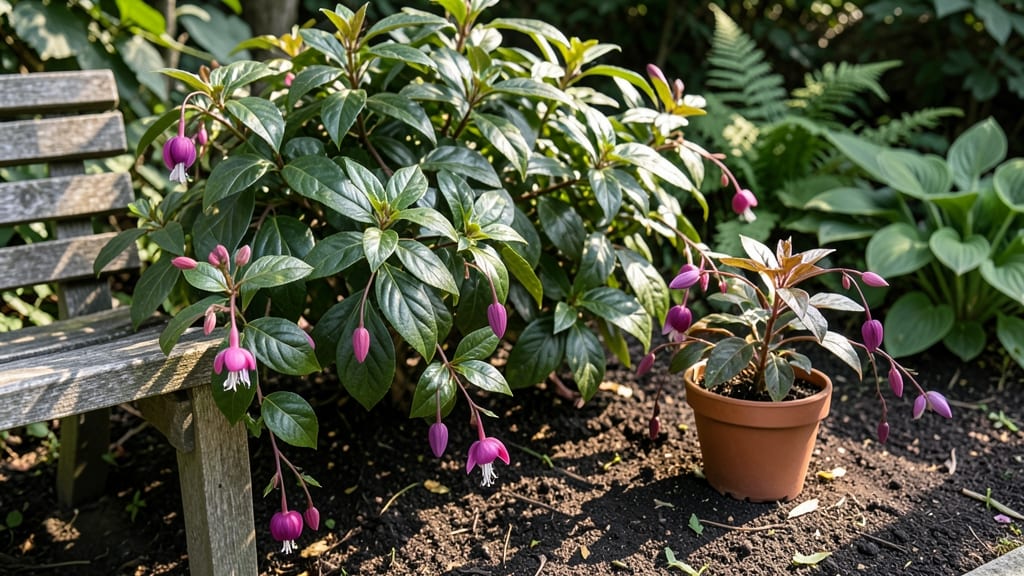
Do fuchsias like shade—or do they just tolerate it—since these stunning blooms actually flourish in partial sun where others might wilt, and nailing that balance ensures the most glorious displays.
If you’ve ever wondered why your fuchsias wilt in full sun but flourish in shady corners, you’re not alone—these stunning plants prefer bright, indirect light over harsh afternoon rays. Too much sun scorches their delicate leaves, while too little shade can leave them leggy and sparse.
In USDA Zone 6a, where spring planting kicks off in April, fuchsias need 4-6 hours of filtered light daily to stay healthy. That means positioning them near east-facing windows or under dappled tree cover—places where morning sun warms them gently without the midday burn.
Below, I’ll break down the ideal light conditions, how to spot when your fuchsias are getting it wrong, and the best ways to create shade for both container and in-ground plants—so you can enjoy those cascading blooms all season long.
 Best Window Placement
How much shade do fuchsias need for optimal growth?
Fuchsias are some of the most elegant flowers in the garden, but their light requirements can be tricky. Too much sun scorches their delicate leaves, while too little shade leads to sparse blooms.
The key? Finding that sweet spot of partial shade—typically 4-6 hours of morning sun followed by afternoon shade. This balance ensures vibrant blooms and lush foliage all season long.
In my experience, east-facing windows or spots under dappled sunlight (like near trees) work wonders. These locations provide gentle morning rays while shielding fuchsias from harsh afternoon heat. If you're growing them in containers, you can easily rotate pots to adjust light exposure as needed.
Now, let’s break down exactly how much shade fuchsias need—and what happens when you get it wrong. The comparison table below will help you visualize the ideal conditions versus common mistakes.
The morning sun rule is critical because those gentle rays help kickstart photosynthesis without overheating the plant. Afternoon sun, especially in hot climates, can turn fuchsia leaves crispy in no time.
I’ve seen fuchsias in my own garden go from lush to sad within days when moved to a south-facing spot without shade.
For container-grown fuchsias, you have even more control. Place them on a patio where they get morning sun but can be moved to shade by midday. This flexibility is one of the reasons I love growing fuchsias in pots—they adapt so well to changing light conditions.
If you’re in a cooler climate, fuchsias can tolerate slightly more sun, but even then, afternoon shade is ideal. The goal is to mimic their natural habitat in temperate forests, where they grow under the canopy.
Think of your garden as a mini-forest floor, where dappled light filters through.
One common mistake is assuming all shade is equal. Deep, dark shade (like under dense evergreens) can lead to leggy, weak stems and fewer flowers. The trick is to find a spot with bright, indirect light—this keeps the foliage vibrant while encouraging blooms.
A simple test: If you can read a book comfortably in the spot, it’s likely too shady for fuchsias.
Pro tip: If your fuchsias start looking stretched or sparse, they’re probably not getting enough light. Rotate containers or move them to a sunnier spot for a few hours a day.
Conversely, if leaves turn yellow or crisp, they’re getting too much sun—provide more shade immediately. Adjusting light exposure is easier than fixing sun damage!
Finally, remember that variety matters. Some fuchsias, like the hardy varieties, tolerate more sun than others. Always check the specific needs of your plant when choosing a spot. With the right light balance, your fuchsias will reward you with non-stop blooms from summer to frost.
Signs your fuchsias aren’t getting the right light exposure
If your fuchsias look leggy and sparse or their leaves are yellowing at the edges, they’re likely sending you a distress signal about their light exposure. Fuchsias are finicky about sunlight—they need bright but indirect light to thrive, but too much direct sun can scorch their delicate foliage.
Understanding these visual cues is the first step to reviving your plants and encouraging those vibrant blooms you love.
One of the most common mistakes I see is placing fuchsias in full sun, especially during hot afternoons. When this happens, the leaves develop brown, crispy edges—a clear sign of sunburn.
On the flip side, if your fuchsias are growing tall and spindly with few flowers, they’re probably not getting enough light to trigger blooming. Both scenarios mean your plants aren’t happy, and adjusting their environment can make all the difference.
⚠️ Warning: Too Much or Too Little Light Can Kill Fuchsias
Fuchsias in full sun suffer from leaf scorch and wilting, while those in deep shade become leggy and stop blooming. The ideal spot offers morning sun (up to 3 hours) and afternoon shade. If your plants show these signs, move them to a bright, indirect location immediately.
Let’s start with the obvious signs of over-sun exposure. If your fuchsia leaves are browning or crisping along the edges, it’s a red flag. This sunburn occurs when the UV rays are too intense, especially in afternoon sunlight.
To fix this, relocate your fuchsias to a spot with dappled shade or use a light sheer curtain to filter the light. If the damage is severe, trim the affected leaves to encourage new growth in healthier conditions.
On the other end of the spectrum, under-light exposure causes fuchsias to stretch toward the light, resulting in long, weak stems and small, sparse leaves. This happens when they’re placed in deep shade or behind other plants blocking light.
To correct this, move your fuchsias to a brighter location, like near an east-facing window or under a light canopy. If you’re growing them outdoors, position them where they receive filtered sunlight for at least 4-6 hours daily.
Another telltale sign of light stress is fewer blooms or buds that drop before opening. Fuchsias need a balance of light to produce flowers, and too little light stops the blooming process entirely. If your plants are flowering poorly, try rotating them to ensure even light exposure on all sides.
You can also supplement with a grow light for 12-14 hours daily if natural light is insufficient, especially during overcast winters.
Don’t overlook the soil and water connection to light exposure. Fuchsias in too much sun dry out faster, so you’ll need to water more frequently to keep the soil consistently moist. Conversely, those in low light may develop root rot if overwatered because their growth slows down.
Adjust your watering schedule based on their light conditions—morning watering is best to prevent fungal issues from lingering moisture.
With these adjustments, your fuchsias should bounce back in 2-4 weeks, showing healthier foliage and more abundant blooms. The key is observation—watch your plants closely, and don’t hesitate to experiment with placement until you find their perfect light balance.
Once you get it right, you’ll be rewarded with lush, flowering fuchsias all season long! 🌸