
Light Requirements
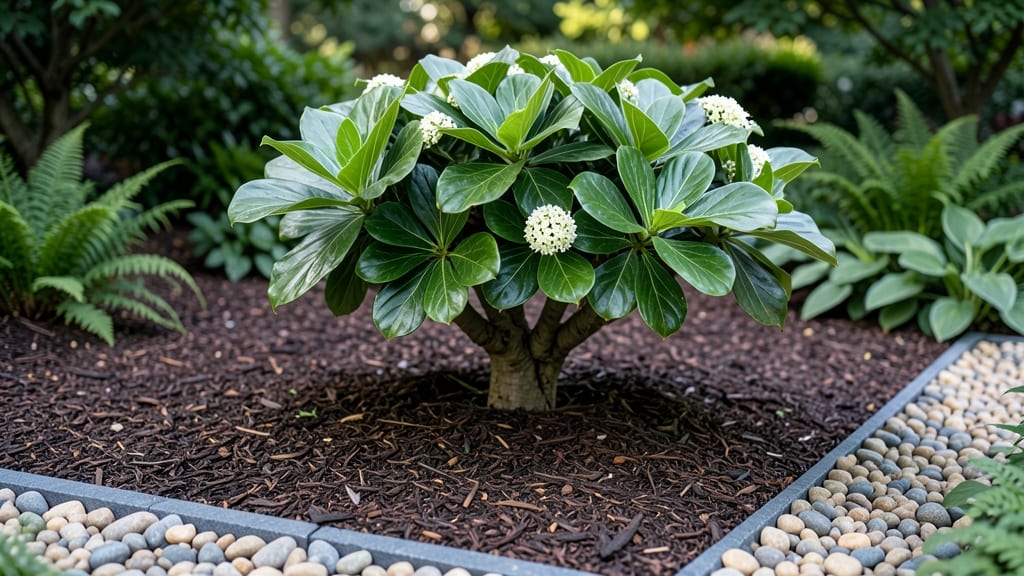
Your Zone 9 shade garden can be shockingly lush—even when sunlight is scarce. 🌿 I’ve turned my own darkest corner into a thriving oasis with plants that don’t just tolerate shade but love it, like ferns, hostas, and impatiens that bloom like clockwork.
The trick? Matching the right species to your specific shade conditions—whether it’s dappled light or deep, unrelenting darkness.
Most shade-loving plants in Zone 9 thrive with 6 hours or less of filtered light, but some—like cast iron plants—survive in near-blackness. The soil should stay moist but not soggy, so amending with compost helps retain water while keeping roots happy.
Native options like California wild ginger or shade-tolerant shrubs like abelia cut down on maintenance while packing in texture and color.
By summer, you’ll have a garden that stays cool, green, and productive—even when your neighbors’ sun-lovers wilt. Ferns add delicate fronds, hostas deliver bold foliage, and impatiens burst with color where others fail.
The best part? These plants ask for little beyond occasional watering and the occasional deadhead to keep blooms coming.
Works for patios, woodland gardens, or even under trees. Here’s how to pick the perfect mix for your space—no guesswork, just guaranteed results. Let’s get those shade spots working for you!
📚 In This Guide
- What you need
- Instructions
- Tips and common mistakes
- Wrapping up and next steps
What you need
- ● Shade-tolerant plant seedlings or mature plants: 5–10 plants (e.g., Caladiums, Ferns, Impatiens, or Hostas) – Choose varieties suited for Zone 9’s full shade.
- ● High-quality potting soil or garden soil: 1–2 bags (50 lbs each) – Opt for well-draining, organic-rich soil (e.g., Miracle-Gro Garden Soil or FoxFarm Ocean Forest).
- ● Mulch: 2–3 bags (2–3 cubic feet each) – Use shredded bark or pine straw to retain moisture and suppress weeds.
- ● Slow-release fertilizer: 1 bag (e.g., Osmocote Smart-Release Plant Food) – Helps nourish plants without frequent applications.
- ● Garden trowel or hand shovel – For digging small holes (6–8 inches deep).
- ● Garden gloves – Protect your hands from soil and thorns (e.g., Fellowes Garden Gloves).
- ● Watering can or hose with a gentle spray nozzle – Shade plants thrive with consistent moisture.
- ○ Pruners (optional) – For trimming dead or overgrown foliage.
- ○ Soil pH tester (optional) – Ensures your soil is slightly acidic to neutral (6.0–7.0) for optimal growth.
- ● ✅ Location: A spot with less than 3 hours of direct sunlight daily (e.g., under trees, north-facing walls, or covered patios).
- ● ✅ Water source: Easy access to water for regular, deep watering (especially in Zone 9’s heat).
- ● ✅ Time: 1–2 hours for planting and initial setup (or a weekend project!).
Step-by-Step guide to planting shade-loving plants in Zone 9
Let's focus on the easiest, most resilient shade plants that thrive in Zone 9's heat and humidity.
🌿 Step 1: Select the Perfect Shade-Loving Plants
Start with proven performers like ferns, hostas, and impatiens for reliable color and texture. I always choose native or adapted species—they handle Zone 9's summer heat better than tropical imports. For foliage, try heuchera or astilbe—both tolerate deep shade and come in vibrant colors. If you want flowers, bleeding heart and foxglove bloom reliably in shady spots.
Check plant tags for "partial to full shade" labels—some plants marked "shade" still need a few hours of dappled light. For true full shade (no direct sun), focus on plants like Japanese painted fern or Hosta 'Blue Angel'. These thrive where nothing else grows.
🪴 Step 2: Prepare the Planting Area
Test your soil's moisture retention—shade plants hate soggy roots. If your garden stays damp, amend with 1-2 inches of compost mixed into the top 6 inches of soil to improve drainage. I use a simple mix of 50% garden soil, 30% compost, and 20% perlite for perfect balance.
Loosen the soil to a depth of 12 inches with a garden fork, breaking up any compacted layers. The goal is to create a loose, airy environment where roots can spread easily. If your soil is heavy clay, add 1 part sand per 3 parts soil to prevent waterlogging.
☀️ Step 3: Plant with Proper Spacing and Mulch
Follow spacing guidelines on plant tags—crowding leads to poor airflow and disease. For example, hostas need 18-24 inches apart, while ferns can grow 12-18 inches apart. Dig holes twice as wide as the root ball but no deeper—planting too deep suffocates roots.
After planting, spread 2-3 inches of mulch (cypress or pine bark works best) around each plant, keeping it 2 inches away from stems. Mulch locks in moisture and keeps roots cool in Zone 9's heat. Water deeply right after planting to settle the soil and eliminate air pockets around roots.
💧 Step 4: Water and Maintain for Long-Term Success
Shade plants need consistent moisture but hate soggy soil. Water 1-2 times per week until the top 2 inches of soil feel dry. In Zone 9's heat, you may need to water more frequently during dry spells. I check soil moisture by sticking my finger in—if it feels dry, it's time to water.
Fertilize lightly in spring with a balanced 10-10-10 formula or compost tea. Too much fertilizer burns shade plants, which grow slower than sun-lovers. Remove spent blooms regularly to encourage more flowers, and divide clumping plants like hostas every 3-4 years to keep them vigorous.
✂️ Step 5: Monitor and Adjust for Zone 9 Conditions
Watch for signs of stress—yellowing leaves often mean too much water, while crispy edges signal underwatering. In Zone 9's humidity, fungal diseases like powdery mildew can appear. If you see white powder on leaves, spray with a 1% baking soda solution (1 tbsp baking soda per gallon of water) to prevent spread.
Adjust mulch thickness in winter—remove half the mulch if temperatures drop below 40°F to prevent rot. Most shade plants in Zone 9 are evergreen, but a few like heuchera may drop leaves in extreme cold. Prune dead foliage in early spring to encourage fresh growth.
Tips & tricks for perfect shade plant gardens in Zone 9
Here's what nobody tells you about making shade gardens thrive in our hot, humid climate.
Native Plants Are Your Best Bet: While hostas and ferns are classics, don't overlook California native plants like toyons or coastal woodferns—they're bred to handle Zone 9's summer heat and drought better than many imports. For instant impact, mix in elephant ears (Colocasia) which tolerate both shade and occasional wet feet. These plants won't just survive—they'll thrive where others struggle.
Soil Science Matters: The 50% garden soil, 30% compost, 20% perlite mix from Step 2 is perfect, but here's the secret: test your soil's pH first. Most shade plants prefer 6.0-7.0 pH. If your soil is too acidic (common in Zone 9), add pelletized lime to raise the pH gradually. I test my soil every 2 years—it's the difference between lush foliage and struggling plants.
Watering Wisdom: Those 1-2 times per week waterings need to be deep—soak the soil until water reaches 6 inches down. In Zone 9's heat, morning watering is best to prevent fungal diseases. I set a timer for 30 minutes per watering session to ensure proper saturation. Shallow watering encourages shallow roots that can't handle our summer heat.
Winter Prep: When you remove half the mulch below 40°F, don't just pull it away—break it up and redistribute it around the base of plants. This prevents soil temperature swings that can shock roots. For extra protection, add a light layer of straw mulch over the soil surface during cold snaps—it acts like a blanket without suffocating the plants.
Pro Tips for Shade Loving Plants Zone 9
- Here's what nobody tells you about making shade gardens thrive in our hot, humid climate.
- For instant impact, mix in elephant ears (Colocasia) which tolerate both shade and occasional wet feet.
- Soil Science Matters: The 50% garden soil, 30% compost, 20% perlite mix from Step 2 is perfect, but here's the secret: test your soil's pH first.
Frequently asked questions
Got questions about thriving shade-loving plants in Zone 9? You’re not alone! Here are some of the most common concerns—and their solutions—to help you garden with confidence.
What are the best shade-tolerant plants for Zone 9 that require almost no maintenance?
Look for native perennials like California fuchsia (Epilobium canum) or coastal wood fern (Dryopteris arguta). These thrive in full shade with minimal watering once established. Succulents like sedum (in partial shade) also work well—just avoid overwatering!
How long does it take for shade plants to establish in Zone 9’s hot climate?
Most shade-loving plants take 2–4 weeks to show initial growth, but full root establishment can take 3–6 months. In Zone 9’s heat, mulch heavily (2–3 inches) to retain moisture and reduce stress. Patience pays off!
Do shade plants in Zone 9 need extra watering during summer?
Yes! While they tolerate shade, Zone 9’s dry heat can still stress plants. Water deeply 1–2 times per week (more for newly planted specimens) and focus on morning watering to prevent fungal issues. Drip irrigation works best.
What if my shade plants look yellow or wilted despite proper care?
Yellowing leaves often signal overwatering or nutrient deficiency. Check soil moisture—it should be damp but not soggy. Add compost or slow-release fertilizer in spring. Wilted foliage? Ensure airflow and trim crowded growth to prevent disease.
Can I grow shade plants under large trees without harming the tree’s roots?
Plant 5–6 feet away from the tree trunk to avoid root competition. Opt for shallow-rooted plants like heuchera (coral bells) or hostas. Avoid invasive species that could spread aggressively under the canopy.
Wrapping up and next steps
Transforming your Zone 9 shade garden into a lush, vibrant oasis is easier than you think! With the right shade-loving plants, you can enjoy year-round greenery while keeping maintenance to a minimum.
Whether you’re a seasoned gardener or just starting out, these low-light thrivers prove that shade doesn’t mean sacrificing beauty—just creativity.
Ready to take the next step? Start small by planting a few of these resilient picks in your shadiest spots, then expand as you see what flourishes. Happy gardening! 🌿✨