
Light Requirements
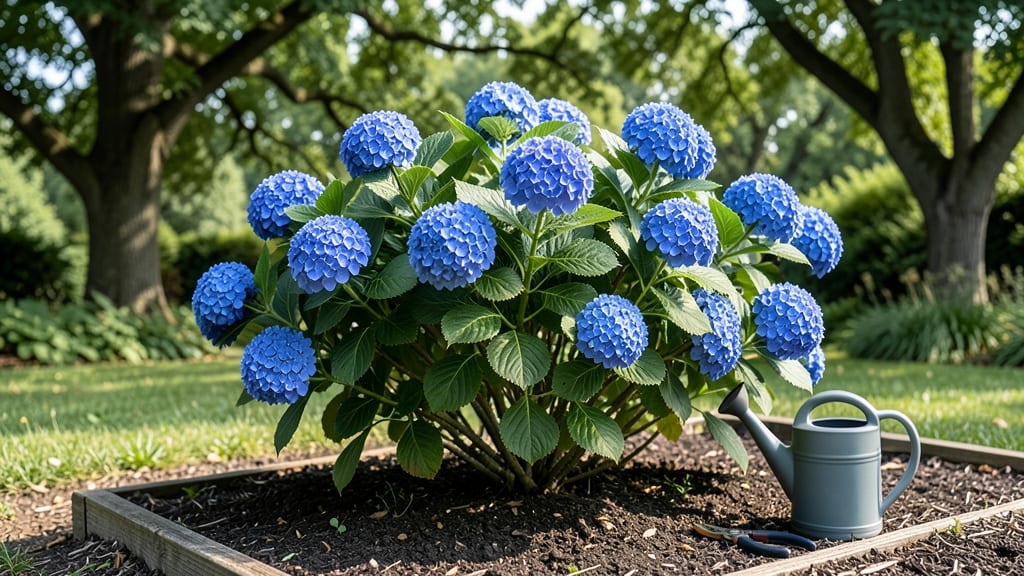
Full shade flowering shrubs prove that lush gardens aren’t just for sunny spots. ✨ I’ve transformed my darkest corners into vibrant displays using plants that thrive where others fail—no direct sun required.
The secret lies in selecting the right varieties that deliver bold blooms, rich foliage, and seasonal interest without demanding harsh light.
Think hydrangeas with their paper-doll blooms or azaleas that burst with color in spring, but don’t overlook ferns for texture or dogwoods for striking foliage. These shrubs handle moisture, cooler temps, and even compete with tree roots—making them perfect for understory planting or north-facing walls.
The key is matching their natural habits to your shade conditions.
You’ll end up with a layered garden that stays visually dynamic year-round, from spring blooms to autumn berries and winter structure. The best part? These plants require minimal fuss once established—just consistent moisture and occasional pruning. Even my blackest thumb can’t kill these shade-lovers.
Works for woodland gardens, patio edges, or any spot where sunlight is scarce. Let’s bring color to those forgotten corners without fighting Mother Nature’s shadows.
📚 In This Guide
- What you need
- Instructions
- Tips and common mistakes
- Wrapping up and next steps
What you need
- ● Full shade flowering shrubs: Choose 3–5 varieties (e.g., Hydrangea macrophylla, Pieris japonica, Calycanthus floridus). Buy 1–2 plants per variety for balanced coverage.
- ● High-quality potting soil or garden soil: 2–3 cubic yards (for in-ground planting) or 1–2 bags (for containers). Opt for moisture-retentive, well-draining mixes with compost.
- ● Organic mulch: 2–3 inches of shredded bark or pine needles to retain moisture and suppress weeds.
- ● Slow-release fertilizer: 10-10-10 or organic options like fish emulsion (apply at planting and mid-season).
- ● Pruning shears: Bypass pruners (for clean cuts) and loppers (for thicker stems).
- ● Garden gloves: Heavy-duty, waterproof pair to protect hands.
- ● Trowel or spade: For digging holes (1.5x wider than root ball, same depth).
- ● Watering can or hose with spray nozzle: For gentle, deep watering (avoid soggy soil).
- ○ pH testing kit (optional): Ideal range: 5.0–6.5 for most shade-loving shrubs.
- ○ Container pots (optional): 15–20 gallon pots with drainage holes for patio/garden beds.
- ● 💡 Test soil drainage: Dig a 12-inch hole, fill with water, and check if it drains within 30 minutes. Amend with perlite if needed.
- ● 🌡️ Watering schedule: Keep soil consistently moist (not waterlogged) for the first 2 weeks post-planting.
- ● 🎯 Light check: Ensure your spot gets less than 3 hours of direct sun daily—use a light meter if unsure.
How to select and plant full shade flowering shrubs for year-round beauty
Here's the method I've used to transform dark corners into vibrant displays—no direct sun required.
🌿 Step 1: Choose the Right Shrubs for Your Shade Level
Not all shade is equal—deep shade (less than 3 hours of light) needs different plants than partial shade (3-6 hours). For year-round color, I focus on three categories: evergreen shrubs for winter structure, spring bloomers, and summer-to-fall performers. Hydrangeas like 'Annabelle' or 'Endless Summer' thrive in partial shade, while heucheras (like 'Palace Purple') and bergenias handle deep shade beautifully.
Check your space's moisture level too—moist, well-draining soil suits astilbes and ferns, while drier conditions favor lavender or drought-tolerant cotoneasters. I always test soil by squeezing a handful: if it crumbles easily, it's dry; if it stays clumped, it's moist. Adjust your plant choices accordingly.
🪴 Step 2: Prepare the Planting Site for Optimal Growth
Dig holes twice as wide as the root ball but only as deep as the container's root level—planting too deep suffocates roots. Amend the native soil with 2-3 inches of compost mixed into the bottom of each hole. This boosts fertility without overwhelming tender roots. For acid-loving plants like azaleas, add a handful of peat moss to the mix.
Space shrubs according to their mature width: 3-6 feet apart for medium-sized varieties, 6-8 feet for large specimens. I mark planting spots with stakes to visualize the layout before digging—trust me, you'll thank yourself later when the shrubs fill in without crowding. Water the holes thoroughly before planting to settle the soil.
☀️ Step 3: Plant and Mulch for Long-Term Success
Remove the shrub from its container and loosen any circling roots gently with your fingers. Place the plant in the hole so the top of the root ball sits 1 inch above soil level—this prevents rot from sitting water. Backfill with native soil, pressing lightly to eliminate air pockets. Water deeply to help roots settle into place.
Apply 2-3 inches of mulch (wood chips or shredded bark) over the root zone, keeping it 6 inches away from the stem to prevent rot. This conserves moisture and regulates soil temperature. I always water again after mulching to lock in hydration. For first-year plants, I mulch thicker (3-4 inches) to protect delicate roots during temperature swings.
💧 Step 4: Water and Fertilize for Season-Long Blooms
Water deeply once a week during the first growing season, aiming for 1-1.5 inches of water per session. Check soil moisture by sticking your finger 2 inches down—if it's dry, water; if damp, wait. Overwatering in shade leads to root rot, so I always prioritize even moisture over frequent light waterings. Drip irrigation works best for shrubs.
Fertilize in early spring with a balanced, slow-release fertilizer (10-10-10) at half the recommended rate. For acid-loving plants, switch to an acidifying fertilizer like iron sulfate. I avoid high-nitrogen fertilizers—they encourage leafy growth at the expense of flowers. A light top-dressing of compost in fall replenishes nutrients without burning roots.
✂️ Step 5: Prune and Maintain for Healthy Growth
Prune late winter or early spring (before new growth starts) to shape shrubs and remove dead wood. For spring bloomers like forsythia, prune immediately after flowering—delaying it cuts off next year's blooms. For summer-to-fall bloomers like hydrangeas, prune in late winter to encourage robust new growth.
Deadhead spent blooms regularly to redirect energy to new flowers. I use clean, sharp pruners and make cuts at a 45-degree angle just above a leaf node. For overgrown shrubs, I thin out crowded branches to improve airflow—this prevents fungal diseases that thrive in shaded, humid conditions. A little pruning now saves hours of cleanup later.
Tips & tricks for perfect full shade flowering shrubs
Between us, the difference between a thriving shade garden and one that struggles lies in these small but critical details.
Shade Level Nuances: Those 3-6 hours of light in partial shade make all the difference for hydrangeas and astilbes. I've seen 'Endless Summer' hydrangeas wilt in deep shade where they should flourish—always verify your space's actual light exposure with a simple observation over a few days. For tricky spots, consider heucheras or bergenias which tolerate less than 3 hours of light better than most.
Soil Testing Hack: The squeeze test I mentioned isn't just about moisture—it also reveals soil compaction. If your soil clumps tightly when dry, it's likely compacted, which restricts root growth. Amend with 2-3 inches of compost (as in Step 2) and consider adding perlite for better drainage. For acid-loving plants like azaleas, I mix in 1 part peat moss to 3 parts soil—this creates the perfect environment.
Mulching Strategy: That 2-3 inch mulch layer isn't just for looks—it's a moisture regulator. In deep shade where evaporation is slower, I actually reduce to 1.5-2 inches to prevent waterlogging. For first-year plants, I use 3-4 inches of mulch specifically to protect tender roots from temperature swings, but I always keep it 6 inches away from stems to prevent rot.
Pruning Timing: The late winter/early spring pruning window is non-negotiable for spring bloomers like forsythia, but I've learned the hard way that summer pruning can stimulate new growth that won't have time to harden off before winter. For hydrangeas, I mark my calendar for late winter pruning—this ensures robust summer blooms while maintaining the plant's structure.
Pro Tips for Full Shade Flowering Shrubs
- Between us, the difference between a thriving shade garden and one that struggles lies in these small but critical details.
- Shade Level Nuances: Those 3-6 hours of light in partial shade make all the difference for hydrangeas and astilbes.
- Soil Testing Hack: The squeeze test I mentioned isn't just about moisture—it also reveals soil compaction.
Frequently asked questions
Got questions about thriving full-shade flowering shrubs? You’re not alone—many gardeners want to maximize blooms in low-light spots! Here are answers to the most common queries to help you grow confidently.
What’s the best full-shade flowering shrub for beginners?
Start with Hydrangea macrophylla (Bigleaf Hydrangea) or Pieris japonica (Japanese Andromeda). Both are hardy, low-maintenance, and bloom reliably in shade. Pieris adds bonus winter interest with its striking foliage!
How long does it take for full-shade shrubs to flower?
Most full-shade flowering shrubs take 1–3 years to establish and bloom. Azalea and Camellia may flower sooner (1–2 years), while Hydrangea can take up to 3 years. Patience pays off—healthy roots = better blooms!
Do full-shade shrubs need extra watering?
Yes! Shade reduces evaporation, so soil stays moist longer—but that doesn’t mean they don’t need water. Water deeply 1–2 times per week (more in extreme heat). Mulch helps retain moisture and keeps roots cool.
Can I prune full-shade shrubs to encourage more flowers?
Timing matters! Prune after flowering (late spring/early summer) for Hydrangea and Azalea. For Camellia, prune right after blooming. Avoid heavy pruning—these shrubs often bloom on old wood, so less is more!
What if my full-shade shrub isn’t flowering?
Check these fixes:
- Light: Ensure it gets at least 3–4 hours of dappled light daily.
- Soil: Amend with compost—shade-lovers often need acidic, well-draining soil (pH 5.0–6.0).
- Fertilizer: Use a slow-release, balanced fertilizer in early spring.
- Age: Young shrubs may need 1–3 years to mature.
Pro Tip:
Rotate your shrubs! If one spot gets too little light, try moving it to a slightly brighter area next year. Most full-shade shrubs adapt well to partial shade (3–6 hours of sun).
Wrapping up and next steps
Transforming your shady spots into vibrant gardens is easier than you think! Full shade flowering shrubs like Hydrangea, Azalea, or Pieris prove that beauty thrives even without direct sunlight—offering year-round color with minimal fuss.
Whether you’re a seasoned gardener or just starting, these low-maintenance plants bring life to forgotten corners, boosting curb appeal and joy.
Ready to take the next step? Start small: pick one shrub that fits your space and soil, then watch your garden bloom! 🌿✨ Browse our top picks or consult a local nursery for expert advice.