
Flowers
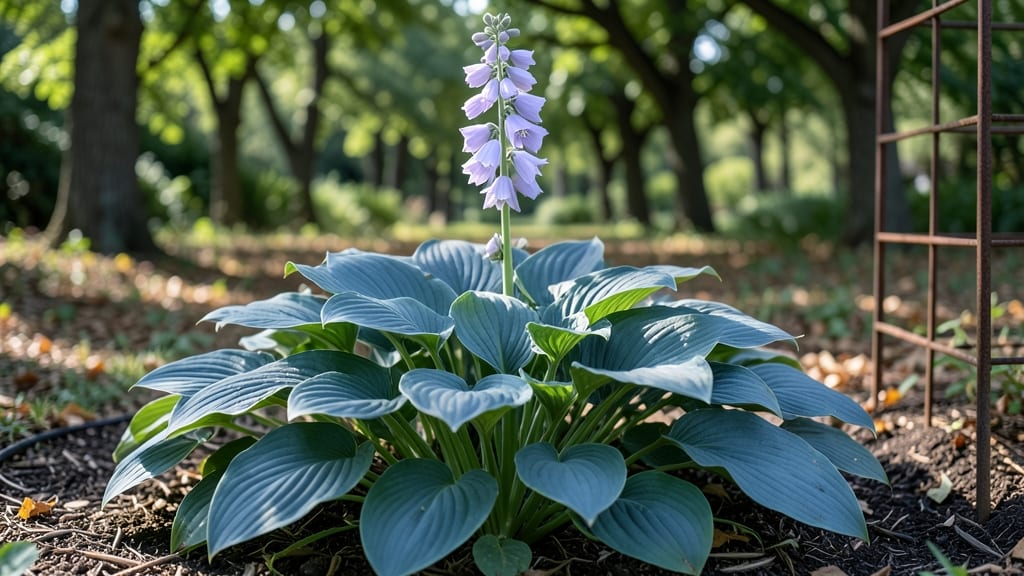
Your shady spots don’t have to be boring—shade-tolerant flowers bring lush color where sun-loving plants struggle. 🌿 I’ve turned my darkest corner into a thriving garden with plants that bloom reliably even under trees, and the key is choosing the right varieties for your light conditions.
Start with impatiens for bold blooms, hostas for dramatic foliage, and ferns for texture—these thrive in dappled shade to full shade. The secret isn’t fancy soil or constant watering; it’s matching plants to their natural light needs and keeping the soil consistently moist (but not soggy).
Most shade plants hate dry spells, so mulch helps retain moisture.
By mid-summer, you’ll see vibrant blooms and glossy leaves that outshine sun-starved gardens. The best part? These flowers keep performing from spring through fall, giving you year-round interest without extra effort. Even my black thumb can’t kill these.
Whether you’re filling a woodland garden, a north-facing patio, or the understory of mature trees, these shade lovers adapt effortlessly. Let’s pick the perfect plants for your space and keep them flourishing all season long.
📚 In This Guide
- What you need
- Instructions
- Tips and common mistakes
- Wrapping up and next steps
What you need
- ● Shade-tolerant flower seeds or plants: 10–20 plants/seeds of heuchera (Coral Bells)
- ● 10–15 plants/seeds of hosta (Hosta)
- ● 5–10 plants/seeds of impatiens (Impatiens)
- ● 5–10 plants/seeds of astilbe (Astilbe)
- ● 5–10 plants/seeds of bleeding heart (Dicentra)
- ● 5–10 plants/seeds of foxglove (Digitalis)
- ● Soil amendments: 5 lbs organic compost or well-rotted manure
- ● 2–3 lbs peat moss or coconut coir (for moisture retention)
- ● 1 lb slow-release fertilizer (10-10-10 or organic option)
- ● Gardening tools: 1 trowel (for planting)
- ● 1 hand fork (for soil aeration)
- ● 1 pair of pruning shears (for maintenance)
- ● 1 watering can or hose with adjustable nozzle
- ● 1 wheelbarrow (for transporting soil/amendments)
- ● 1 pair of gardening gloves (for protection)
- ○ Containers (optional for patio/garden beds): 3–5 12-inch pots or hanging baskets (for impatiens or ferns)
- ● 1–2 raised beds (if expanding garden space)
- ● Location: Identify areas receiving partial to full shade (2–6 hours of sunlight daily). Avoid deep, dark corners where moisture lingers.
- ● Soil test: Check pH (ideal: 5.5–6.5 for most shade plants). Adjust with lime (to raise pH) or sulfur (to lower pH) if needed.
- ● Water source: Ensure consistent moisture, especially during dry spells. Drip irrigation or self-watering pots work well.
- ● Mulch: 2–3 inches of shredded bark or leaf mulch to retain moisture and suppress weeds.
- ● Seasonal timing: Spring: Best for planting perennials (heuchera, hosta).
- ● Fall: Ideal for annuals (impatiens) or dividing perennials.
- ● 🌱 Mix textures: Pair broadleaf hostas with delicate impatiens for a lush, layered look.
- ● 💧 Water wisely: Shade plants prefer consistent moisture—avoid soggy soil by ensuring good drainage.
- ● ✂️ Prune strategically: Trim leggy stems in early spring to encourage bushier growth.
- ● 🌿 Rotate plants: Swap out annuals yearly to refresh colors and prevent disease buildup.
Step-by-Step guide to designing a thriving shade garden
Here's how to transform dim corners into vibrant, low-maintenance floral displays.
🌱 Step 1: Assess Your Shade Conditions
First, determine your shade type—full shade (less than 3 hours of sun) or partial shade (3-6 hours of sun). I use a simple test: hold a white piece of paper in the shadiest spot for an hour. If it stays nearly blank, you have full shade; if it shows faint shadows, it's partial. This distinction matters because full-shade plants like heuchera and astilbe won't thrive where partial-shade lovers like impatiens get too much light.
Observe moisture levels too. Shady spots often stay damp longer. If water pools after rain, you'll need raised beds or containers with excellent drainage. I've seen many gardeners overlook this and lose plants to root rot within weeks. Mark your garden with stakes to track which areas stay moist the longest.
🌿 Step 2: Select the Right Plant Palette
For full shade, focus on plants that tolerate low light and high humidity: bleeding heart (Dicentra spectabilis), Japanese anemone (Anemone × hybrida), and hosta (though it's foliage, not flowers). These thrive where others fail. In partial shade, opt for hydrangeas, foxgloves (Digitalis), and toad lilies (Tricyrtis)—they bloom reliably with just morning sun.
I always mix heights and textures. Place taller plants like cimicifuga (bugbane) at the back, mid-height astilbe in the middle, and trailing impatiens or fuchsia at the front. This creates visual layers that draw the eye downward. Space plants 12-18 inches apart to allow airflow, which prevents fungal diseases common in shady gardens.
☀️ Step 3: Amend Soil for Better Drainage and Fertility
Shade garden soil often compacts and drains poorly. Amend with 2-3 inches of compost and 10% perlite or coarse sand to improve aeration. I swear by mixing in a handful of worm castings per planting hole—they add beneficial microbes that help roots absorb nutrients in low-light conditions. Test your soil's pH too; many shade plants, like azaleas and rhododendrons, prefer acidic soil (pH 5.0-6.0).
For containers, use a well-draining potting mix with 20% orchid bark or coconut coir to prevent soggy roots. I've seen too many gardeners use regular garden soil in pots, and the plants inevitably suffer. Always use containers with drainage holes—no exceptions. Water thoroughly after planting to settle the soil and eliminate air pockets.
💧 Step 4: Water Strategically for Low-Light Success
Shade gardens need consistent moisture but hate soggy roots. Water deeply 2-3 times per week in the first month, then taper to once a week once established. Check soil moisture by sticking your finger 1 inch deep—if it's dry, water; if damp, wait. Overwatering is the fastest way to kill shade plants, especially in containers where roots can't spread.
Mulch with 2-3 inches of shredded bark or leaves to retain moisture and regulate soil temperature. I avoid dyed mulch—it can leach chemicals that harm plants. Refresh mulch annually, especially in hotter months, to keep roots cool. Fertilize lightly with a balanced, slow-release fertilizer (10-10-10) in early spring and again after flowering to encourage vibrant blooms.
✂️ Step 5: Prune and Maintain for Year-Round Interest
Deadhead spent blooms regularly to encourage continuous flowering, especially with impatiens and fuchsias. I prune lightly after each flush of blooms, cutting back to the nearest set of leaves. For perennials like astilbe, trim back halfway in early spring before new growth appears. This prevents flopping and keeps plants compact.
Watch for pests like slugs and snails, which thrive in shady, moist conditions. I use copper barriers around containers and handpick pests early in the morning when they're sluggish. Avoid chemical pesticides—they can harm beneficial insects that pollinate shade flowers. Divide clumping plants like hosta and heuchera every 3-4 years to prevent overcrowding and keep them vigorous.
Tips & tricks for perfect shade-tolerant flower displays
Transforming shady spots into vibrant gardens takes more than just planting the right flowers—it's about understanding the subtle details that make all the difference.
Plant Placement Precision: When arranging your shade-tolerant flowers, pay special attention to the 3-6 hour partial shade distinction. In Step 2, place sun-sensitive varieties like impatiens on the north or east side of your garden where they receive morning light but avoid afternoon sun. For full-shade areas with less than 3 hours of light, position bleeding heart and Japanese anemone where they can maximize what little light exists—often near taller plants that might cast light onto their leaves during the day.
Soil Science Matters: The 2-3 inches of compost and 10% perlite recommendation in Step 3 isn't just about drainage—it's about creating the perfect air-to-water ratio for shade plant roots. I've found that adding worm castings (about 1/4 cup per planting hole) gives an extra boost to root growth in low-light conditions. For containers, mix in 20% orchid bark to prevent compaction, which is especially critical since container roots can't spread like in-ground plants.
Moisture Management: The 2-3 times per week watering schedule in Step 4 works beautifully, but timing matters just as much. Water in the early morning to allow foliage to dry before evening, reducing fungal risks. For hosta and heuchera, which store water in their leaves, you can reduce to once a week once established, but always check that 1-inch deep soil is dry before watering. Overwatering is the silent killer of shade gardens—trust me, I've seen it happen too many times.
Pest Prevention: In Step 5, the copper barriers and handpicking method work wonders, but I've added an extra layer of protection. Place diatomaceous earth (food-grade only) around the base of plants in a thin ring—it's invisible to slugs but creates an abrasive barrier they won't cross. For containers, I use beer traps (a shallow dish of beer) which attract slugs without harming beneficial insects. The key is early intervention—check for pests first thing in the morning when they're most active.
Pro Tips for Shade Tolerant Flowers
- Transforming shady spots into vibrant gardens takes more than just planting the right flowers—it's about understanding the subtle details that make all the difference.
- Plant Placement Precision: When arranging your shade-tolerant flowers, pay special attention to the 3-6 hour partial shade distinction.
- Soil Science Matters: The 2-3 inches of compost and 10% perlite recommendation in Step 3 isn't just about drainage—it's about creating the perfect air-to-water ratio for shade plant roots.
Frequently asked questions
Got questions about bringing shade-tolerant flowers into your garden? You’re not alone! Here are some of the most common queries—and their answers—to help you grow with confidence.
What’s the best way to prepare soil for shade-tolerant flowers?
Shade-tolerant flowers thrive in well-draining, organic-rich soil. Amend heavy clay with compost or peat moss, and avoid compacting the soil. A light mulch (like shredded bark) helps retain moisture and regulate temperature. Pro tip: Test soil pH—most shade-lovers prefer slightly acidic to neutral (6.0–7.0).
When is the ideal time to plant shade-tolerant flowers?
The best times are early spring or fall, when temperatures are mild and roots can establish without stress. Avoid planting during heatwaves or deep freezes. Bonus: Container-grown flowers can be planted year-round in mild climates!
Can I grow shade-tolerant flowers in containers?
Many varieties—like impatiens, ferns, and heuchera—thrive in pots. Use well-draining containers with holes, and choose a lightweight, airy potting mix. Rotate containers occasionally for even light exposure.
Why aren’t my shade flowers blooming?
Low light + poor nutrition = fewer blooms! Ensure your plants get at least 4–6 hours of indirect light daily. Feed with a balanced, water-soluble fertilizer (like 10-10-10) every 4–6 weeks. Deadhead spent blooms to encourage new growth!
What’s a great low-maintenance shade-tolerant flower?
Try hostas, astilbes, or Japanese painted ferns—they’re drought-tolerant, pest-resistant, and forgiving. For color, impatiens or begonias deliver nonstop blooms with minimal fuss. Win-win!
Wrapping up and next steps
Shade-tolerant flowers are the secret weapon for bringing life and color to those tricky, low-light spots in your garden—whether it’s under trees, along north-facing walls, or in shady corners. 🌿 From hardy heucheras to delicate impatiens, these plants prove that even the darkest areas can bloom beautifully with the right choices.
Ready to transform your space?
Your next step? Pick 2-3 shade-lovers that match your garden’s light conditions, grab some well-draining soil, and start planting! Whether you’re a seasoned gardener or just beginning, these resilient flowers will reward you with year-round joy—no sunlight required. Happy gardening! 🌸