
Tools
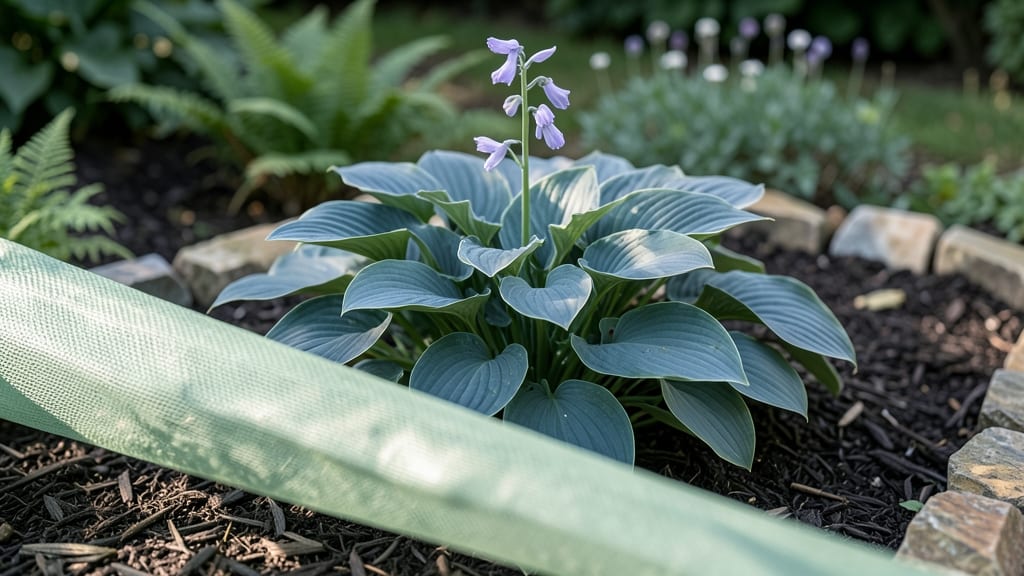
Shade cloth for garden beds reduces sunlight exposure to protect delicate plants from scorching while maintaining airflow, with options ranging from 20% to 90% light blockage for precise control over heat and humidity levels.
This lightweight fabric acts like a natural sunscreen for your plants, filtering harsh UV rays while still allowing essential light to reach leaves. 🌿 The key is matching the percentage to your plants' needs—30% shade cloth works well for seedlings and lettuce, while 50% suits heat-sensitive flowers like impatiens.
I've seen dramatic differences in plant health when using the right density, especially during peak summer months when temperatures can spike unexpectedly.
Beyond light control, shade cloth also helps regulate soil moisture by reducing evaporation. This means less frequent watering, which is a game-changer for busy gardeners. The breathable material prevents the stagnant air issues you might get with plastic covers, keeping your plants healthy without sacrificing growth potential.
For best results, I recommend installing your shade cloth using sturdy hoops or frames to maintain proper spacing above plants. This creates an even canopy effect and prevents the fabric from touching leaves, which could cause damage or encourage fungal growth.
💡 In This Article
- How Shade Cloth Ratings Affect Plant Growth
- Choosing the Right Shade Cloth for Your Garden Needs
How shade cloth ratings affect plant growth
Shade cloth ratings—measured in percentages—represent how much sunlight the fabric blocks, with 20% allowing most light through while 90% filters nearly everything. The science behind this involves photosynthesis regulation: plants need light for energy, but too much UV radiation can cause leaf scorch or stress.
For example, 30% shade cloth reduces light by 30% while still permitting 70% of full sunlight, ideal for heat-sensitive crops like lettuce or spinach that thrive in partial shade.
Temperature control is another critical factor. A 50% shade cloth can lower soil temperatures by 10-15°F during peak afternoon heat, creating a microclimate that mimics cooler growing conditions. This is especially valuable in regions with intense summer sun, where even sun-loving plants like peppers may suffer from heat stress.
The fabric’s breathable weave also maintains airflow, preventing the humidity buildup that plastic covers often trap, which can lead to fungal diseases.
Different plants respond uniquely to shade levels. Leafy greens and herbs typically perform best under 30-50% shade cloth, while flowers like impatiens or begonias often need 50-70% blockage to prevent wilting.
Sun-loving vegetables like tomatoes or cucumbers can handle 30% or less, but even they benefit from partial shade during extreme heat. The key is observing your plants’ color and growth rate—if leaves turn yellow or growth stalls, it’s often a sign of too much or too little light.
Seasonal adjustments are crucial too. In spring or fall, you might use 20-30% shade cloth to protect young seedlings, while summer demands denser coverage. I’ve found that moving shade cloth between garden sections as seasons change maximizes its effectiveness.
For instance, a 40% cloth might work for early summer but require upgrading to 60% by July in hot climates.
The fabric’s material also plays a role. Most shade cloths are made from polypropylene, which resists UV degradation and lasts 3-5 years with proper care. However, the weave density directly impacts light diffusion—tighter weaves block more light but may reduce airflow slightly.
For example, a 90% cloth creates a cooler environment but requires careful monitoring to avoid over-shading.
Consider this real-world scenario: In my garden, 50% shade cloth over basil plants during a 95°F heatwave prevented wilting while still allowing enough light for robust growth. Without it, the leaves would have curled and turned brown within days.
The same cloth worked for strawberries in spring, where 50% blockage protected them from late frost while still permitting sufficient light for fruiting.