
Light Requirements
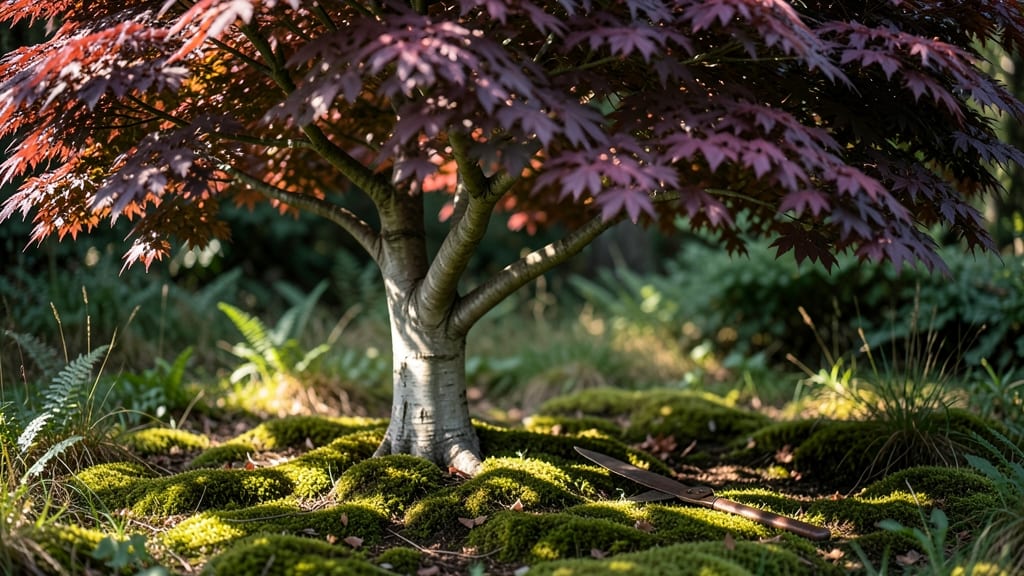
The meaning of dappled shade describes sunlight that filters through leaves or structures, creating shifting patterns of light and shadow on the ground. This intermittent lighting creates an ideal environment for shade-loving plants that can't handle direct sun exposure.
This unique lighting condition occurs when sunlight passes through tree canopies or lattice structures, creating a dynamic play of bright spots and cooler shadows throughout the day. 🌳 Unlike consistent full sun or even shade, dappled light provides just enough brightness to support photosynthesis while preventing leaf scorch.
Many gardeners intentionally create these conditions for delicate plants that would otherwise struggle in harsher environments.
What makes dappled shade particularly valuable is how it mimics natural understory conditions found in forests. Plants like hostas, heucheras, and astilbes thrive in these conditions because they've evolved to handle fluctuating light levels.
The key is choosing plants that appreciate this balance—those that would burn in full sun but languish in complete shade.
💡 In This Article
- How Dappled Light Affects Plant Growth
- Best Plants for Dappled Shade Gardens
How dappled light affects plant growth
Dappled light creates a unique photosynthetic environment where plants experience rapid fluctuations in light intensity—often shifting from full sun to near-shade within minutes. This intermittent exposure triggers a fascinating plant response: photoperiodism adaptation.
Unlike full sun plants that rely on constant high light, or shade plants that need low, steady light, dappled-loving species have evolved to efficiently capture brief light bursts through chloroplast movement. When light hits, chloroplasts reposition to maximize absorption, then redistribute when shadows return. 🌿
The intensity variations in dappled light typically measure between 10-50% of full sunlight, depending on tree density and time of day. For comparison, full sun delivers 100% light intensity, while deep shade often provides less than 10%.
This middle range prevents leaf scorch (common in full sun) while still supporting moderate photosynthesis. Studies show plants in dappled conditions develop thicker cuticles and more efficient water-use strategies than those in constant shade.
What most gardeners don't realize is how this lighting affects plant morphology. Dappled conditions often produce taller, leggier growth compared to full shade, as plants stretch toward occasional light sources. However, the leaves remain smaller and darker green than sun-exposed foliage.
This adaptation explains why plants like Japanese maples (Acer palmatum) grow more gracefully in dappled light—their branches develop with better structural integrity than in full sun.
The temperature dynamics also play a crucial role. Dappled areas stay 5-10°F cooler than open sun spots due to reduced radiant heat, creating a microclimate ideal for heat-sensitive species. The moving light patterns also discourage fungal growth by preventing prolonged moisture buildup on leaves—a common issue in dense shade gardens.
This combination of light variation and temperature moderation makes dappled shade the Goldilocks zone for many woodland plants.
Consider the example of hostas, which thrive in dappled light but would develop sunburn in full exposure. Their leaves contain higher concentrations of anthocyanins** (the pigments that give them blue-green hues) as a natural sunscreen mechanism.
When you see hostas with particularly vibrant foliage, you're witnessing their successful adaptation to intermittent light conditions. 🌱
The key takeaway is that dappled light isn't just "partial shade"—it's a distinct ecological niche that demands specific plant adaptations. Understanding these growth patterns helps gardeners select the right species and avoid common mistakes like planting sun-lovers in dappled conditions or shade plants in too much light.