
Flowers
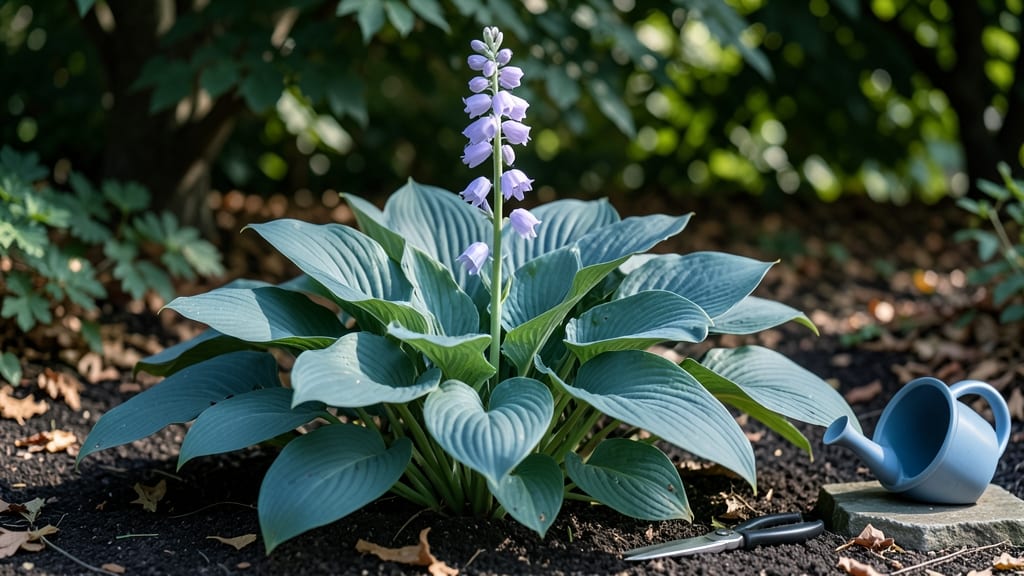
Shade perennial flowers turn dim corners into vibrant spots that never quit. 🌿 I’ve transformed my darkest garden nooks into lush displays using plants that thrive where others fade—like Hosta ‘Blue Angel’ with its velvety leaves or Astilbe that bursts into feathery plumes all summer.
These aren’t just survivors; they’re stars that steal the show when sunlight is scarce. The secret lies in their hardiness and layered blooms. Hellebores bloom in winter, Bleeding Heart cascades in spring, and Japanese Painted Fern adds texture year-round.
Mix them with Foamflower for early spring color, and you’ve got a garden that feels alive from January through November. No dead zones here—just nonstop color and texture. What you’ll get is a garden that feels intentional, even in shade.
Imagine deep purple astilbe against silver foliage, or soft pink hellebores peeking through fern fronds. These combos create depth and movement without needing full sun. The best part? Once planted, they’re low-maintenance workhorses that multiply and spread naturally. Perfect for borders, woodland gardens, or even under trees.
These perennials prove shade doesn’t mean boring—it means bold, unexpected beauty with minimal effort. Let’s bring the light to the dark spots!
Why Shade Plants Falter
Even the hardiest shade perennials can struggle to thrive, leaving gardeners puzzled by wilting blooms, sparse foliage, or early decline. Understanding the root causes helps you diagnose—and fix—the issues before they derail your low-light garden. Here’s why shade-loving flowers sometimes miss the mark.
Shade perennials evolved to thrive in specific light conditions, but misjudging their needs can stunt growth or prevent flowering.
- Too little light 🌑: - Most shade perennials need at least 3–6 hours of dappled sunlight or bright indirect light daily.
Without this, they may produce leggy stems, sparse leaves, and few (if any) blooms. - Example: Hostas and astilbes in deep, dense shade (like under a thick evergreen canopy) often revert to foliage-only growth. - Fix: Prune overhanging branches or thin out competing plants to improve light penetration.
Consider reflective surfaces (like white walls or mulch) to bounce extra light into the area.
- Too much direct sun ☀️: - Some "shade-tolerant" perennials (like impatiens or ferns) scorch when exposed to more than 2–3 hours of direct midday sun, causing crispy edges or yellowing leaves. - Fix: Monitor sunlight patterns in your garden.
If leaves show bleached or brown patches, relocate the plant to a sunnier-but-filtered spot (e.g., under a sheer curtain or lattice).
Shade gardens often retain moisture longer, but poor drainage or inconsistent watering can stress plants.
- Overwatering or soggy soil 💦: - Compacted or poorly draining soil in shady spots can lead to root rot, especially in perennials like hellebores or lungworts, which hate "wet feet." - Signs: Yellowing leaves, mushy stems, or a foul smell at the base. - Fix: Amend soil with compost or perlite to improve aeration.
Ensure containers have drainage holes, and avoid watering until the top 1–2 inches of soil are dry.
- Underwatering or inconsistent moisture 🌵: - Shade perennials often have shallow root systems and rely on steady moisture. Skipping watering can cause wilting, drooping leaves, or bud drop. - Fix: Mulch heavily (2–3 inches of shredded bark or leaves) to retain moisture.
Water deeply 2–3 times per week in hot/dry spells, aiming for 1 inch of water per week.
Shade plants are picky about soil—too acidic, too alkaline, or nutrient-poor soil can stunt their growth.
- Wrong pH levels 📉: - Most shade perennials prefer slightly acidic to neutral soil (pH 6.0–7.0). Clay-heavy or alkaline soil (common in many gardens) can lock out essential nutrients like iron or phosphorus, leading to: - Yellow leaves (chlorosis) in plants like hydrangeas or astilbes. - Purple-tinged foliage (phosphorus deficiency) in perennials like bleeding heart. - Fix: Test your soil with a DIY kit or send a sample to a local extension office.
Adjust with: - Elemental sulfur (to lower pH) or lime (to raise pH). - Organic matter (compost or peat moss) to buffer extremes.
- Poor fertility or compacted soil 🏗️: - Shady spots often have less organic matter due to slower decomposition.
Without regular feeding, perennials like heuchera or coral bells may produce small, weak leaves or no flowers. - Fix: Feed in early spring with a balanced, slow-release fertilizer (10-10-10) or a shade-specific formula. Top-dress with well-rotted compost annually.
Shady, humid conditions create the perfect breeding ground for fungal diseases and sap-sucking pests.
- Fungal infections 🍄:
- Powdery mildew (white, powdery coating) or leaf spot (brown, circular lesions) thrive in poor air circulation and high humidity.
- Common targets: Impatiens, ferns, and astilbes.
- Fix:
- Prevent: Space plants 12–18 inches apart for airflow.
- Treat: Spray with neem oil or a copper fungicide at the first sign of powdery mildew. Remove and destroy infected leaves promptly.
- Slugs, snails, and aphids 🐌: - Slugs and snails love tender shade perennials like hostas, astilbes, and primroses, leaving ragged holes in leaves. - Aphids cluster on new growth, causing sticky residue (honeydew) and distorted leaves. - Fix: - Slugs/snails: Use beer traps, diatomaceous earth, or iron phosphate baits. - Aphids: Blast off with a strong spray of water or introduce ladybugs.
Apply insecticidal soap if infestations persist.
Shade gardens can experience unpredictable temperature swings, especially near foundations or dense plantings.
- Heat stress in "cool shade" ❄️→☀️: - Some perennials (like Japanese painted ferns) prefer consistent cool, moist conditions.
If temperatures spike in a hot, dry shade spot, they may wilt or drop buds. - Fix: Provide afternoon shade with a lightweight shade cloth (30–50%) or plant heat-tolerant alternatives like heuchera or ajuga.
- Cold drafts or frost pockets ❄️: - Low-lying or north-facing shade areas can trap cold air, damaging tender perennials like impatiens or begonias in early spring or late fall. - Fix: Mulch heavily (4–6 inches of straw or leaves) to insulate roots.
Group heat-loving perennials (like cannas) near warmer microclimates (e.g., south-facing walls).
Not all "shade-tolerant" perennials are created equal—some need more light than others to perform well.
- Overpromising labels 📛: - Terms like "part shade" or "partial sun" can be vague.
A plant labeled "part shade" might need morning sun + afternoon shade, while "deep shade" plants (like foamflower or solomon’s seal) tolerate only filtered light. - Fix: Research your specific varieties—some heuchera or heleborus cultivars thrive in brighter conditions than others.
- Competing with aggressive roots 🌳: - Tree roots (especially from maples, oaks, or pines) can steal water and nutrients, leaving shade perennials stunted or chlorotic. - Fix: Mulch widely (3–4 feet out from the tree) to protect roots.
Avoid planting shallow-rooted perennials directly under mature trees—opt for ground covers (like ajuga or creeping phlox) instead.
Even the hardiest perennials can decline due to natural aging or environmental stressors.
- Overcrowding 🏡:
- Perennials left unchecked for years can compete for resources, leading to smaller blooms, fewer leaves, or dieback in the center.
- Fix: Divide clumps every 3–5 years (spring or fall) to rejuvenate growth. Example: Daylilies, hostas, and peonies benefit from regular splitting.
- Transplant shock 🚛:
- Moving shade perennials (even in ideal conditions) can cause wilting, leaf drop, or delayed flowering as roots establish.
- Fix: Water deeply before and after transplanting. Use root stimulator (like mycorrhizal fungi) to
Revive & Protect Your Shade Garden
Gardeners know that shade-loving perennials can be finicky—too little light, soggy soil, or pests can turn your dream garden into a struggle. But with the right fixes, you can bring back vibrancy and keep your plants thriving. Here’s how to tackle common issues and prevent them from returning.
Cause: Insufficient light or overcrowding stunts growth, leading to spindly stems and sparse blooms.
How to Fix It:
- 🔥 Boost Light Exposure – Prune nearby trees or shrubs to allow dappled sunlight (even 3–4 hours helps). Use reflective mulch or mirrors to bounce light into darker corners.
- 🍳 Thin Out Plants – Remove overcrowded perennials to improve airflow. Divide clumps every 2–3 years to rejuvenate growth.
- 🌡️ Choose the Right Varieties – Opt for shade-tolerant perennials like Hosta, Astilbe, or Bleeding Heart that thrive in low light without stretching.
Prevention Tip: 💡 Plant low-growing ground covers (like Lamium or Ajuga) to fill gaps and reduce competition for light.
Cause: Overwatering, poor drainage, or fungal diseases (like powdery mildew) stress plants.
How to Fix It:
- 👨🍳 Improve Drainage – Amend heavy clay soil with compost or sand. Elevate containers with saucers to prevent soggy roots.
- ⏰ Water Wisely – Water deeply but infrequently (early morning is best). Avoid wetting foliage to deter fungi.
- 🔪 Prune Damaged Leaves – Snip yellow or spotted leaves to improve airflow and reduce disease spread.
Prevention Tip: ✨ Use mulch (like shredded bark) to retain moisture while preventing root rot.
Cause: Shady, damp conditions attract pests that chew leaves or suck sap.
How to Fix It:
- 🥘 Natural Deterrents –
- Slugs: Set out beer traps (bury a shallow dish filled with beer) or use copper tape around pots.
- Aphids: Spray with soapy water (1 tsp mild soap per quart of water) or introduce ladybugs.
- Spider Mites: Blast off mites with a strong spray of water and increase humidity with a sprinkler.
- 🌿 Companion Planting – Interplant with garlic, chives, or marigolds to repel pests naturally.
Prevention Tip: 🎯 Inspect plants weekly and remove eggs/small infestations before they spread.
Cause: Insufficient light, poor soil, or over-fertilizing with nitrogen (which promotes leaves over flowers).
How to Fix It:
- 🔥 Feed for Flowers – Use a balanced, slow-release fertilizer (like 10-10-10) in early spring. Avoid high-nitrogen formulas.
- 🍳 Deadhead Regularly – Remove spent blooms to encourage new flowers (especially for Impatiens or Fuchsia).
- 🌡️ Test Soil pH – Most shade perennials prefer slightly acidic to neutral soil (6.0–7.0). Amend with lime (to raise pH) or sulfur (to lower it) if needed.
Prevention Tip: 💡 Plant perennials with staggered bloom times (e.g., Hellebores in winter, Astilbe in summer) for continuous color.
Final Thought: With these targeted fixes, your shade garden can go from struggling to stunning! 🌟 The key is observation + quick action—adjust light, water, and care based on what your plants specifically need. Happy gardening!
Frequently asked questions
What’s the best way to create a low-maintenance shade garden?
Start with hardy, self-spreading perennials like Hosta, Ajuga, or Lungwort, which thrive in shade and multiply naturally. Group plants by water needs and height—tall bloomers (like Astilbe) in back, mid-height foliage (like Heuchera) in the middle, and ground covers (like Sweet Woodruff) in front. Mulch with 3–4 inches of shredded bark to suppress weeds and retain moisture. This setup minimizes weeding and watering while maximizing impact!
Can shade perennials bloom all season long?
Yes! With the right mix, you can create year-round interest. Plant Hellebores for winter blooms, Bleeding Heart for spring, Astilbe for summer, and Japanese Anemone for fall. Layer in foliage plants like Japanese Painted Fern or Coral Bells for texture when flowers fade. The key is staggered bloom times—no dead zones here!
How do I prevent slugs from destroying my shade plants?
Slugs love tender shade perennials like Hostas and Primroses, but you can outsmart them! Use copper tape around pots or garden beds (slugs hate the electric shock!), set up beer traps (bury a shallow dish filled with beer), or sprinkle diatomaceous earth around plants. For organic control, plant garlic or chives nearby—their scent repels slugs naturally. Check plants after rain when slugs are most active.
What’s the difference between “partial shade” and “deep shade”?
Partial shade means 3–6 hours of dappled sunlight (like under a deciduous tree), while deep shade gets less than 3 hours (like under an evergreen). Plants like Impatiens or Ferns thrive in partial shade, but Hostas or Lungwort can handle deep shade. Always check plant tags—some “shade-tolerant” varieties actually need morning sun to bloom well!
Will shade perennials grow in containers?
Containers are perfect for shade perennials like Hosta, Heuchera, or Sweet Potato Vine. Use well-draining pots with drainage holes and a lightweight potting mix (add perlite or orchid bark for aeration). Water when the top 1–2 inches of soil are dry, and fertilize lightly in spring with a balanced formula. Just avoid tiny pots—5+ gallon containers give roots room to spread.