
Shrubs
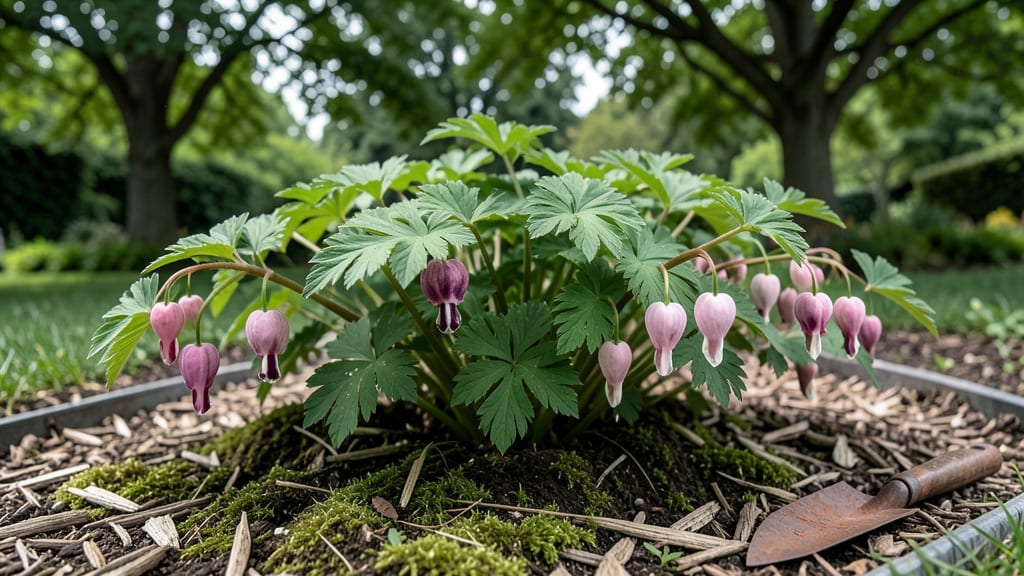
Bleeding heart plants thrive in shade 💔, turning even the darkest corners of your garden into a lush, blooming haven.
If you love the delicate, heart-shaped blooms of bleeding heart plants but struggle with keeping them thriving in shady spots, you’re not alone—many gardeners assume these beauties need bright light to flourish.
The truth? They love shade, but getting the placement right is the key to those year-round blooms you dream of.
These plants mimic their woodland roots when given the right conditions: dappled light, moist soil, and protection from harsh afternoon sun.
Without these, you might end up with leggy stems or sparse flowers, but with the right shade strategies, your bleeding hearts will reward you with vibrant blooms from spring through summer.
Below, I’ll walk you through the best shade conditions, proven placement tricks, and how to troubleshoot common shade-related issues—so you can enjoy a flourishing bleeding heart garden without the guesswork.
 Best Window Placement
Best shade conditions for bleeding heart plants to bloom year-round
Bleeding heart plants (Dicentra spectabilis) are woodland natives that adore shade, but not all shade is created equal. These delicate perennials thrive when you mimic their native woodland conditions, where dappled sunlight filters through tall trees.
The key lies in understanding the three shade types—full, partial, and dappled—and how they impact your plant’s blooming cycle. Too much direct sun can scorch leaves, while too little light may result in sparse flowers.
Let’s break down the ideal shade conditions to keep your bleeding hearts blooming year after year.
First, recognize that bleeding hearts prefer filtered light rather than deep, dense shade. In their natural habitat, they receive 2-4 hours of morning sunlight with afternoon shade. This balance prevents leaf burn while ensuring enough energy for robust blooms.
If your garden has east-facing windows or tall trees, you’re already on the right track. For containers, place them under sheer curtains or tree canopies to simulate this natural light filter. Avoid south-facing spots, which can deliver harsh afternoon rays that stress the plants.
Here’s how different shade types affect your bleeding hearts:
Seasonal adjustments are critical for year-round blooms. In spring, when trees are bare, bleeding hearts can handle up to 4 hours of direct morning sun—this is their prime blooming window. As summer arrives and foliage thickens, shift plants to shadier spots to prevent leaf scorch.
In fall, reduce watering slightly but keep the soil moist to encourage next year’s buds. During winter dormancy, they’ll tolerate deeper shade, but avoid moving them to dark corners, which can delay spring growth.
Microclimates play a huge role in shade success. For example, north-facing walls create cooler, moister conditions perfect for bleeding hearts, while south-facing slopes can dry them out quickly. Test your garden’s microclimates by observing how light shifts throughout the day.
Use a light meter (or your phone’s light sensor) to measure foot-candles—ideal levels for bleeding hearts range between 1,000-3,000 foot-candles during peak daylight hours. If your spot reads lower, consider reflective mulches or light-colored gravel to boost indirect light.
Another pro tip: Rotate containers every few weeks to ensure even light exposure. Bleeding hearts grown in pots can develop lopsided growth if left in one spot too long. For in-ground plants, group them with taller perennials like astilbes or ligularia to create natural shade as they grow.
This layered approach mimics their woodland home and keeps blooms coming season after season. Just remember—consistency is key. Sudden changes in light exposure can stress the plants and reduce flowering.
If you’re in a hot, humid climate, prioritize afternoon shade to prevent fungal issues like powdery mildew. In cooler regions, embrace morning sun to jumpstart spring blooms. The goal is to balance light and moisture—bleeding hearts hate soggy roots but thrive with even moisture.
Mulch with 2-3 inches of organic matter (like shredded bark) to insulate roots and retain humidity. This simple step can make the difference between year-round blooms and a sad, sparse display.
For container gardeners, choose terracotta or fabric pots with drainage holes to prevent root rot in shady spots. Avoid glossy plastic pots, which trap excess moisture. Place containers on elevated stands or cascading shelves to improve airflow and light penetration.
And if your bleeding hearts start looking leggy or sparse, it’s a sign they need more light, not less. Gradually introduce brighter conditions over 2-3 weeks to avoid shocking the plants.
Finally, don’t overlook companion planting. Pair bleeding hearts with hostas, ferns, or astilbes to create a lush, low-maintenance shade garden. These plants share similar care needs and help moderate soil temperature and moisture.
With the right shade strategy, your bleeding hearts will reward you with vibrant, heart-shaped blooms from early spring through summer—and maybe even a few surprise flowers in fall. The secret? Treat them like woodland royalty: plenty of shade, consistent moisture, and a little extra TLC.
Proven placement strategies to maximize blooms in shady gardens
Positioning your bleeding heart plants strategically in shade can transform your garden from lackluster to lush. These plants naturally thrive under tree canopies or near north-facing walls, where they receive filtered sunlight for just 2-4 hours daily.
Mimic their woodland habitat by planting them where they’ll get morning sun but afternoon shade—this prevents leaf scorch while encouraging prolonged blooming.
Start by selecting a spot with humus-rich soil that drains well but retains moisture. Amend heavy clay with organic compost or leaf mold to improve aeration, which is critical for root health in shaded areas.
A 3-inch layer of mulch around the base will lock in moisture and suppress weeds, cutting down on maintenance while keeping roots cool.
🌳 Optimal Placement Zones for Bleeding Hearts
- 🌳 Under Deciduous Trees: Plant 3-4 feet from tree trunks to avoid root competition while benefiting from dappled shade.
- 🧱 Near North-Facing Walls: Creates a microclimate with consistent shade; ideal for urban gardens with limited space.
- 🪴 In Container Gardens: Use 12-inch pots with drainage holes and place on patios or balconies with afternoon shade.
- 🌿 Along Fences or Shrubs: Pair with hostas or ferns for layered shade gardens that thrive in moisture.
- 🌧️ Low-Lying Areas: Avoid depressions where water pools; ensure slight elevation for drainage.
Companion planting boosts your bleeding hearts’ resilience in shade. Pair them with astilbes or heucheras to create a layered effect while improving soil structure. These companions tolerate similar moisture levels and deter pests like slugs, which love tender bleeding heart foliage.
For seasonal adjustments, prune back dead foliage in early spring to encourage new growth, and avoid fertilizing after mid-summer to prevent leggy stems.
In warmer climates (Zones 7-9), provide afternoon shade to prevent heat stress, while cooler regions (Zones 3-6) can handle more morning sun. Monitor soil moisture closely—bleeding hearts wilt quickly in dry shade, so water deeply once weekly during dry spells.
A self-watering system or drip irrigation can automate care, especially if you travel frequently.
For container-grown bleeding hearts, choose containers with 18-inch depth to accommodate their spreading roots. Place pots where they’ll receive bright, indirect light for 3-4 hours daily, rotating them weekly to ensure even growth.
In late summer, reduce watering slightly to prepare plants for dormancy, and apply a light mulch to insulate roots during winter.
With the right placement, your bleeding hearts will reward you with abundant blooms from spring to early summer, even in the shadiest corners of your garden. Experiment with these strategies, and you’ll create a thriving shade garden that rivals sunlit displays. Happy planting! 🌿