
Planting
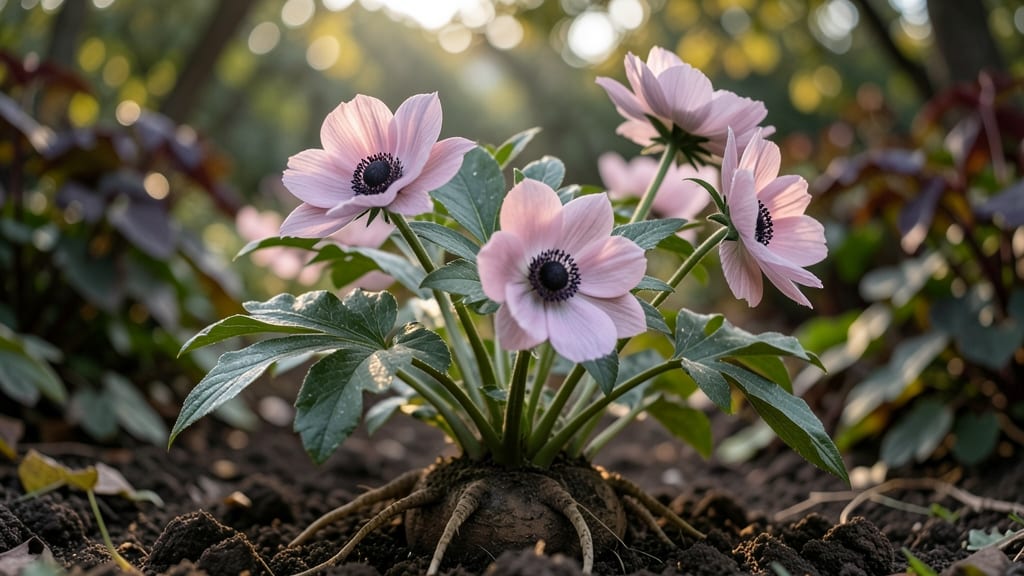
Fall is the perfect time to plant shade-loving bulbs that will reward you with vibrant blooms next spring. These 10 fast-growing, low-maintenance varieties thrive in partial to full shade, adding color and texture to your garden year after year.
Snowdrop Bulbs for Early Spring Color
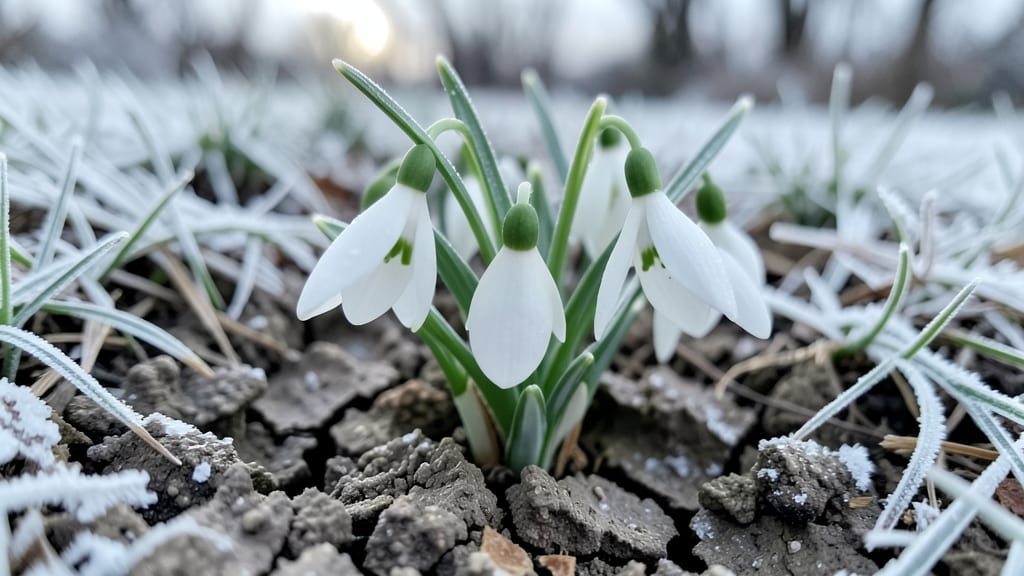
When you crave color in the bleakest winter months, snowdrop bulbs (Galanthus) deliver a magical surprise. These hardy perennials push through snow and frozen soil to reveal their delicate white, bell-shaped blooms as early as January—often before other spring flowers even think about waking up.
Plant them in deep shade where most bulbs struggle, and they’ll naturalize over time, forming dense colonies that carpet your garden with fragrant, nodding flowers. Snowdrops thrive in moist, well-draining soil and are deer-resistant, making them ideal for under trees or along shady borders. For best results, plant bulbs 6 inches deep and 4 inches apart in fall, then let nature take its course—minimal care is needed once established.
Perfect for woodland gardens, cottage-style beds, or even urban courtyards, snowdrops bring hope and beauty when the world feels grayest. 🌱
Crocus Bulbs for Woodland Garden Beauty
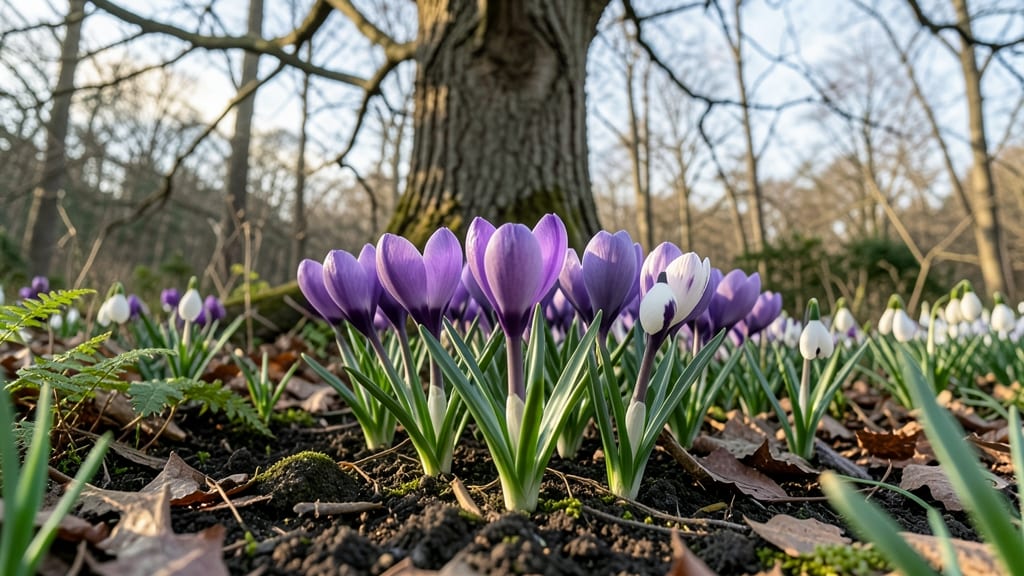
While snowdrops announce winter's end, crocus bulbs like 'Tommasinianum' and 'Bicolor' steal the show in early spring with their bold purple and white blooms. These woodland wonders thrive in dry shade, making them perfect for under trees or along north-facing walls where other plants struggle.
Plant these bulbs in fall for a reliable early spring display that attracts bees and butterflies. Their drought-tolerant nature means minimal watering once established, and they multiply over time, creating naturalizing drifts. The key is planting them just 2-3 inches deep in well-draining soil with a sprinkle of bone meal for extra vigor.
Ideal for woodland gardeners or anyone with shady spots, crocuses bring color when few other plants are blooming. Their cheerful faces will remind you that spring is coming—even in the darkest corners. 🌷
Bleeding Heart Bulbs for Dramatic Foliage
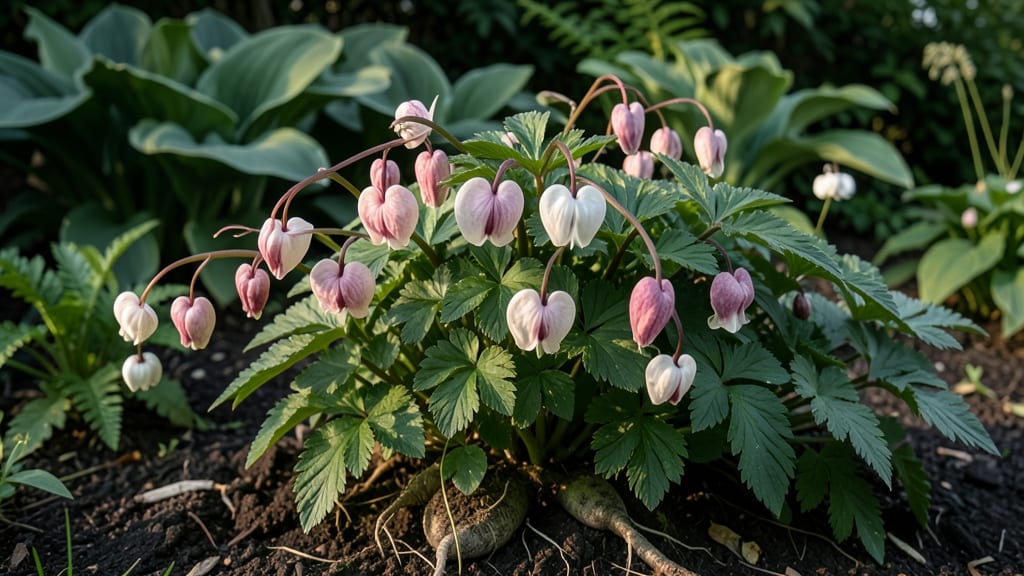
If you're looking for a shade-loving plant that delivers both striking flowers and lush foliage, bleeding heart (Dicentra spectabilis) is your answer. Unlike traditional bulbs, this tuber thrives in partial to full shade, producing delicate, heart-shaped blooms in soft pink, white, or even burgundy hues from late spring to summer.
Plant the tubers in well-draining soil with organic matter in early fall, about 3 inches deep and 6 inches apart. They prefer moist but not soggy conditions, making them perfect for woodland gardens or under deciduous trees. The foliage remains attractive even after blooms fade, providing year-round interest—ideal for gardeners who want both color and texture without high maintenance.
This plant is especially rewarding for urban gardeners or those with limited sun exposure, as it tolerates dry shade once established. Pair it with hostas or ferns for a classic woodland garden look. 🌿
Glory of the Snow Tulips
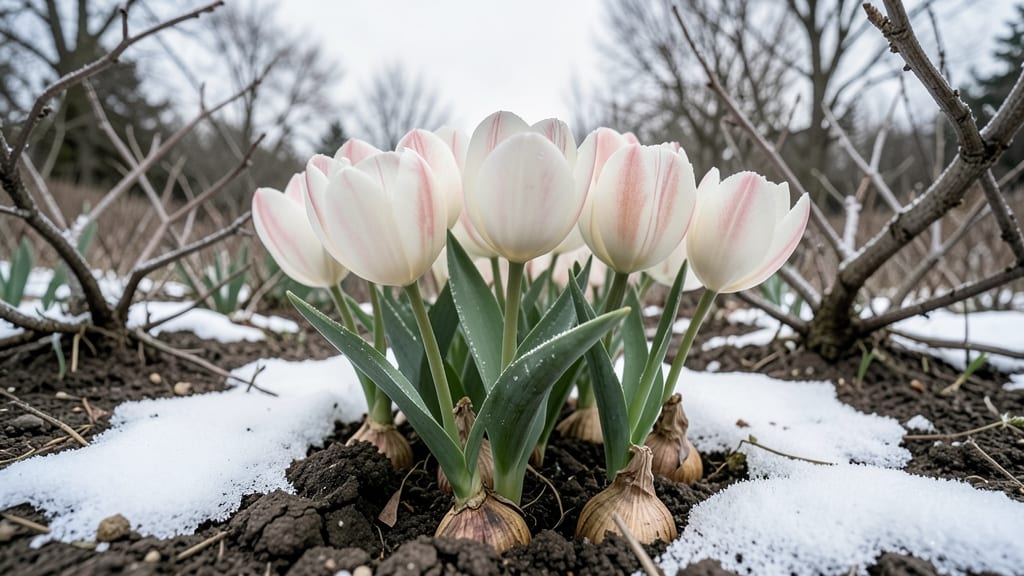
When your garden looks like a blank canvas in late winter, Glory of the Snow tulips (Tulipa tarda) arrive like a painter's first brushstroke—delicate, unexpected, and full of life. These hardy bulbs emerge through snow to reveal soft white and pink blooms, defying the chill with their cheerful presence in spots where other bulbs refuse to grow.
Perfect for shady borders under trees or along north-facing walls, these tulips thrive in partial to full shade and tolerate moist, well-drained soil better than most spring bulbs. Their slender stems reach 12-18 inches tall, creating vertical interest where hostas or ferns might sprawl. Plant bulbs 3-4 inches deep in fall, and enjoy blooms as early as February—often before snow has fully melted!
Gardeners with late-season shade gardens or small urban spaces will love how these tulips brighten dark corners without competing with other plants. Their early bloom time also makes them a favorite for pollinators emerging from winter dormancy. 🌷
Hellebore Bulbs for Winter Interest
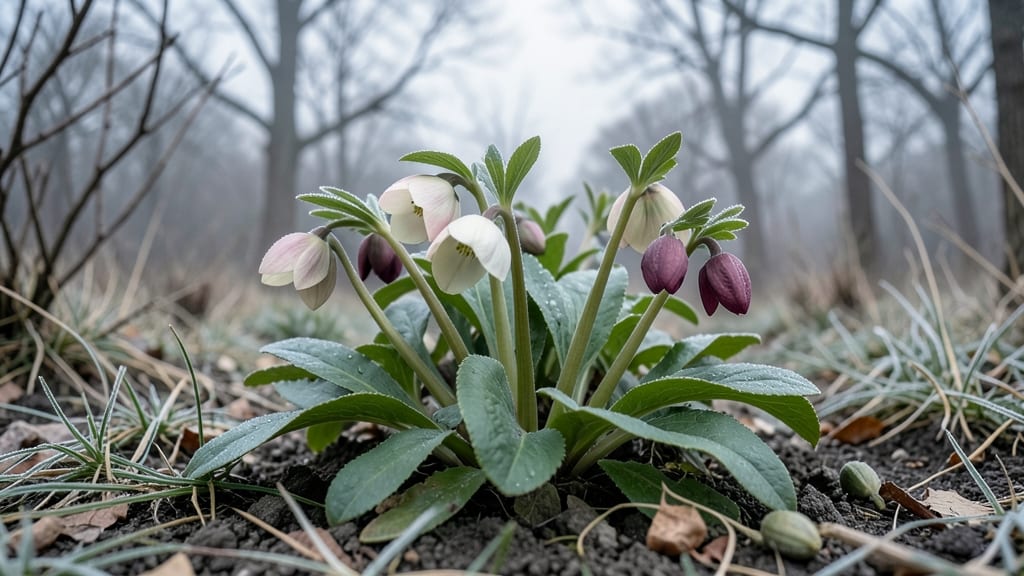
When your garden seems dormant under winter's grip, hellebores step in as the unsung heroes of late winter blooms. These Lenten roses defy seasonal norms by producing delicate, nodding flowers from January through March, often when most plants are still asleep.
Plant them in deep shade where other bulbs struggle, and you'll get stunning blooms in white, blush pink, or deep purple, along with glossy evergreen foliage that stays attractive year-round. Their drought-tolerant nature makes them perfect for low-maintenance gardens, and they naturalize beautifully over time. Simply plant the fleshy roots in well-draining soil and keep them moist during their first year.
Urban gardeners with shady patios or woodland gardeners will love how hellebores bring life to forgotten corners. Their unique flowers even attract early pollinators when little else is blooming. 💚
Allium Bulbs for Unique Shade Structure
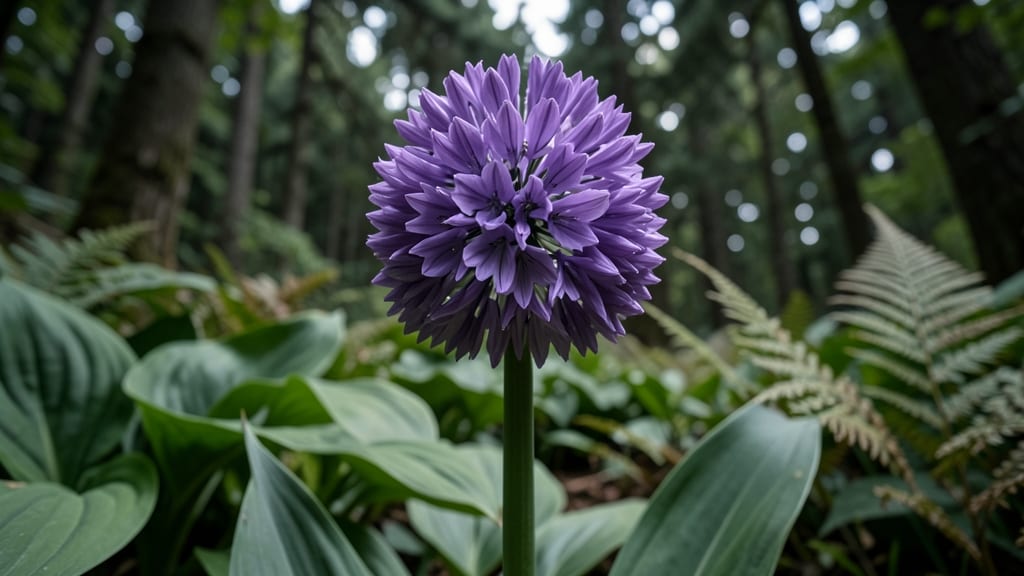
Looking for a shade bulb that adds drama without demanding full sun? Ornamental alliums like 'Globemaster' deliver spherical purple blooms that rise above hostas and ferns, creating vertical interest where other shade plants struggle.
These bulbs thrive in partial to full shade and produce striking 6-inch-wide globes on 3-foot stems in late spring to early summer. Their grass-like foliage stays attractive even after blooming, making them a low-maintenance structural plant. Plant bulbs 6-8 inches deep in well-draining soil for best results.
Perfect for gardeners who want bold height and texture without the fuss of sun-loving perennials, alliums pair beautifully with hostas and ferns while attracting pollinators. 🌻
Toad Lily Bulbs for Moist Shade Gardens
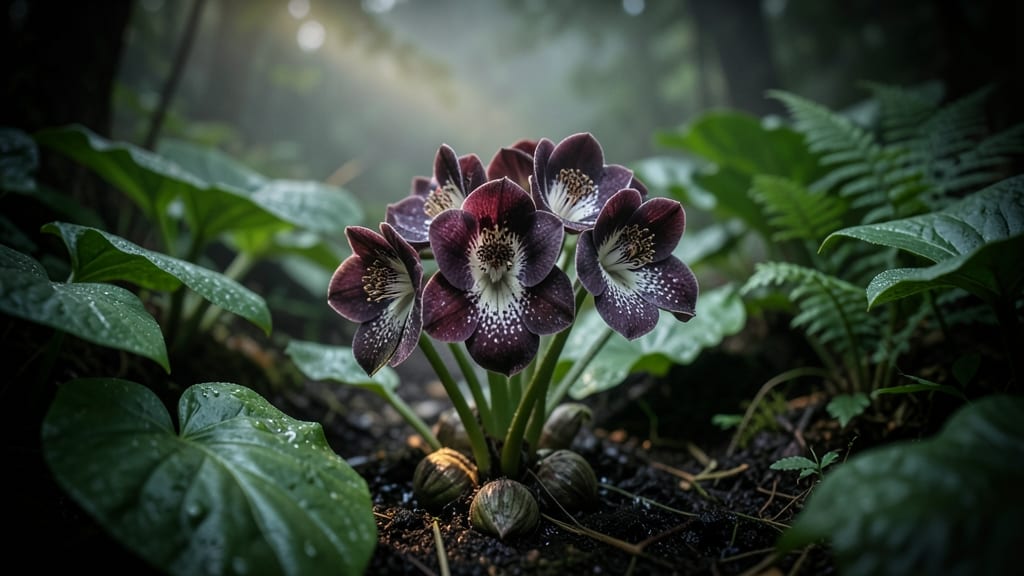
If your garden has a damp, shady corner that feels like a forgotten spot, toad lily (Tricyrtis) bulbs could be your secret weapon. Unlike most spring-blooming bulbs, these exotic beauties thrive where others struggle, delivering dramatic late-summer to fall flowers with intricate spotted petals that look like they belong in a fairy tale.
Plant these bulbs in moist, well-draining soil under trees or along woodland edges where other plants might wilt. The key to success is keeping the soil consistently damp but not soggy—think of them as the perfect companion for ferns and hostas. With their arching stems and unusual blooms, they add unexpected vertical interest to shady borders when most gardens are winding down for winter.
Perfect for gardeners who want to extend their seasonal color or fill tricky spots, toad lilies reward patience with their striking, almost otherworldly appearance. 🌿
Daffodil Bulbs for Bold Shade Color
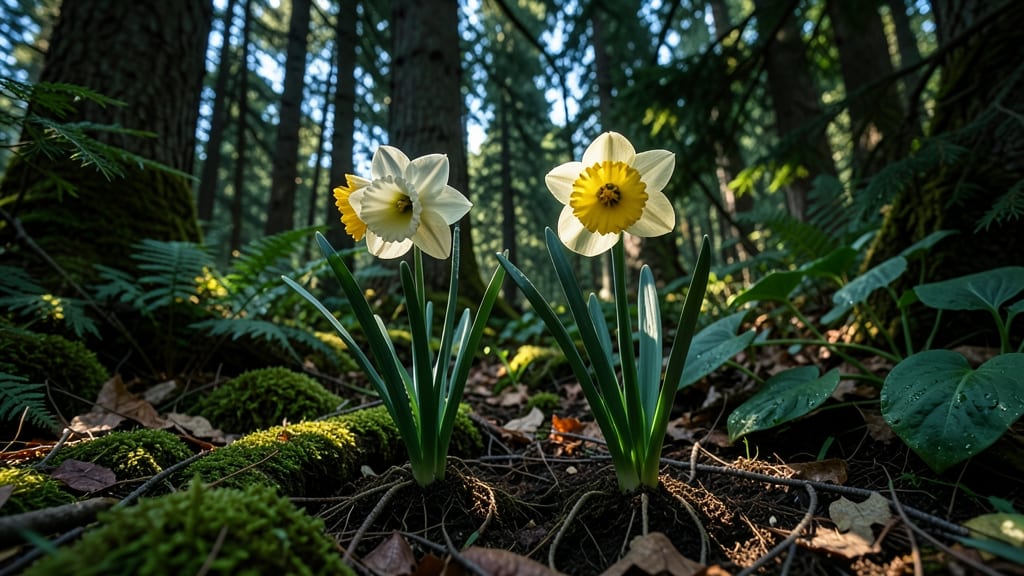
If your garden has dark corners where most bulbs refuse to thrive, shade-tolerant daffodils like 'Ice Follies' and 'Thalia' are your secret weapon. These cheerful yellow bloomers push through partial to full shade where other plants struggle, bringing instant spring color to forgotten spots.
Plant them in well-draining soil from September to November, and enjoy blooms that appear earlier than traditional daffodils. The bonus? Their toxic foliage naturally deters deer and pests, making them a low-maintenance choice for problem areas. These varieties handle moisture well, perfect for shady spots under trees or along north-facing walls.
Urban gardeners with limited sun or woodland gardeners will appreciate how these daffodils brighten dim spaces without sacrificing vibrancy. Their hardiness means fewer replacements over time. 🌻
Sweet Woodruff Bulbs for Fragrant Ground Cover
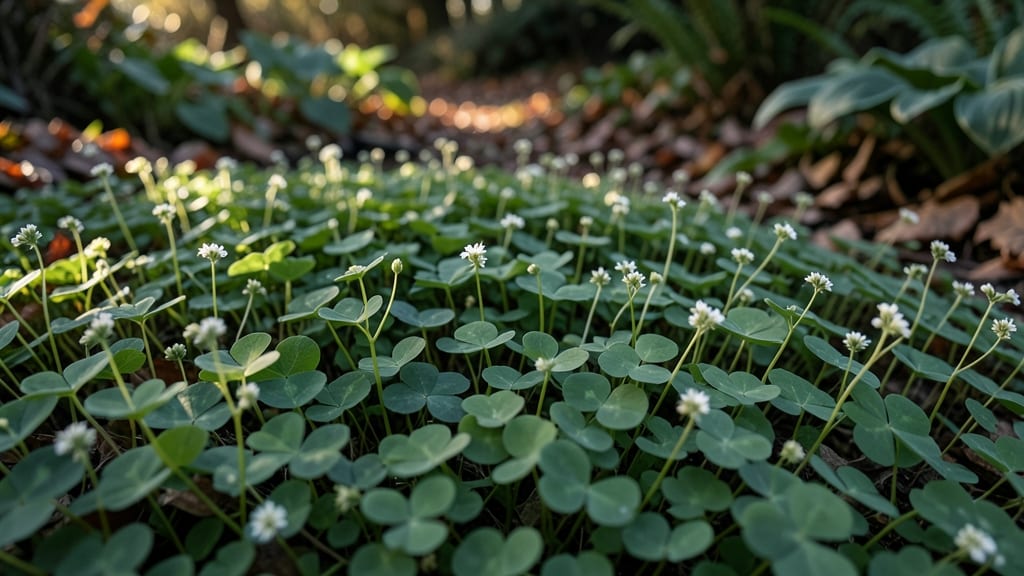
If you've ever wished for a garden that smells as good as it looks, sweet woodruff (Galium odoratum) is your secret weapon. This charming, low-growing perennial spreads effortlessly in shade, creating a fragrant carpet of lush foliage that releases a vanilla-like scent when brushed against—like nature's own air freshener.
Plant the rhizomatous roots in well-draining soil under trees or along borders where other plants struggle. It thrives in partial to full shade and tolerates dry conditions once established, making it ideal for low-maintenance gardens. In late spring, delicate star-shaped white flowers appear, followed by seed heads that add texture through summer. The scent intensifies when dried, so bundle stems for potpourri or scatter them in drawers for a natural fragrance.
Perfect for woodland gardeners, urban patio planters with shady spots, or anyone who loves sensory gardens, sweet woodruff turns forgotten corners into fragrant retreats. 💚
Japanese Anemone Bulbs for Late-Season Bloom

When your garden feels like it's winding down in late summer, Japanese anemone (Anemone hupehensis) steps in to extend the blooming season with its soft pink, daisy-like flowers. Unlike most shade plants that fade by August, this tuber thrives in partial to full shade, delivering cheerful blooms from August through October—just when many gardens are losing color.
Plant the tubers 2-3 inches deep in well-draining soil in early fall, spacing them 12-18 inches apart. They prefer moist but not soggy soil and pair beautifully with ferns, hostas, and other shade-loving perennials. Deadhead spent blooms to encourage more flowers, but leave the foliage until it yellows naturally to feed the tuber for next year's display.
Perfect for woodland gardens, urban patios, or any shady spot that needs a late-season lift, Japanese anemone is especially rewarding for gardeners who love low-maintenance plants that deliver big impact. 🌻