
Companion Plants
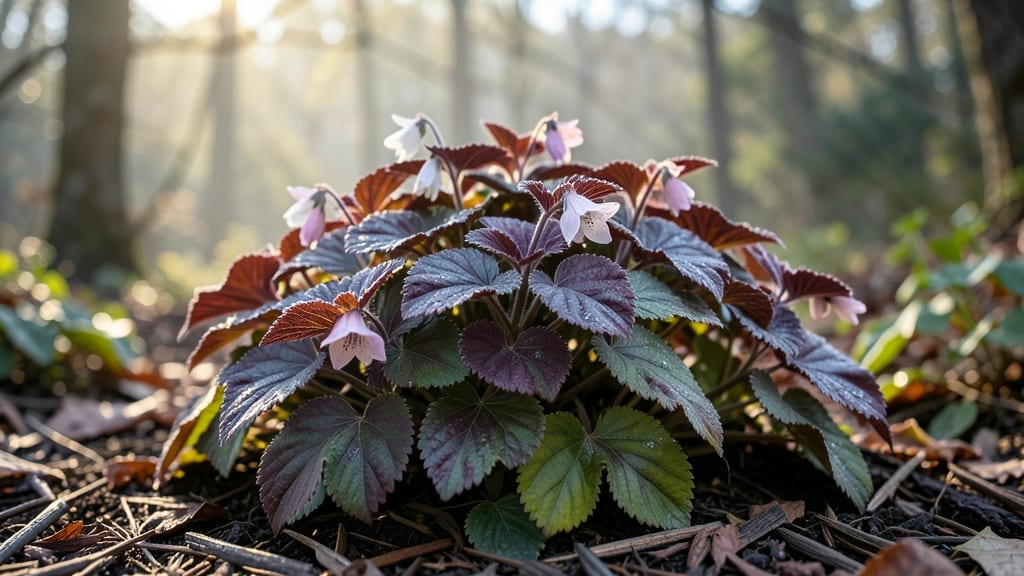
Struggling to keep your shady garden vibrant? These 10 hardy shade plants thrive in low light while delivering stunning foliage, blooms, and textures—no special care required. Perfect for under trees, north-facing walls, or dense shrubbery.
Hostas for Lush Green Ground Cover
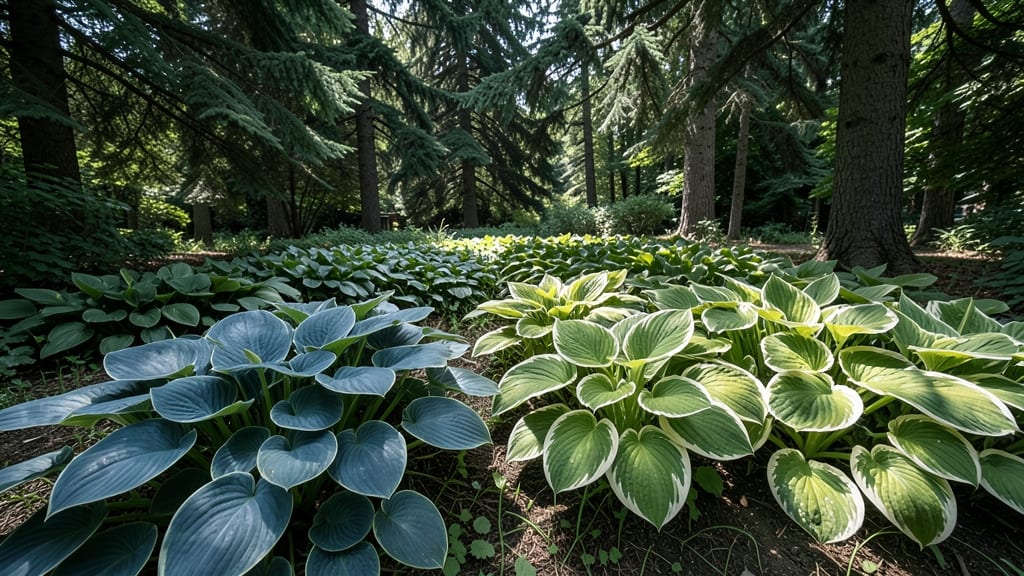
Tired of patchy, weedy ground cover in your shady garden? Hostas are the ultimate solution—these variegated-leaved workhorses spread effortlessly while smothering weeds and adding bold architectural interest to dark corners.
With over 3,000 varieties, you can choose from deep blues, chartreuse centers, or dramatic gold edges that catch the light. Plant them in partial to full shade with well-draining soil, and water only when the top inch feels dry. Their thick foliage naturally suppresses weeds, saving you hours of mulching.
Perfect for beginners, hostas deliver instant impact with minimal effort—ideal for borders, containers, or even as a living mulch under trees. Just watch for slugs in humid climates! 🌿
Hellebores with Winter Blooms
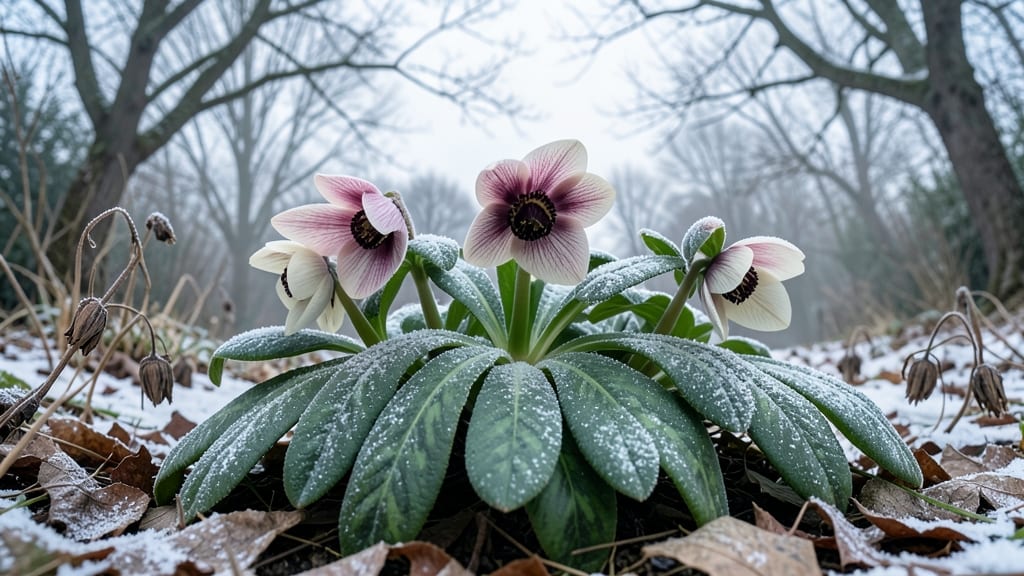
When your garden looks dormant under winter’s chill, helleborus (commonly called hellebores) prove nature’s defiance with their winter blooms. These elegant perennials burst into flower even when snow blankets the ground, offering a rare splash of color when most shade plants are asleep.
Plant them in partial to full shade where they’ll thrive for decades with almost no care—just mulch annually to retain moisture. Their deer-resistant foliage stays evergreen, making them ideal for problem areas. Choose from nodding blooms in white, pink, or purple for a dreamy woodland effect.
Perfect for gardeners who want year-round interest without fuss, hellebores reward patience with bold, long-lasting flowers that brighten the darkest corners. 🌷
Ferns for Textured Elegance
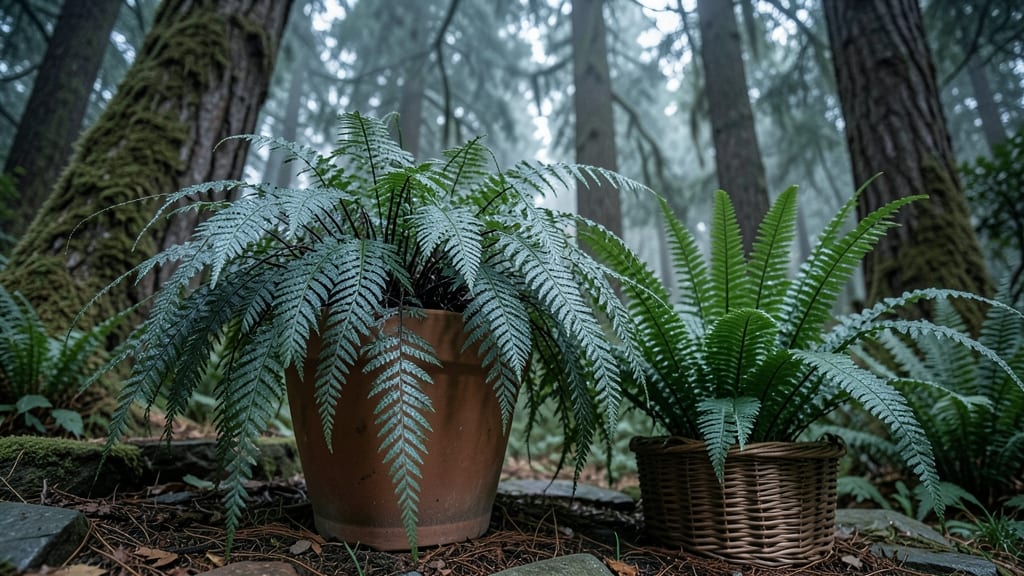
Skip the flowers—ferns bring lush, tropical texture to your shady spots without relying on blooms. Their delicate, feathery fronds create a woodland garden vibe even in deep shade, making them ideal for borders, containers, or understory planting.
Choose from varieties like maidenhair fern (with lace-like fronds) or ostrich fern (bold, arching fronds up to 5 feet tall). Most thrive in moist, well-draining soil** with partial to full shade, though some tolerate drier conditions once established. Prune spent fronds in early spring to encourage fresh growth.
Perfect for gardeners who love foliage over flowers, ferns add movement and depth to shady corners while requiring minimal care. 🌿
Astilbes with Plume-Like Flowers
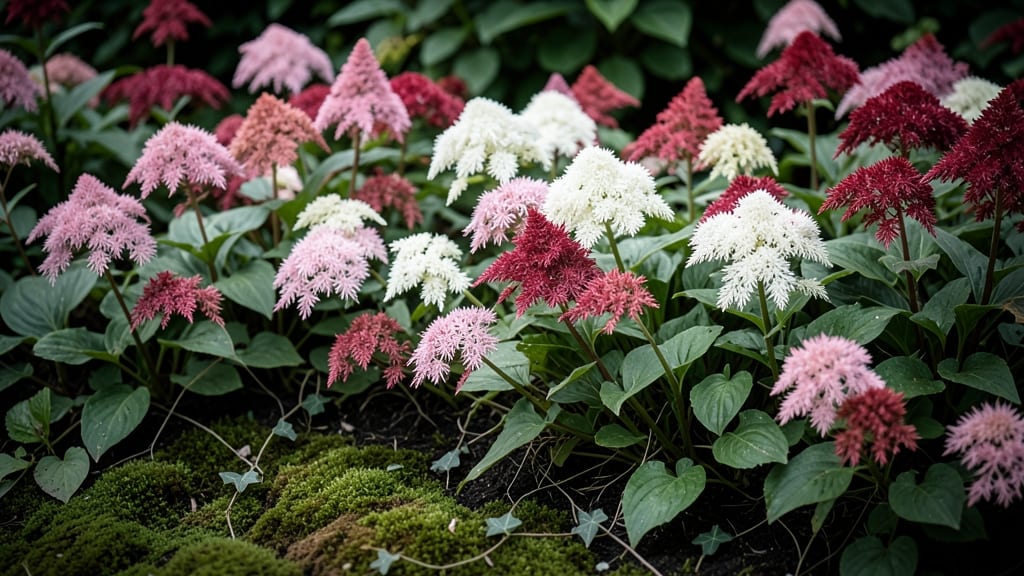
Transform those forgotten shady corners into a season-long floral show with astilbes—the ultimate shade garden superstar. Their feathery plumes in pink, white, or red bloom from early summer straight through fall, turning dull spots into lush, romantic displays.
Unlike picky shade plants, astilbes thrive in moist conditions where others wilt, making them perfect for woodland edges, under trees, or even rain gardens. Choose from varieties like 'Fanal' for deep magenta or 'Bridal Veil' for pure white—each plant produces dozens of plumes that sway gently in the breeze. For best results, keep soil consistently damp (but not soggy) and mulch to retain moisture.
City gardeners with limited space will love how astilbes work in containers or small borders, while cottage gardeners can use them to create dramatic, layered plantings. Their long bloom time ensures color when many other shade plants have faded—ideal for filling gaps in your seasonal palette. 🌟
Japanese Painted Ferns
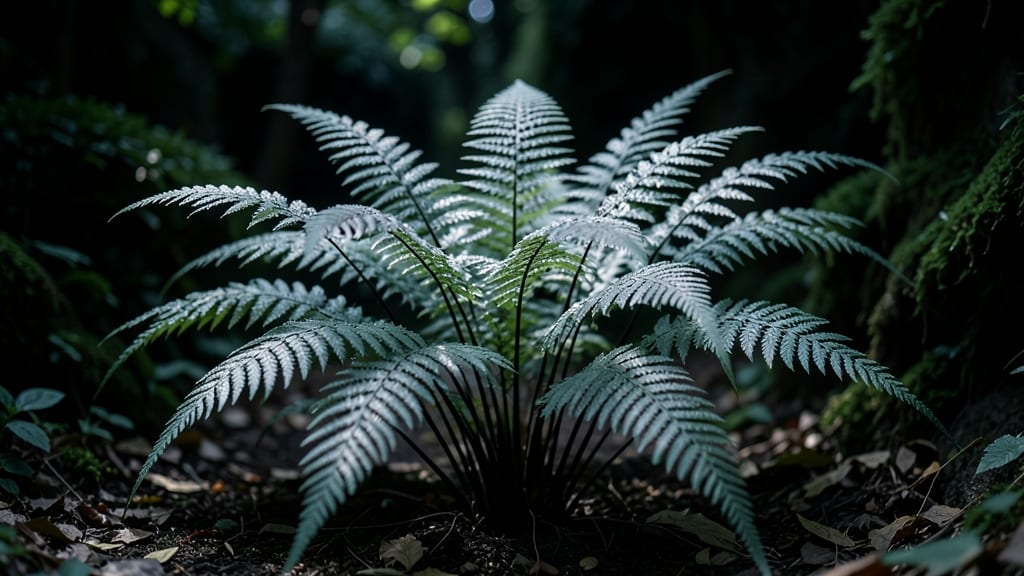
Looking for a shade plant that turns heads without needing sunlight? Japanese painted ferns deliver bold, artistic foliage that thrives where others fade. Their striking silvery-green and black fronds create natural contrast, making them perfect for adding drama to dark corners.
These ferns love consistently moist soil and partial to full shade, making them ideal for bog gardens, woodland edges, or understory planting. Unlike delicate ferns, they tolerate humidity and poor drainage while maintaining their vibrant colors year-round. Pair them with hostas or hellebores for a lush, layered look.
Urban gardeners and woodland enthusiasts will love how these ferns bring textural interest with minimal effort. Just keep the soil damp, and they’ll reward you with striking foliage that stands out in any shade garden. 💚
Lungwort for Healing Beauty
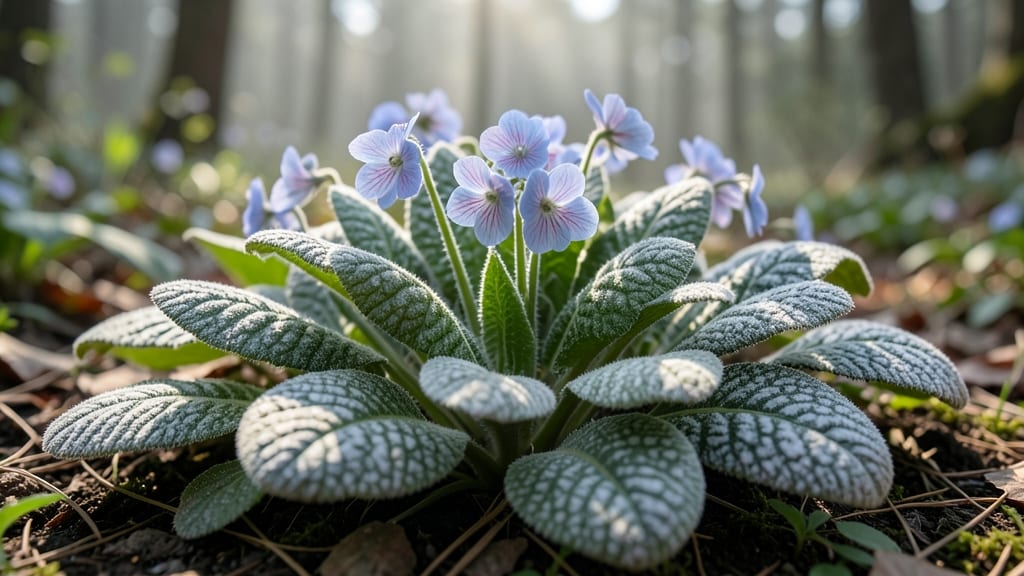
Looking for a shade plant that bridges history and healing? Lungwort (Pulmonaria) brings centuries of medicinal tradition to your garden with its distinctive silvery-spotted leaves and early blue spring blooms that pollinators adore.
This perennial thrives in partial to full shade, tolerating both dry and moist conditions once established. The leaves were historically used to treat lung ailments (hence the name), while modern gardeners love it for its year-round interest—silver foliage fades to green as summer progresses. Plant it in cottage gardens, woodland edges, or alongside other pollinator-friendly shade plants like hellebores.
Herbalists and cottage gardeners will appreciate its dual role as both a healing plant and a striking ornamental. 🌿
Bleeding Heart Vine
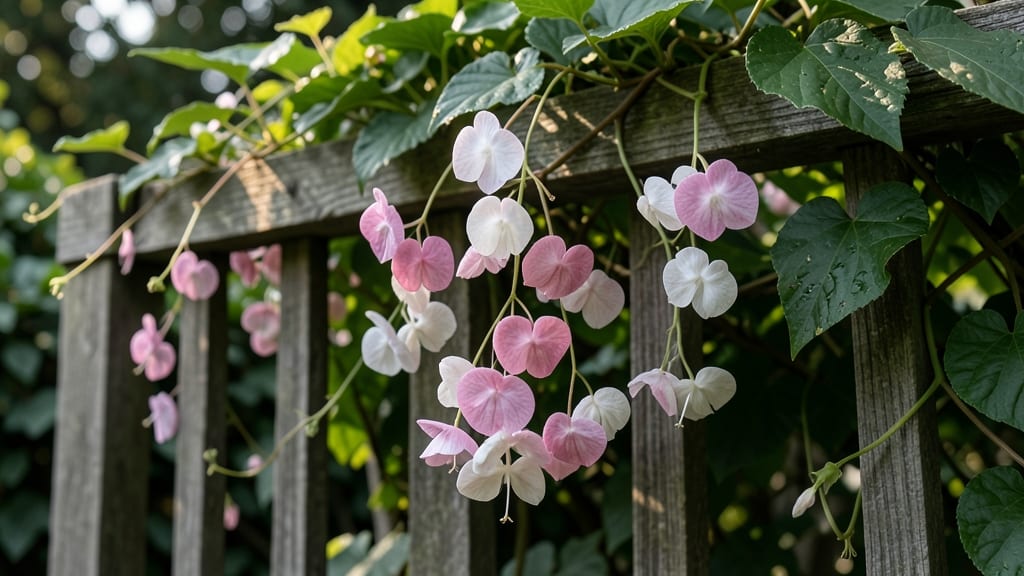
Transform your shady garden into a romantic retreat with bleeding heart vine (Dicentra spectabilis), a shade-loving perennial that drapes cascading clusters of heart-shaped pink or white flowers over trellises, fences, or steep banks. Unlike many shade plants, it delivers its most dramatic display in spring and early summer, then gracefully retreats—only to bounce back even stronger the following year.
This hardy shade plant thrives in moist, well-drained soil under dappled sunlight or full shade, making it ideal for woodland gardens or north-facing walls. Its fern-like foliage adds texture even when not in bloom, and it’s deer-resistant once established. For best results, plant in early spring and provide support for its trailing stems—it rewards patience with a dreamy, cottage-garden aesthetic.
Perfect for gardeners who love seasonal drama without year-round maintenance, bleeding heart vine is especially stunning when paired with hostas or ferns. Its temporary retreat in summer creates anticipation for its triumphant return. ✨
Solomon’s Seal for Arching Grace
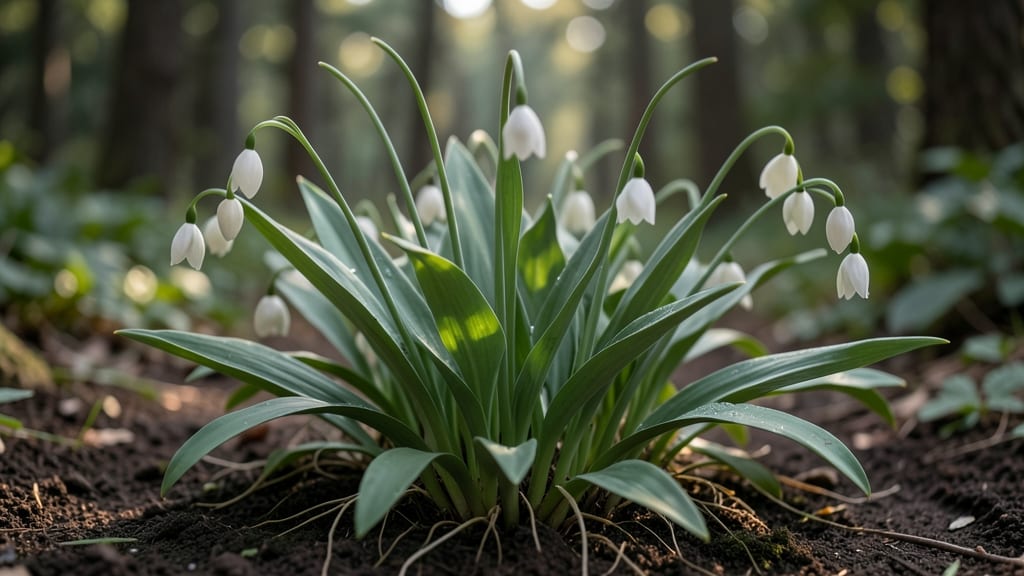
If you crave vertical drama in shady spots without the fuss of tall structures, Solomon’s Seal (Polygonatum) delivers effortless elegance with its arching stems and dangling white bell-shaped flowers. Unlike finicky shade plants, this perennial thrives in both dry and moist conditions, making it the ultimate problem-solver for tricky garden corners.
The plant’s graceful curved stems reach 2–3 feet tall, creating natural movement that draws the eye upward. Its slow-spreading habit fills gaps over time without crowding neighbors, while the late spring blooms attract pollinators like hummingbirds. For best results, plant in partial shade** (3–6 hours of sun) and prune stems after flowering to encourage bushier growth next year.
Urban gardeners and woodland lovers will adore its adaptability—it’s perfect for understory planting, container edges, or as a low-maintenance border. The year-round interest (even when not in bloom) makes it a standout for minimalist yet sophisticated shade gardens. ✨
Sweet Woodruff for Fragrant Ground Cover
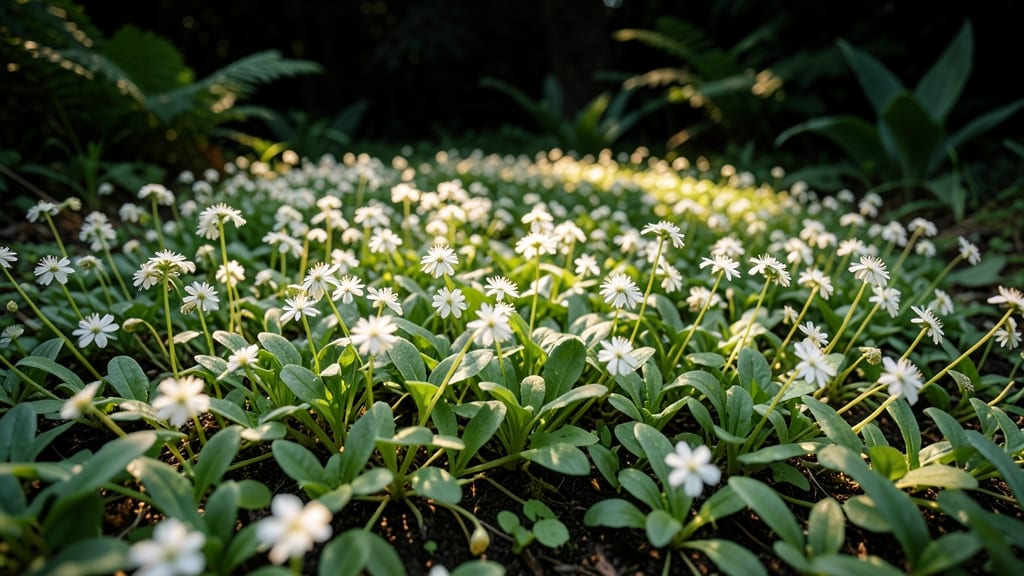
Want a fragrant, weed-suppressing ground cover that thrives in shade? Sweet woodruff delivers a lemony aroma when crushed, along with delicate white flowers that brighten dark corners. This low-growing perennial spreads gently to outcompete weeds while creating a lush, fragrant carpet perfect for understory planting.
Plant it in partial to full shade with moist, well-draining soil—ideal for woodland gardens, under trees, or along shady pathways. Its spring blooms attract early pollinators, and the foliage remains attractive until summer. Use it as a living mulch to reduce maintenance while adding a subtle citrus scent to your garden.
Perfect for urban gardeners or anyone who loves sensory gardens, sweet woodruff is a fragrant, low-maintenance solution for shady spots. 🌱
Coral Bells for Season-Long Color

Want a shade plant that delivers bold color and texture without demanding constant attention? Coral bells (Heuchera) are your secret weapon—offering foliage in purple, silver, or chartreuse that stays vibrant all season, plus delicate summer blooms to top it off.
These perennials thrive in partial to full shade, making them perfect for dark corners where other plants struggle. Choose compact varieties like 'Palace Purple' for deep burgundy leaves or 'Lime Rickey' for bright chartreuse. They’re equally happy in containers or garden beds, and their slow-spreading habit prevents them from becoming invasive. Just keep soil well-draining and water moderately—drought-tolerant once established.
Urban gardeners and small-space enthusiasts will love how coral bells add year-round interest with minimal fuss. Pair them with ferns or hostas for a lush, layered look that brightens even the shadiest spots. 🌻