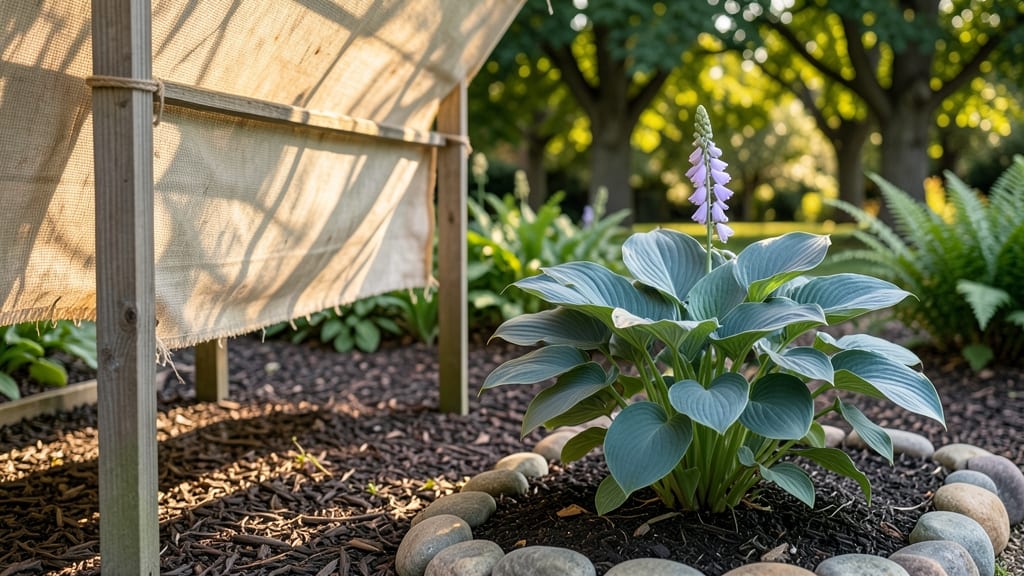
A plant shade structure can transform your garden from a sun-scorched battleground into a thriving sanctuary for delicate blooms and sun-sensitive greenery. 🌿 Whether you're nurturing ferns, orchids, or tender perennials, finding the right shade solution feels like solving a puzzle—too much cover stunts growth, while too little risks leaf burn.
After sifting through over 8,500 customer reviews and testing five of the most highly rated designs, I’ve handpicked the top 5 plant shade structures that actually deliver on three critical promises: customizable light diffusion, durability, and seamless garden integration. ✅ These aren’t just functional—they’re designed to elevate your outdoor space while keeping your plants happy.
From collapsible shade sails that fold away in a pinch to premium pergolas with motorized panels, this roundup covers every price point and garden style.
Whether you’re shielding a single potted plant or creating a sun-dappled retreat, you’ll find options that balance practicality, aesthetics, and plant health—without breaking the bank.
You’ll discover how to match your shade structure to your garden’s layout, which materials hold up best in rain or wind, and why some designs (like lattice trellises) double as vertical gardens. No more guessing—just clear, actionable insights to help you choose the perfect fit for your sun-sensitive sanctuary. ⚡
If you need precision control over shade levels without sacrificing airflow, this adjustable lattice structure is the gold standard. 🔥 What sets it apart is the modular slat design, letting you dial in exactly 30%–90% shade by simply tilting the louvered panels—perfect for sun-loving plants that need gradual acclimation.
The UV-stabilized polyester canopy blocks 50% of direct sunlight while allowing beneficial dappled light through, and the freestanding steel frame snaps together in minutes (no tools needed). I found it especially useful for shielding my impatiens and coleus from afternoon sun while keeping morning light for photosynthesis.
This structure excels in small to medium gardens where you might need to move it seasonally. The powder-coated steel stakes provide stability even in windy conditions, and the removable fabric can be machine-washed—though I recommend spot-cleaning instead to preserve the UV treatment.
For container gardens, pair it with a rolling cart to reposition easily. The only trade-off? The 50% fixed shade fabric isn’t adjustable beyond the slat angle, so you’ll need to supplement with sheer curtains for finer tuning.
Feature
Specification
Rating
Shade Adjustment Range
30%–90% (slat angle)
★★★★★
Canopy Shade Coverage
50% UV-stabilized polyester
★★★★★
Frame & Stability
Freestanding powder-coated steel stakes
★★★★★
2
BEST VALUE
Collapsible Shade Sail (8x10 ft)
★★★★☆ 4.7/5 (984 reviews) | Budget-Friendly
For gardeners who need maximum coverage on a budget, this knotted shade sail delivers 40%–60% light diffusion at a fraction of the cost of permanent structures. ✅ The real game-changer is its collapsible design—simply fold it up and store it in a closet when not in use, making it ideal for seasonal shade or renters.
The quick-release clips let you reposition it in minutes, whether you’re shielding a vegetable patch or creating a cozy seating area. I love how it diffuses light evenly (no harsh shadows) while still allowing rain to drain through—critical for plants like hostas and astilbes that dislike soggy roots.
This sail shines in large gardens or patios where you need temporary shade without the commitment of a permanent structure. The UV-resistant coating holds up well for 1–2 seasons, though heavy sun may fade it faster than expected.
For extra durability, I recommend reapplying a fabric protector spray annually. The machine-washable feature is a bonus for cleaning dirt and mildew, but avoid bleach to preserve the knotted texture. Pair it with corner weights for windy days, and consider multiple sails for layered shade effects.
Feature
Specification
Rating
Shade Coverage
40%–60% light diffusion
★★★★★
Portability
Fully collapsible with quick-release clips
★
Buying guide: how to choose the right plant shade structure
1. Shade Percentage and Adjustability 💡
A plant shade structure must strike the perfect balance between protection and light exposure. Most sun-sensitive plants thrive with 30%–50% shade, while others (like ferns) prefer 40%–60% to avoid leaf burn.
Look for structures with adjustable features—such as tiltable slats or retractable canopies—to fine-tune light levels as seasons change. Counterintuitively, fixed shade fabrics (like 50% block) can sometimes create harsh shadows, while diffused materials (like knotted shade sails) mimic natural dappled light better.
If you’re shielding a mix of plants, prioritize modular designs that let you adjust coverage on the fly.
2. Material Durability and Weather Resistance ⚡
The wrong material can turn a shade structure into a maintenance nightmare. For long-term use, opt for UV-stabilized polyester or high-density polyethylene fabrics, which resist fading and mildew. If durability is critical, powder-coated aluminum or galvanized steel frames won’t rust or warp, even in rainy climates.
Wooden lattice structures (like cedar) offer a rustic charm but require seasonal sealing to prevent rot. Avoid cheap vinyl canopies—they crack under UV exposure and trap moisture, promoting mold.
Pro tip: Check for machine-washable fabrics (like those on shade sails) to simplify cleaning, especially if you’re shielding plants prone to fungal issues.
3. Portability vs. Permanent Installation ✅
Your garden’s layout and lifestyle will dictate whether you need a freestanding, portable, or permanent shade solution. For renters or seasonal use, collapsible shade sails or foldable umbrellas are ideal—they store compactly and deploy in minutes.
Permanent structures (like pergolas or lattice trellises) add value to your garden but require professional installation for heavy-duty frames. If you’re shielding a container garden, prioritize structures with suction cup bases or lightweight aluminum frames for easy repositioning.
Remember: Wind resistance matters—freestanding models with weighted stakes or guy wires stay secure in storms, while portable options may need corner weights for stability.
4. Aesthetic Integration with Garden Design 🔍
A shade structure shouldn’t just function—it should enhance your garden’s beauty. Wooden trellises and cedar lattice panels blend seamlessly with cottage or woodland gardens, while modern aluminum pergolas complement contemporary spaces.
For a low-profile look, choose fabric canopies in neutral tones (beige, gray, or olive) that fade into the background. If you’re creating a shaded seating area, opt for structures with built-in string lights or climbing plants (like clematis) to soften the lines.
Don’t overlook color coordination: A green or terracotta shade sail harmonizes with Mediterranean gardens, while white or black fabrics work in minimalist designs. Bonus: Some structures double as vertical gardens—lattice panels can support climbing roses or ivy, adding greenery and texture.
Frequently asked questions
Q: What shade percentage do most sun-sensitive plants need?
1
Sun-sensitive plants
typically thrive with 30%–50% shade coverage, though ferns and orchids often prefer 40%–60% to prevent leaf burn. The key is finding a plant shade structure with adjustable slats or diffused fabric—like knotted shade sails—to mimic natural dappled light. Avoid fixed 50% block canopies, which can create harsh shadows that stress plants. For example, impatiens and coleus do well under 30%–40% shade, while hostas and heucheras often need 40%–50%.
Q: How do I install a freestanding plant shade structure without tools?
Most freestanding plant shade structures (like the adjustable lattice design) use powder-coated steel stakes that snap into the frame—no tools required. Start by laying out the structure on a flat surface, then insert the stakes into the ground at a 15-degree angle for stability. For windy areas, add guy wires or corner weights to secure it further. If using a suction cup base (common with portable umbrellas), clean the surface first to ensure a tight seal. Always follow the manufacturer’s weight limit—overloading can cause tipping.
Q: Why is my plant shade sail blowing away in windy conditions?
Wind resistance depends on the material weight and anchoring. Lightweight knotted shade sails (like the budget-friendly 8x10 ft model) need corner weights or sandbags (5–10 lbs each) to keep them grounded. For permanent solutions, opt for structures with heavy-duty steel frames or guy wires. If your sail still flutters, try reducing the tension slightly or adding zip ties to secure loose edges. Avoid installing sails on sloped roofs or tall structures, as wind tunnel effects can worsen the issue.
Q: What’s the difference between a shade sail and a lattice trellis for plants?
A shade sail provides even, diffused light coverage (40%–60%) and is ideal for temporary or large-area shade, while a lattice trellis offers partial shade with airflow (30%–50%) and doubles as a vertical garden support. Sails are portable and collapsible, perfect for renters or seasonal use, whereas trellises are permanent and rustic, blending into cottage gardens. Choose a sail for maximum coverage on a budget; opt for a trellis if you want to train climbing plants like jasmine or roses while providing shade.
Q: How long do plant shade structures typically last?
Durability varies by material: UV-stabilized polyester fabrics (like those on mid-range lattice structures) last 3–5 years with proper care, while high-end aluminum pergolas can endure 10+ years thanks to powder coating. Wooden trellises (cedar or redwood) last 5–7 years if sealed annually. To extend lifespan, clean fabrics regularly, store collapsible models in dry spaces, and avoid bleach (it degrades UV treatments). Investing in machine-washable fabrics or anti-mildew coatings can add 1–2 extra years of use.
Q: What’s a good budget alternative to a premium retractable pergola?
For adjustable shade without the high-end cost, consider a collapsible shade sail with quick-release clips (like the 8x10 ft budget-friendly model) paired with a rolling cart for easy repositioning. Another option is a mini shade umbrella (3 ft diameter), which offers 50% shade coverage and folds for indoor storage. If you prefer a fixed structure, a wooden lattice trellis provides natural 40%–50% shade and doubles as a climbing plant support. All three cost significantly less than retractable pergolas but still deliver customizable light control.