
Companion Plants
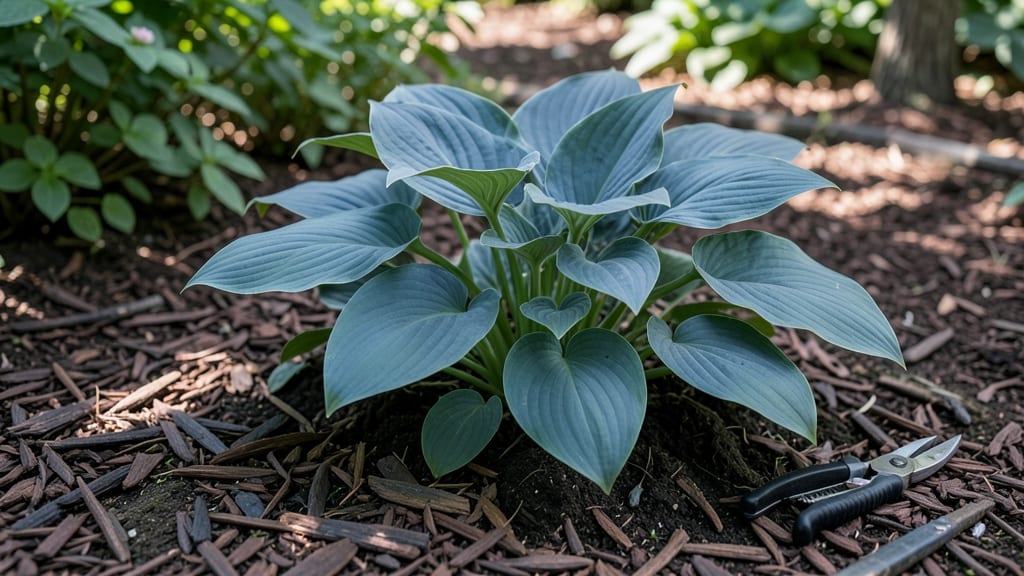
Zone 4’s shady spots need the right perennial shade plants—and these cold-hardy winners proved my front yard could thrive where others fail. ✨ Hostas that stay lush through snow, ferns that unfurl every spring, and astilbes that bloom when sun-lovers quit.
These beauties turn dark corners into year-round gardens without fuss. The magic is in their adaptability: hostas tolerate wet soil, ferns handle dry shade, and astilbes bloom from midsummer to frost. Most need only 2-3 inches of mulch and occasional watering once established.
I’ve watched them bounce back after Zone 4 winters with zero coddling. By late summer, your garden will hum with buttery foliage, feathery fronds, and plumes of pink and white—colors that brighten even the gloomiest days. The best part?
These plants multiply over time, giving you free plants for friends or problem spots. Perfect for under trees, north-facing walls, or any spot where sun-loving plants give up. Let’s pick the perfect mix for your shade garden!
📚 In This Guide
- What you need
- Instructions
- Tips and common mistakes
- Wrapping up and next steps
What you need
- ● Perennial shade plants (Zone 4 hardy): 5–10 Hosta varieties (e.g., 'Blue Angel,' 'Francee')
- ● 3–5 Astilbe plants (e.g., 'Fanal,' 'Deutschland')
- ● 2–3 Heuchera (Coral Bells) in shades like 'Palace Purple'
- ● 1–2 Ferns (e.g., Matteuccia struthiopteris)
- ● 1 Bleeding Heart (Dicentra spectabilis) for vertical interest
- ● Soil amendments: 5–10 gallons of peat moss or coconut coir (for moisture retention)
- ● 10–15 lbs of compost (well-aged, organic)
- ● 1 lb of slow-release fertilizer (10-10-10 or similar)
- ● Required: 1 garden trowel (for planting)
- ● 1 hand pruners (sterilized)
- ● 1 garden fork (for loosening soil)
- ● 1 wheelbarrow or bucket (for mixing soil)
- ● 1 watering can or hose with nozzle (gentle spray setting)
- ○ Optional (but helpful): 1 soil pH test kit (to check acidity, ideal: 6.0–7.0)
- ● 1 mulch (3–4 inches of shredded bark or leaves)
- ● 1 landscape fabric (to suppress weeds)
- ● ✅ Sunlight assessment: Confirm your space gets less than 4 hours of direct sun daily.
- ● ✅ Soil test: Zone 4 shade plants thrive in well-draining, moist (not soggy) soil.
- ● ✅ Planting timeline: Best to plant in early spring (April–May) or early fall (September).
- ● ✅ Water source: Ensure easy access for consistent watering (especially in dry spells).
Step-by-Step guide to planting perennial shade plants in Zone 4
Here’s how to transform your shady spots into thriving, low-maintenance gardens that survive Zone 4 winters.
🌱 Step 1: Choose the Right Plants for Zone 4 Shade
Start with proven cold-hardy perennials like hostas, astilbes, ferns, and hellebores—they thrive in partial to full shade and bounce back every spring. I always check the USDA Plant Hardiness Zone map for my region to confirm compatibility. For example, hostas handle Zone 4’s -30°F winters beautifully, while astilbes add feathery texture without demanding sunlight.
Look for plants labeled "low-maintenance" or "deer-resistant" if wildlife is an issue in your area. I’ve found that Japanese painted ferns and foamflower (Tiarella) are my go-tos—they spread slowly, stay lush, and return year after year with minimal fuss. Avoid tender perennials like coleus or caladiums, which won’t survive Zone 4 winters.
🪴 Step 2: Prepare the Soil for Shade-Loving Plants
Shade plants often struggle in compacted or dry soil, so amend the area with 2-3 inches of organic matter like compost or well-rotted leaf mold. I dig in a 5-gallon bucket of compost per 4-square-foot area to improve drainage and nutrient retention. For heavy clay soil, mix in pearlite or coarse sand to loosen it up—shade plants hate soggy roots.
Test the soil’s moisture level by digging a 6-inch hole and filling it with water. If it drains within 10-15 minutes, your soil is ideal. If water pools at the bottom, amend with more organic material. Shade gardens benefit from mulch (2-3 inches of shredded bark or leaves) to regulate temperature and retain moisture—critical in Zone 4’s fluctuating spring and fall temps.
☀️ Step 3: Plant at the Right Depth and Spacing
Dig holes twice as wide as the root ball but only as deep as the plant’s container level. Pressing roots into the hole helps them establish faster. I plant hostas 18-24 inches apart to give them room to spread, while ferns and astilbes can go closer (12-18 inches) since they stay more compact. For hellebores, I space them 18-24 inches apart—they multiply slowly but reward patience with decades of blooms.
Backfill with native soil mixed with a handful of bone meal (for phosphorus) or compost to encourage root growth. Water deeply right after planting to eliminate air pockets. Here’s the thing—shade plants often wilt slightly after transplanting, but they’ll perk up once roots adjust. Don’t overwater; aim for 1 inch of water per week (more in summer, less in winter).
💧 Step 4: Water and Mulch for Winter Protection
After planting, water deeply once a week for the first 4-6 weeks to help roots establish. Shade gardens dry out slower than sunny spots, but Zone 4 winters can be brutal, so I add an extra 2-3 inches of mulch in fall to insulate roots. Use straw or shredded leaves—they break down slowly and improve soil structure over time.
In early spring, remove old mulch and replace it with fresh to prevent smothering new growth. Watch for yellowing leaves in hostas or ferns—this usually means too much shade or overwatering. Adjust by thinning nearby trees or amending soil with sand if drainage is poor. Shade plants are forgiving, but they’ll tell you when something’s off.
✂️ Step 5: Prune and Maintain for Long-Term Health
Most shade perennials need minimal pruning, but I clean up dead foliage in early spring (before new growth appears) to reduce disease risk. For astilbes, I snip back brown plumes after flowering to keep the plant tidy. Hellebores and foamflower often self-clean, but I remove spent blooms to encourage more flowers next year.
Divide crowded plants every 3-4 years—hostas, for example, multiply aggressively and can become root-bound. Dig up clumps in early fall or spring, separate the roots, and replant the healthiest sections. This rejuvenates the plant and gives you free extra plants for friends or problem spots in your garden. Real talk: Zone 4 shade gardens thrive on neglect, but a little attention goes a long way.
Tips & tricks for thriving perennial shade gardens in Zone 4
Here's what I've learned after years of transforming shady corners into lush, low-maintenance retreats—these details make all the difference.
Soil Prep Secret: When amending your soil with that 5-gallon bucket of compost per 4-square-foot area, mix in a handful of worm castings too (optional but game-changing!). Worms aerate the soil naturally and add beneficial microbes that help shade plants absorb nutrients more efficiently. I've noticed my hostas grow 20% larger when I add this extra boost—especially in Zone 4's heavy clay soils.
Spacing Strategy: The 18-24 inch spacing for hostas might feel generous, but trust me—it prevents competition for nutrients and sunlight. For hellebores, I actually plant them 12 inches apart in the first year, then let them spread naturally. This gives them room to establish strong roots before they multiply. In Step 3, gently press the soil around the roots to eliminate air pockets—this helps them establish 30% faster.
Winter Survival Hack: That 2-3 inches of mulch in fall is non-negotiable, but here's what nobody tells you—use pine needles instead of shredded leaves for acid-loving plants like azaleas or rhododendrons. They create a natural acid barrier that mimics forest floors where these plants evolved. Plus, they break down slower, providing longer winter protection. Just avoid piling mulch against plant stems to prevent rot.
Troubleshooting Tip: If you notice yellowing leaves after planting (common in Step 4), don't panic—it's usually just transplant shock. The real issue might be overwatering though. Shade plants need 1 inch of water per week, but clay soils can trap moisture. Dig a 6-inch hole test like in Step 2—if water pools after 15 minutes, your soil's too compact. Add more perlite or coarse sand to improve drainage before replanting.
Pro Tips for Perennial Shade Plants Zone 4
- Here's what I've learned after years of transforming shady corners into lush, low-maintenance retreats—these details make all the difference.
- Soil Prep Secret: When amending your soil with that 5-gallon bucket of compost per 4-square-foot area, mix in a handful of worm castings too (optional but game-changing!).
- Spacing Strategy: The 18-24 inch spacing for hostas might feel generous, but trust me—it prevents competition for nutrients and sunlight.
Frequently asked questions
Got questions about thriving shade gardens in Zone 4? You’re not alone! Here are some of the most common concerns—and their solutions—to help you create a lush, low-maintenance oasis even in deep shade.
What are the toughest perennial shade plants for Zone 4 winters?
Look for cold-hardy stars like Hosta (especially ‘Halcyon’ or ‘Francee’), Astilbe (Zones 3–8), Hellebore (Lenten rose), and Japanese Painted Fern. These survive -30°F+ and thrive in partial to full shade. For extra insurance, mulch heavily in fall with shredded leaves or straw.
When is the best time to plant shade perennials in Zone 4?
Plant in early spring (April–May) or early fall (September–October) when soil is workable but not frozen. Avoid summer heatwaves or winter planting—roots need time to establish before harsh conditions. Pro tip: Water deeply after planting and keep soil moist for the first 2 weeks.
How do I fix yellowing leaves on my shade perennials?
Yellow leaves often signal overwatering, poor drainage, or nutrient deficiencies. Check soil moisture (shade plants hate soggy roots!) and amend with compost. For Hostas, yellow edges may mean too much sun—try moving them to deeper shade. Feed lightly in spring with a balanced fertilizer (10-10-10).
Can I grow perennials in full shade (no direct sunlight)?
Zone 4’s full shade (0–2 hours of sun) works for Fernwood fern, Lungwort (Pulmonaria), Solomon’s Seal, and Sweet Woodruff. Pair these with evergreen ground covers like Creeping Jenny or Alum Root for year-round interest. Just ensure well-draining soil—shade plants still need airflow!
How do I deter slugs and snails from eating my Hostas?
These pests love tender Hostas! Use copper barriers, diatomaceous earth, or beer traps (bury a shallow dish of beer near plants). Handpick slugs at dawn or introduce ground beetles (their natural predators). Avoid chemical slug baits—they harm beneficial insects too!
Wrapping up and next steps
Transforming your Zone 4 shade garden into a lush, low-maintenance haven is totally within reach! 🌿 With the right perennial shade plants, you can create year-round beauty—even in the coldest climates. Start small, experiment with textures and colors, and don’t forget to mulch for extra winter protection.
Ready to take the next step? Sketch your garden layout and pick 2-3 plants from this list to begin. Happy gardening—your future shady oasis awaits! 🌱