
Light Requirements
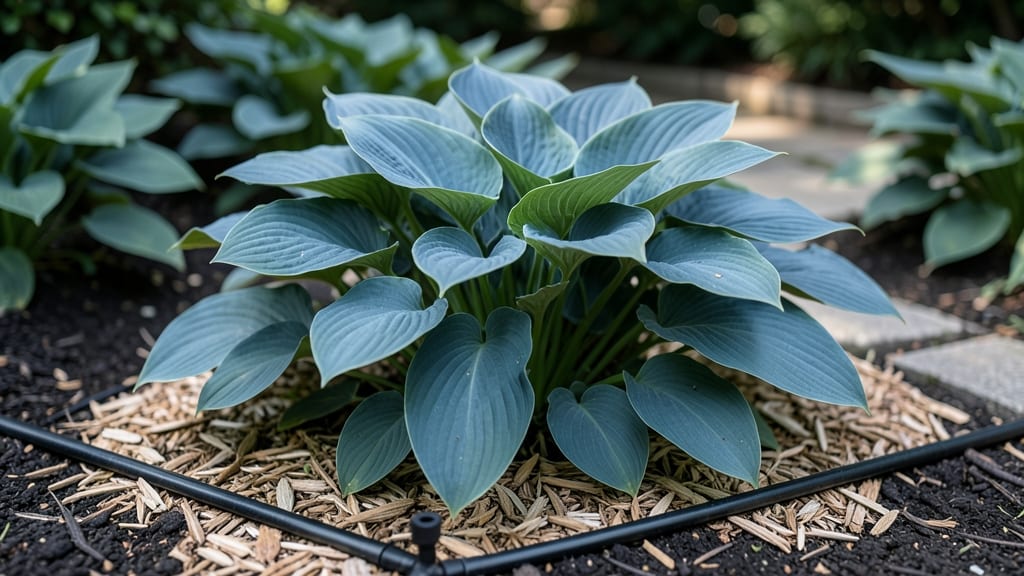
Hostas can grow in full shade, thriving in low-light gardens where other plants struggle, though their growth rate may slow and leaf color intensity can fade without some indirect sunlight. Opt for deep-green or dark-leaved varieties to maintain rich foliage in the deepest shade.
Hostas are nature's perfect shade-lovers, thanks to their ability to adapt chlorophyll production when sunlight is scarce. 🌿 This means they'll still photosynthesize efficiently, though you might notice slightly smaller leaves or less vibrant hues compared to sun-exposed plants.
The trade-off? Their resilience makes them ideal for under trees or north-facing yards where other perennials would wilt.
For the best results in full shade, focus on varieties like 'Blue Angel' or 'Halcyon', which naturally produce deeper pigments that hold up better in low light. These plants also tend to be more compact, making them perfect for layered garden beds where space is limited.
Just remember: even shade-loving hostas appreciate a little morning sun to keep their growth vigorous and foliage lush.
💡 In This Article
- How Shade Affects Hostas’ Growth and Color
- Top Hostas for Full Shade Gardens and Their Care Needs
How shade affects hostas’ growth and color
Hostas adapt to shade through a fascinating process called chlorophyll adaptation. In low-light conditions, their cells produce more chlorophyll b (the accessory pigment) to capture whatever light is available, often resulting in deeper green or even bluish hues.
This is why varieties like 'Blue Angel' maintain their striking color even under trees—its leaves contain up to 30% more chlorophyll b than sun-exposed hostas. The trade-off? Their growth rate slows because photosynthesis becomes less efficient with limited light.
The impact on leaf variegation is especially noticeable. White or yellow variegated hostas (like 'Francee') struggle in full shade because their white cells contain no chlorophyll and rely on nearby green cells for energy. Without sufficient light, these variegated areas often revert to solid green, losing their prized patterns.
Dark-leaved varieties, however, thrive because their dense pigments absorb even minimal light more effectively. 💫 This is why gardeners often see 10-20% larger leaves in dark varieties like 'Halcyon' compared to lighter ones in identical shade conditions.
Growth rate differences become apparent after just 4-6 weeks in full shade. Hostas may produce 20-30% fewer leaves per season compared to those in partial shade, but their roots continue to spread aggressively underground—a survival mechanism for when light conditions improve.
The key is that while top growth slows, their energy is redirected to building a stronger root system, making them more drought-resistant over time.
Color intensity fades because shade reduces the production of anthocyanins, the pigments responsible for deep purples and blues. A 'Blue Angel' hosta might shift from a vibrant steel blue to a muted grayish-green in full shade, while its growth remains robust.
This is why gardeners often pair shade hostas with brightly colored annuals (like impatiens) to create visual contrast in low-light areas.
Soil moisture plays a hidden role too. Shade hostas develop thicker, waxier leaves to reduce water loss, which is why they often feel slightly leathery to the touch.
This adaptation means they require 10-15% less water than sun-exposed hostas, though their soil should remain consistently moist (never soggy) to support this slower growth rate. The waxy coating also makes them more resistant to slug damage—a bonus for shade gardens where pests thrive.
What most gardeners don't realize is that hostas actually prefer morning sun even in shade gardens. Just 2-3 hours of indirect sunlight can boost growth by 35% while maintaining vibrant color.
This is why placing them on the eastern side of trees or structures often yields the best results—enough light for photosynthesis without the harsh afternoon sun that can scorch leaves.