
Light Requirements
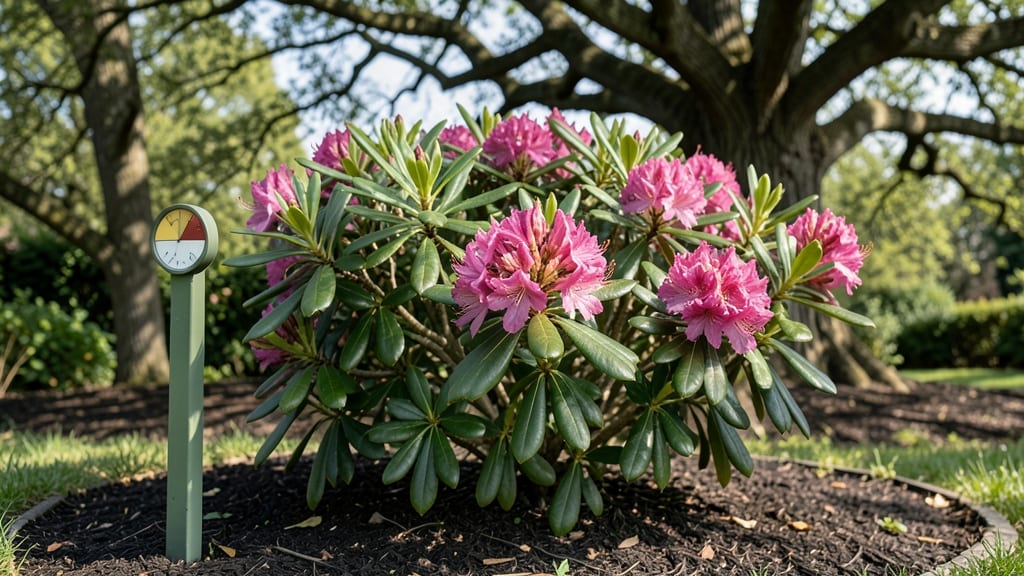
One question every gardener asks: do rhododendrons need sun or shade—and the answer is partial shade with morning sun and afternoon shade for those vibrant blooms 🌸 you adore.
Struggling to keep your rhododendrons thriving? The battle between sun and shade might be the secret to those elusive lush blooms—or the reason your plant is struggling. Too much direct sunlight can scorch leaves, while too little light means sparse blooms and leggy growth.
These shrubs love bright, indirect light, which means positioning them where they get gentle morning rays but escape the harsh afternoon sun. In hotter climates like zones 7-9, they may need even more shade to prevent stress.
Below, I’ll show you how to strike the perfect balance, from choosing the right spot in your garden to adjusting light conditions for different varieties. You’ll also learn how to spot signs of sunburn or shade deficiency before they become permanent problems.
 Best Window Placement
Ideal sunlight requirements for rhododendrons: finding the perfect balance
Rhododendrons are finicky about sunlight—too much scorches their delicate leaves, while too little stunts their stunning blooms. The perfect balance is morning sun and afternoon shade, but regional climates and plant types tweak this rule.
Let’s decode how to get it right for your garden, whether you’re in humid coastal areas or hot inland zones.
Most rhododendrons thrive in partial shade, meaning 3–6 hours of direct sunlight daily, ideally from the east. This setup prevents leaf burn while fueling vibrant flowers. Evergreen varieties (like 'Catawbiense') need slightly more shade, while deciduous types (like 'Nova Zembla') tolerate a bit more sun.
Coastal gardens often handle bright indirect light better due to milder temperatures.
Here’s the key: Afternoon sun is the enemy. The intense 1 PM–5 PM rays bake leaves, causing crisp edges and yellowing. Inland climates? Reduce exposure further—2–3 hours max—to avoid stress. Think of rhododendrons as shade-loving divas who need their morning glow-up but afternoon chill.
To test your garden’s sunlight, use the shadow method: Place a stake where you’d plant and mark shadows every hour. If shadows stretch past your rhododendron’s 12 PM position, it’s getting too much sun.
For inland gardens, consider 30–50% shade cloth in peak summer months to mimic natural dappled light.
Evergreen rhododendrons (like 'PJM') are the most shade-tolerant, thriving in 30% light or less. Deciduous types (like 'Elizabeth') can handle 50% light, especially if pruned to remove crowded branches. Prune nearby trees in late winter to open the canopy gradually—sudden exposure shocks roots.
Regional tweaks matter: In Pacific Northwest gardens, rhododendrons often get full morning sun and afternoon sea breezes, which cool leaves naturally. In Southern states, even morning sun can be harsh—opt for east-facing slopes or tree-filtered light.
Mulch with pine needles or bark to retain moisture and protect roots from temperature swings.
Watch for leaf color
How to adjust sunlight for rhododendrons: practical tips for every garden
Rhododendrons thrive in partial shade, but finding the perfect balance can be tricky—especially in gardens with intense afternoon sun or dense shade. The key is morning sun exposure (2-4 hours) paired with afternoon shade protection.
Without this balance, you might see sunburned leaves or weak, leggy growth from insufficient light.
If your rhododendrons are struggling, it’s likely due to incorrect sunlight positioning. Too much direct sun can scorch leaves, while too little shade may prevent blooming. Let’s fix this with practical adjustments tailored to your garden’s conditions.
⚠️ Sun or Shade? The Truth About Rhododendrons
Rhododendrons need shade, not sun. While they tolerate 2-4 hours of morning sun, harsh afternoon rays (especially in hot climates) can cause leaf scorch. In full shade, they may still bloom but grow leggy and weak. The goal? Dappled light that mimics their natural understory habitat.
Start by observing your garden’s microclimates. North-facing areas or spots under deciduous trees (like oaks) provide natural shade. If your rhododendron sits in full sun, consider pruning nearby trees to filter light or installing shade cloth (30-50%) on the south or west sides.
For container-grown plants, move them to a shadier spot during peak afternoon heat.
Watch for telltale signs of sunlight stress: yellowing leaves or crisp edges mean too much sun, while fewer blooms and sparse foliage signal insufficient light. Adjust gradually—sudden changes can shock the plant. In hot climates (Zones 7-9), prioritize afternoon shade; in cooler regions (Zones 5-6), morning sun is ideal.
Create a microclimate by grouping rhododendrons with taller shade-loving plants (like ferns or hostas) to break harsh light. Mulch heavily with organic matter (pine needles or bark) to retain moisture and cool roots.
For urban gardens, reflective surfaces (like pavement) can intensify heat—plant rhododendrons at least 3 feet away from walls or driveways.
Don’t forget to prune strategically. Thin out dense branches to improve airflow and light penetration. Remove dead or sun-damaged leaves in early spring to encourage new growth. With these adjustments, your rhododendrons will reward you with vibrant blooms and lush foliage year after year.
Experiment with seasonal adjustments: In summer, increase shade; in winter, allow more light to prevent leggy growth. Patience is key—rhododendrons adapt slowly, but with the right balance, they’ll thrive for decades. Happy gardening!