
Shrubs
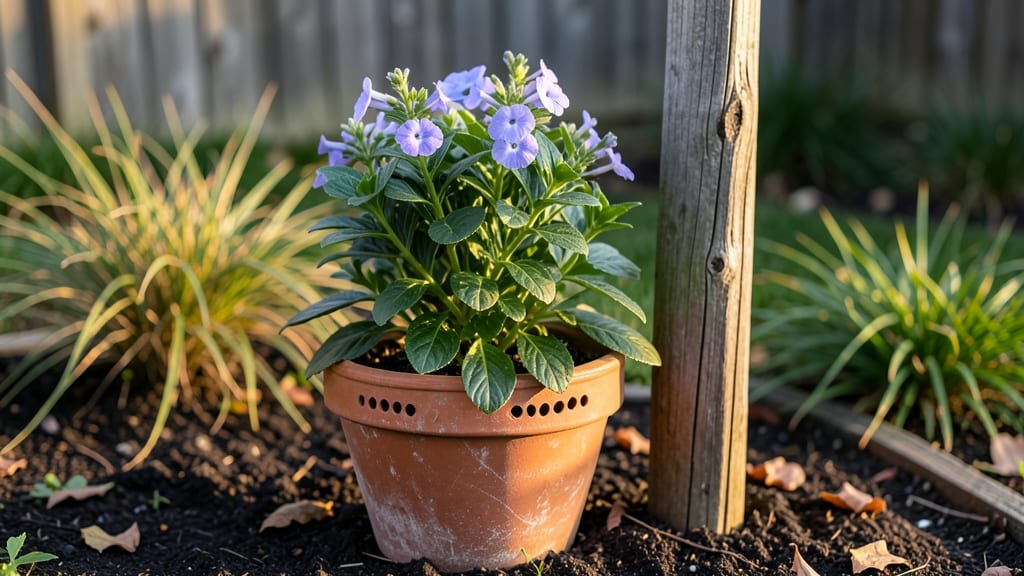
Sunpatiens thrive where others struggle—whether baking in morning sun or lounging in dappled shade. 🌿 I’ve grown them in both spots, and the secret isn’t complicated: these plants adapt like chameleons, shifting their blooms and foliage to match the light.
The key lies in matching their soil, water, and placement to what they naturally crave—without fuss. Start with well-draining soil (amend heavy clay with compost) and space plants 12–18 inches apart—they’ll spread but stay compact.
In full sun, water deeply 2–3 times a week; in shade, keep soil lightly moist. The difference? Sun-loving plants develop brighter blooms, while shade varieties grow lush, velvety foliage that thrives even under trees. By mid-summer, you’ll have nonstop blooms from spring to frost, with minimal deadheading.
The plants handle heat, humidity, and even drought better than impatiens—no wilting, no fuss. Even my black thumb can’t kill these. Use them as spillers in containers, borders, or mass plantings. They’re the ultimate low-maintenance star for partial shade gardens or sunny patios.
Here’s how to make them shine in any spot.
📚 In This Guide
- What you need
- Instructions
- Tips and common mistakes
- Wrapping up and next steps
What you need
- ● Sunpatiens plants: 3–5 plants (depending on container size or garden bed dimensions). Choose varieties like Sunpatiens Wave® or Sunpatiens Proven Winners® for versatility.
- ● Potting mix: 1–2 bags (1–2 cubic feet each) of high-quality, well-draining all-purpose potting soil (add perlite or sand for extra drainage if needed).
- ● Containers (if not planting in-ground): 1–2 10–14" diameter containers (for 1–2 plants) or
- ● 1 18" hanging basket (for cascading varieties).
- ● Fertilizer: Slow-release balanced fertilizer (10-10-10 or 20-20-20) or liquid bloom booster (e.g., Miracle-Gro®).
- ○ Mulch (optional but recommended): 1–2 bags of organic mulch (e.g., shredded bark or pine straw) to retain moisture.
- ● Garden trowel or small shovel
- ● Pruning shears (for trimming spent blooms)
- ● Gloves (to protect your hands)
- ● Watering can or hose with a gentle spray nozzle
- ● Measuring tape (for spacing plants 10–12" apart in beds)
- ● 🌡️ Sun vs. Shade: For full sun (6+ hours), use light-colored containers to reflect heat. For shade, opt for darker pots to absorb warmth.
- ● ✨ Drainage: Ensure containers have drainage holes—Sunpatiens hate soggy roots!
- ● 💧 Watering: Keep soil consistently moist (not waterlogged). Containers dry out faster—check daily in hot weather.
Step-by-step guide to planting and caring for sunpatiens
Sunpatiens thrive in versatility, handling both sun and shade beautifully. Here's how to plant and care for them with ease.
🌱 Step 1: Choose the Right Location and Prepare the Soil
Sunpatiens adapt to a range of light conditions, but they perform best in partial shade to full sun—think 4-6 hours of morning sun with afternoon shade in hotter climates. If your garden gets intense afternoon heat, opt for a shadier spot to prevent leaf scorch. The key is avoiding direct, hot afternoon sun for prolonged periods.
Before planting, amend the soil with 2-3 inches of compost to improve drainage and fertility. Sunpatiens prefer well-draining soil that retains moisture but doesn’t stay soggy. If your soil is heavy clay, mix in sand or perlite to lighten it up. A soil pH between 5.5 and 6.5 is ideal—test your soil if unsure.
🪴 Step 2: Plant Sunpatiens at the Correct Depth and Spacing
Dig holes twice as wide as the root ball but no deeper—this encourages root expansion without burying the plant too deeply. Gently remove the plant from its container and loosen any circling roots with your fingers. Place it in the hole so the top of the root ball sits level with the soil surface—burying the stem too deep can cause rot.
Space plants 12-18 inches apart to allow for air circulation and growth. Crowding leads to competition for nutrients and increases the risk of fungal diseases. Water the planting hole deeply before placing the plant in, then backfill with soil, pressing lightly to remove air pockets. After planting, water again to settle the soil around the roots.
💧 Step 3: Water Consistently and Monitor Soil Moisture
Sunpatiens love moisture but hate soggy roots. Water 1-2 times per week, depending on your climate and soil type. Aim to keep the top 2 inches of soil consistently moist—stick your finger in the soil to check. If it feels dry, it’s time to water. In hotter weather, you may need to water daily, especially in containers where soil dries out faster.
Water at the base of the plant in the morning to reduce evaporation and fungal risks. Avoid wetting the leaves, as this can promote mildew. Mulch around the base with 2-3 inches of organic mulch (like shredded bark or straw) to retain moisture and suppress weeds. This also helps regulate soil temperature, keeping roots cool in summer.
☀️ Step 4: Provide Light and Fertilize for Continuous Blooms
Sunpatiens thrive in bright, indirect light but can tolerate some direct sun, especially in cooler climates. If you notice leaves turning yellow or crispy, it’s a sign of too much sun—move them to a shadier spot. In low-light conditions, they’ll still bloom but may produce fewer flowers. A south- or east-facing window works well for container-grown plants.
Feed your sunpatiens with a balanced, water-soluble fertilizer (like 10-10-10) every 4-6 weeks during the growing season to encourage lush foliage and abundant blooms. Follow the package instructions for dilution rates. Stop fertilizing in late summer to allow the plant to prepare for dormancy if needed. Deadhead spent blooms regularly to promote continuous flowering.
✂️ Step 5: Prune and Maintain for Long-Term Health
Prune sunpatiens lightly to encourage bushier growth and more flowers. Pinch back the tips of new growth in early spring to promote branching. If the plant looks leggy or overgrown, trim back stems by one-third in early summer to rejuvenate it. Always use clean, sharp pruners to avoid damaging the plant or spreading disease.
Watch for pests like aphids or spider mites, which can weaken sunpatiens. Treat infestations early with neem oil or insecticidal soap for organic control. In colder climates, sunpatiens may die back in winter—cut back dead foliage in early spring and fertilize lightly to encourage new growth. With proper care, they’ll reward you with vibrant blooms all season long.
Tips & tricks for perfect sunpatiens sun or shade care
Between us, these sun-loving beauties are forgiving—but a few small adjustments make all the difference. Here's how to keep your sunpatiens thriving with minimal fuss.
Soil Prep Secret: When amending soil with 2-3 inches of compost, mix in a handful of perlite or coarse sand for every square foot of planting area. This creates tiny air pockets that prevent soggy roots while still holding moisture—critical for sunpatiens that hate wet feet. I've seen plants double their bloom production after this simple tweak, especially in clay-heavy soils.
Planting Depth Visual: The top of the root ball should sit flush with the soil surface—no higher, no lower. Here's my trick: Use a pencil to mark the root ball's height before removing it from the pot. When planting, align this mark with your soil level. Too deep, and you risk rot; too high, and roots won't anchor properly.
Watering Rhythm: The 1-2 times per week guideline works best when you check soil moisture first thing in the morning. Stick your finger 2 inches deep—if it feels dry at that depth, water thoroughly until it runs out the bottom of the pot or drains from the soil. Morning watering prevents evening evaporation and fungal risks, while the 2-inch check ensures you're not overwatering.
Fertilizer Timing: That 4-6 week feeding schedule assumes you're using a balanced fertilizer like 10-10-10. For maximum blooms, split the dose into two applications: half when you plant, then alternate between nitrogen-heavy (like 20-5-5) and bloom-boosting (like 10-30-20) formulas every other feeding. Stop fertilizing completely after mid-summer to let the plant prepare for dormancy.
Pro Tips for Sunpatiens Sun Or Shade
- Between us, these sun-loving beauties are forgiving—but a few small adjustments make all the difference.
- Soil Prep Secret: When amending soil with 2-3 inches of compost, mix in a handful of perlite or coarse sand for every square foot of planting area.
- Planting Depth Visual: The top of the root ball should sit flush with the soil surface—no higher, no lower.
Frequently asked questions
Got questions about keeping your sunpatiens happy in sun or shade? You’re not alone!
Here are answers to the most common queries to help you grow lush, blooming plants with ease.
Can sunpatiens grow in full sun?
Yes! While they tolerate shade, sunpatiens thrive in morning sun or dappled afternoon light. In hot climates, protect them from harsh midday rays to prevent leaf scorch. If growing in full sun, ensure consistent moisture—dry soil leads to wilting faster.
What’s the best shade condition for sunpatiens?
Sunpatiens love partial shade (2–6 hours of filtered light daily), like under trees with sparse canopies or east-facing windows. Avoid deep shade—they’ll grow leggy and produce fewer blooms. Test your spot: If you can read a book comfortably outside, it’s likely ideal!
How long does it take for sunpatiens to bloom?
With proper care, expect blooms in 6–8 weeks after planting! For year-round color, deadhead spent flowers (snip just above the next set of leaves) and fertilize lightly every 4–6 weeks. Pro tip: Pinch back leggy stems early to encourage bushier growth and more blooms.
Why are my sunpatiens’ leaves turning yellow?
Yellow leaves usually signal overwatering or poor drainage. Let the top inch of soil dry out between waterings, and ensure pots have drainage holes. Check for pests (like spider mites) too—wipe leaves with soapy water if needed. Bonus: Yellowing from heat stress? Move them to partial shade temporarily.
Are there sunpatiens that do better in shade?
Look for ‘Black Velvet’ or ‘Chocolate’ varieties—they handle lower light better than pastel types. For deep shade, opt for Impatiens walleriana (shadow plants), though they’re not sunpatiens. Always check the tag for light preferences when shopping!
Wrapping up and next steps
Sunpatiens are the ultimate low-maintenance superstars—whether basking in bright sun or thriving in dappled shade! 🌿 With just the right soil, water, and occasional love, these vibrant bloomers reward you with months of color and resilience.
Ready to transform your space? Start small: plant a few in your favorite spot this weekend, and watch your garden come alive with effortless beauty!
🌱 Your Next Step:
- Pick a sunpatiens variety (like ‘Chocolate’, ‘Mikado’, or ‘Purple Smoke’) that matches your light conditions.
- Grab the essentials—well-draining soil, containers or garden beds, and balanced fertilizer—and get planting!
- Share your progress with #SunpatiensSuccess—we’d love to see your blooms!