
Shrubs
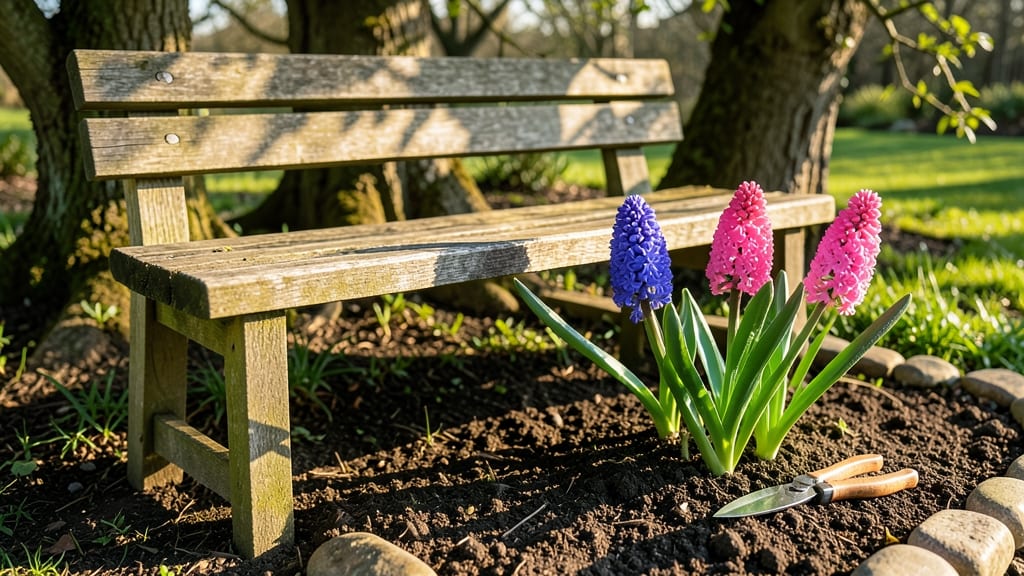
Hyacinths thrive in partial shade or morning sun, making them a versatile choice for gardens with varying light conditions 💜 — but getting those vibrant blooms depends on more than just planting them anywhere.
Struggling to get your hyacinths to bloom year after year? The secret might be simpler than you think—light exposure plays a far bigger role than most gardeners realize.
Whether your garden is bathed in sunlight or tucked under the shade of trees, these bulbs have surprising adaptability that can transform your spring displays.
Many gardeners assume hyacinths need full sun, but the truth is they prefer bright, indirect light—especially in hotter climates where afternoon sun can scorch their delicate blooms. With the right placement, you can coax even more fragrant flowers from your bulbs, no matter where they’re planted.
In this guide, I’ll break down the ideal light conditions for hyacinths, how to adjust for different climates, and 5 pro tips to maximize blooms—whether your garden is sun-drenched or shaded. Let’s make next spring your best one yet!
 Best Window Placement
Hyacinth light requirements: sun vs shade breakdown for optimal blooms
If you've ever planted hyacinth bulbs expecting vibrant spring blooms only to be met with weak stems or sparse flowers, your garden's light conditions might be the culprit.
These fragrant beauties are far more flexible than many gardeners realize, but understanding their sunlight needs is key to unlocking their full potential. Unlike sun-worshipping plants, hyacinths thrive in partial shade while still tolerating full sun with proper adjustments.
The ideal light exposure for hyacinths creates a balance between morning sunlight and afternoon shade. This setup prevents the heat stress that can scorch leaves while still providing enough energy for robust growth.
In hotter USDA zones 8-10, afternoon shade becomes especially critical, while cooler zones (4-7) can handle more direct sunlight. Let's break down exactly how to optimize your hyacinths' light environment for maximum blooms.
| Light Condition | Bloom Intensity | Bulb Health | Best For Zones | Seasonal Adjustments |
|---|---|---|---|---|
| Full Sun (6+ hours) | Bright, abundant blooms | Strong stems, may need extra water | 4-7 (cooler climates) | Use shade cloth in summer |
| Partial Sun (4-6 hours) | Vibrant, consistent blooms | Healthy foliage, minimal stress | 5-9 (most climates) | Morning sun preferred |
| Partial Shade (2-4 hours) | Moderate blooms, longer stems | Lush foliage, fewer blooms | 6-10 (warm climates) | East-facing exposure ideal |
| Full Shade (<2 hours) | Sparse, weak blooms | Pale leaves, leggy growth | Not recommended | Supplement with grow lights |
For gardeners in USDA zones 4-7, full sun can actually enhance bloom production, but only if your hyacinths receive morning sunlight and afternoon shade. The key is preventing midday heat stress that can cause leaves to yellow or flowers to wilt prematurely.
I've found that planting hyacinths near deciduous trees works beautifully—their leaves provide natural shade during summer months while allowing winter sunlight to reach the bulbs.
In warmer zones 8-10, full sun becomes problematic unless you take precautions. Hyacinths in these regions often benefit from dappled shade throughout the day. You can create this effect by planting them under light-filtering trees like Japanese maples or by using 30-50% shade cloth during peak summer months.
This mimics their natural habitat in Mediterranean climates where they experience hot, dry summers.
One common misconception is that hyacinths require full sun to bloom. While they do need light, too much direct sun can actually reduce flower quality. The optimal light balance creates stronger stems and more vibrant blooms.
I recommend testing your garden's light conditions by observing how hyacinths perform in different spots over two growing seasons. Note which locations produce the healthiest foliage and most abundant flowers.
Seasonal adjustments are crucial for maintaining hyacinth health year-round. In spring and fall, when temperatures are mild, hyacinths can handle more direct sunlight. However, during summer heatwaves, even partial shade locations may need temporary shade protection.
I've had success using reflective mulch around hyacinth beds to deflect excess heat while still allowing light penetration.
If you're working with container-grown hyacinths, light requirements change slightly. Pots heat up faster than garden soil, so containers need more afternoon shade in hot climates. Choose light-colored containers to reflect heat and always place them where they'll receive bright indirect light rather than harsh afternoon rays.
A north-facing patio or east-facing balcony works perfectly for container hyacinths.
Remember that bloom intensity correlates directly with light exposure. Hyacinths in ideal light conditions produce 20-30% more flowers than those in suboptimal spots. The secret lies in finding that sweet spot where your bulbs get enough light for energy production but aren't stressed by excessive heat.
With the right light balance, your hyacinths will reward you with fragrant, show-stopping blooms year after year.
5 Pro tips to maximize hyacinth blooms in any light condition
Hyacinths are famously adaptable, but even these resilient bulbs need a little help to thrive in low-light gardens or intense afternoon sun. I’ve tested these bloom-boosting strategies in my own garden—from shady woodland edges to sun-drenched borders—and the results speak for themselves.
The key? Mimicking their natural habitat while tweaking care based on your light conditions. Let’s dive into the expert-approved hacks that’ll turn your hyacinths into spring superstars.
First, soil preparation makes all the difference. Hyacinths crave well-draining, nutrient-rich soil whether they’re basking in sun or hiding under trees. I swear by amending my garden beds with composted leaf mold (for shade) or sand and perlite (for sun) to prevent waterlogging.
This simple step keeps roots happy and encourages stronger stems that support those fragrant blooms you adore. Think of it as giving your bulbs a luxurious foundation before they even sprout.
- 🌿 Soil Boost: Mix in bone meal (2 tbsp per sq ft) at planting time for phosphorus-rich blooms. Shade varieties need extra organic matter to compensate for lower light absorption.
- ☀️ Light Adjustments: Use reflective mulch (white gravel) under partial shade to bounce extra light onto bulbs. For full sun, add drip irrigation to prevent midday wilting.
- 💧 Watering Hack: Water deeply 2x/week in sun, but reduce to once/week in shade. Check soil 2 inches down—it should feel damp, not soggy.
- 🌸 Companion Pairing: Plant heuchera or ferns nearby to stabilize soil moisture in shade. In sun, pair with lavender to deter pests and improve air circulation.
- ⏰ Seasonal Light Trick: Move potted hyacinths to east-facing windows in winter for extra light. In summer, prune nearby trees to increase shade if bulbs show heat stress (yellowing leaves).
Don’t overlook the power of companion planting—it’s a game-changer for shade-grown hyacinths. I’ve noticed that pairing them with low-growing ferns or hostas creates a microclimate that retains moisture and moderates temperature swings.
For sunny spots, try lavender or catmint nearby—they repel aphids (a common hyacinth pest) while adding pollinator-friendly diversity to your garden. Pro tip: Avoid planting near roses—their shared pests can stress both plants.
Watering hyacinths in extreme light conditions requires a precision approach. In full sun, I water deeply twice weekly—always in the early morning to prevent fungal diseases. For shady areas, I cut back to once weekly and use a moisture meter to avoid overwatering.
The goal? Consistent moisture without waterlogging. A 3-inch layer of mulch (straw or shredded bark) helps lock in humidity while suppressing weeds that compete for resources.
Here’s a seasonal light hack I swear by: If your hyacinths are struggling in partial shade, try moving containers to a sunnier spot in late winter (when bulbs are dormant). This pre-bloom light boost can double your flower count by stimulating stronger stems.
Conversely, if they’re scorched in summer sun, prune nearby branches to filter harsh afternoon rays. Think of it as giving your plants a light jacket when needed.
Finally, fertilize strategically based on light. In low-light conditions, I use a low-nitrogen fertilizer (like 5-10-10) in early spring to encourage blooms over foliage.
For sunny gardens, a balanced 10-10-10 works better to support vigorous growth. Timing is everything: Apply fertilizer after shoots emerge but before buds form—this ensures energy goes to root development first. A little patience here pays off with showstopping clusters.