
Shrubs
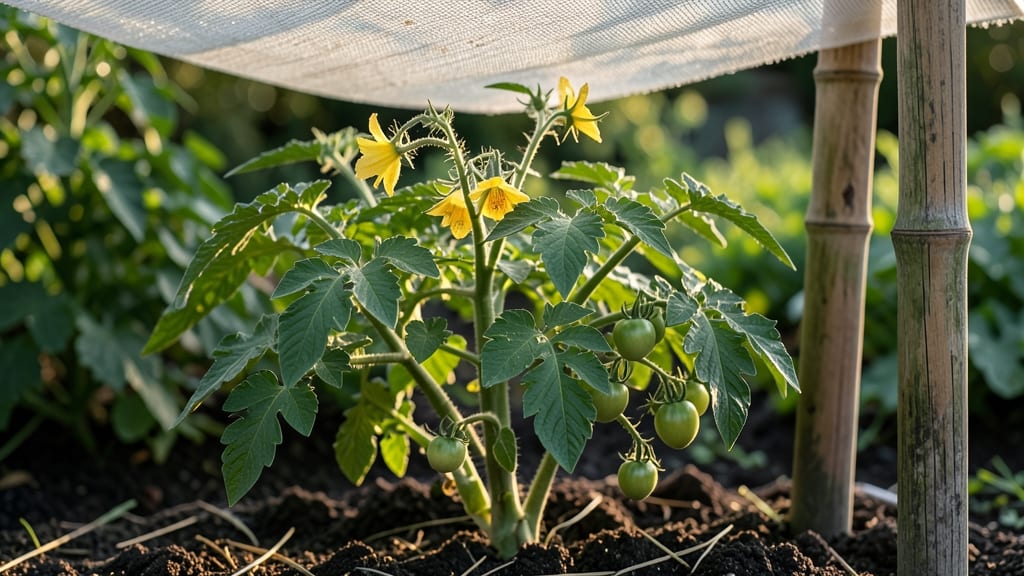
Your tomatoes will taste like they grew under a secret recipe—shade cloth for tomatoes transforms blistering sun into perfect ripening conditions. 🌿 Last summer, my beefsteak tomatoes turned from sun-scorched to sweet, juicy perfection after I draped 30% shade cloth over them during peak afternoon heat.
The difference was shocking: fewer split fruits, deeper flavor, and plants that kept producing all season instead of wilting by July. The right shade percentage is everything—too little won’t help, too much stunts growth. Start with 30% shade cloth for most climates, then adjust based on how your plants look.
You’ll want airflow too, so avoid sealing the cloth tightly; use hoops or stakes to keep it 6-12 inches above the plants and secure with clips or weights. This keeps pests out while letting rain and breezes through.
What you’ll end up with are tomatoes that ripen evenly, develop richer sugars, and resist the sunburn that turns fruit into leathery messes. The plants stay healthier too, with fewer stressed leaves and stronger stems. I’ve even seen earlier harvests because the cloth protects young fruit from heat waves.
Works for greenhouses, raised beds, or in-ground plants—just remember to remove it in cooler months if temperatures drop. The key is balance: enough shade to protect, not so much that your tomatoes forget how to photosynthesize.
📚 In This Guide
- What you need
- Instructions
- Tips and common mistakes
- Wrapping up and next steps
What you need
- ● Shade cloth: 30-50% blockage rate (adjust based on your climate—hotter regions may need 50%+).
- ● Size: At least 2–3 feet taller than your tomato plants (e.g., 6’x10’ for a standard garden bed).
- ● Aluminet or woven polyester (durable, UV-resistant, and breathable).
- ● Support structures: PVC pipes, wooden stakes, or metal hoops (6–8 ft tall for indeterminate varieties).
- ● Zip ties, bungee cords, or shade cloth clips (to secure fabric tightly).
- ● Measuring tape, scissors, or a utility knife (for cutting cloth to size).
- ● Staple gun or heavy-duty staples (if attaching cloth to permanent frames).
- ● Adjustable shade frames (for easy removal or partial shading as seasons change).
- ● Thermometer/hygrometer (to monitor plant stress—aim for 75–85°F (24–29°C) under shade).
- ● Reflective mulch or mylar sheets (to bounce extra light onto plants if using heavy shade).
- ● Plant ties or soft twine (to gently secure tomato stems to supports if using freestanding cloth).
Step-by-step guide to using shade cloth for tomatoes
Here's how to protect your tomato plants while keeping them productive and sweet.
🌿 Step 1: Choose the Right Shade Cloth Rating
Tomatoes need 30-50% shade in hot climates to prevent sunburn and blossom drop. I always opt for 30% shade cloth—it blocks enough UV while letting in plenty of light for photosynthesis. The lighter the rating, the more light passes through, so 30% lets 70% of light through while still providing protection.
Check the label for the shade percentage—this is the only spec that matters. Avoid cheap polyester blends; look for aluminum-coated or UV-stabilized polyester that lasts multiple seasons. You'll see the difference in fabric durability after just one summer.
☀️ Step 2: Install Shade Cloth at the Right Height and Angle
Mount the shade cloth 12-18 inches above the plant tops using a sturdy frame or hoops. I use PVC pipes bent into hoops and secure them with zip ties—it's lightweight and adjustable. The cloth should drape loosely, not touch the plants, to allow airflow and prevent disease.
Angle the cloth 45 degrees if your tomatoes face south. This creates a gradual shade transition as the sun moves across the sky. Too much direct overhead shade in the morning can still stress plants, so I always adjust for my specific garden orientation. Watch for yellowing leaves or stunted growth—signs the cloth is blocking too much light.
⏰ Step 3: Adjust Shade Throughout the Day and Season
Remove the shade cloth on cooler days (below 80°F) to maximize photosynthesis. I keep a small hand clasp on each corner for quick adjustments. In the morning, when the sun is lower, you might need full shade, but by midday, even 30% shade can be too much in peak summer.
During the growing season, gradually reduce shade as temperatures drop. By late summer, I often remove it entirely unless we're facing a heatwave. The key is watching your plants—if they're wilting despite watering or fruits are cracking, it's time to adjust.
💧 Step 4: Monitor Watering and Soil Conditions
Shade cloth increases humidity around plants, which can lead to fungal issues like blight. Water deeply but less frequently—aim for 1-1.5 inches per week—and always water at the base. I use a soaker hose to avoid wetting leaves, which reduces disease risk.
Check soil moisture by sticking your finger 1 inch deep. If it's dry, water; if it's still damp, wait. Overwatering in shaded conditions suffocates roots. You'll notice healthier plants with fewer yellow leaves when you get the balance right.
✂️ Step 5: Prune and Support Plants for Optimal Growth
Prune suckers (the shoots between the stem and branches) more aggressively when using shade cloth, as the plants put less energy into natural shading. I remove all suckers below the first flower cluster to direct energy to fruit production. Use clean, sharp pruners to avoid damaging stems.
Support your tomatoes with cages or stakes—shaded plants grow taller and leggier. I tie stems to stakes every 10-12 inches to prevent breakage. Watch for weak stems or excessive leaf growth—these are signs the plant needs more light or support.
Tips & tricks for perfect tomato sun protection
These practical strategies will help you get the most out of your shade cloth investment while keeping your tomatoes thriving.
Fabric Quality Matters: The 30% shade cloth recommendation isn't just about light blocking—it's about fabric technology too. Look for aluminum-coated options that reflect heat rather than absorb it. I've found these stay cooler to the touch and last through multiple seasons without degrading. The difference in fabric weight can mean the difference between healthy plants and stressed ones during heatwaves.
Installation Height Secret: That 12-18 inch clearance above plant tops isn't arbitrary—it creates the perfect microclimate. Too low and you'll trap humidity, inviting fungal diseases; too high and you lose protection. I've learned to adjust based on plant height: start at 12 inches for seedlings, then raise to 18 inches as plants mature. Use flexible PVC hoops so you can easily adjust as your tomatoes grow.
Morning vs. Midday Strategy: The 45-degree angle for south-facing gardens creates a smart shade gradient. In the morning when sun is lower, you get more protection; by midday when sun is overhead, you still get some light penetration. For east or west-facing gardens, I adjust to 30 degrees—just watch your plants' reaction. If leaves start curling, you're blocking too much early morning light.
Watering Adjustment: With shade cloth increasing humidity, your 1-1.5 inches per week watering guideline becomes even more critical. I've found that shaded plants need 10-15% less water than unshaded ones because less moisture evaporates. Always check soil 1 inch deep—if it's damp, wait. The key is preventing that soggy soil condition that leads to root rot in shaded environments.
Pro Tips for Shade Cloth For Tomatoes
- These practical strategies will help you get the most out of your shade cloth investment while keeping your tomatoes thriving.
- Fabric Quality Matters: The 30% shade cloth recommendation isn't just about light blocking—it's about fabric technology too.
- Installation Height Secret: That 12-18 inch clearance above plant tops isn't arbitrary—it creates the perfect microclimate.
Frequently asked questions
Got questions about using shade cloth for tomatoes? You’re not alone! Here are answers to the most common concerns—so you can grow juicier, sweeter tomatoes with confidence.
What shade percentage should I use for tomatoes?
For most climates, 30% shade cloth is ideal—it filters enough sun to prevent scorching while allowing plenty of light for growth. In extreme heat (100°F+), opt for 50% shade to protect fruits from sunscald. Start with lighter coverage early in the season and adjust as temperatures rise.
When is the best time to install shade cloth?
Install shade cloth before peak summer heat—typically late spring to early summer—when daytime temps consistently exceed 85°F (29°C). For young plants, use it after transplanting to avoid stress. Remove it in fall once nights cool down to protect plants from sudden temperature drops.
Can I use shade cloth instead of pruning tomatoes?
No, shade cloth isn’t a pruning substitute, but it complements good pruning practices. Use both to reduce heat stress and improve air circulation. Prune to remove lower leaves (6–12 inches from the ground) and focus on vertical growth, while shade cloth protects the canopy from direct sun.
Will shade cloth attract pests like aphids or whiteflies?
Shade cloth doesn’t directly attract pests, but humid, shaded conditions can create a cozy environment for them. To prevent issues:
- Choose fine-mesh cloth (18–20 mil) for better airflow.
- Inspect plants weekly for early signs of infestation.
- Use neem oil or insecticidal soap if pests appear.
What are alternatives to shade cloth for tomato sun protection?
If shade cloth isn’t an option, try these low-cost alternatives:
Method
Pros
Cons
Row covers (floating fabric)
Lightweight, breathable, and reusable.
Less durable; may need staking.
Drip irrigation + mulch
Cools soil, retains moisture, and reduces evaporation.
Doesn’t block direct sun; works best in combo with shade.
Planting near taller crops (e.g., corn, sunflowers)
Natural shade; saves money.
Competes for nutrients; may reduce tomato yield.
Pro tip: For best results, combine methods—like mulching + light shade cloth—for balanced protection.
Wrapping up and next steps
Using shade cloth for tomatoes is a game-changer for gardeners looking to boost sweetness, prevent sunscald, and extend the growing season—especially in hot climates. 🌞✨ Whether you're a seasoned pro or a beginner, this simple tool can transform your tomato harvest with minimal effort. Ready to try it? Start by selecting the right shade percentage, measuring your plants, and installing the cloth with confidence.
Your future juicy, sun-kissed tomatoes are waiting!
Next step: Grab your shade cloth, head to the garden, and give your tomatoes the protection they deserve!