
Tools
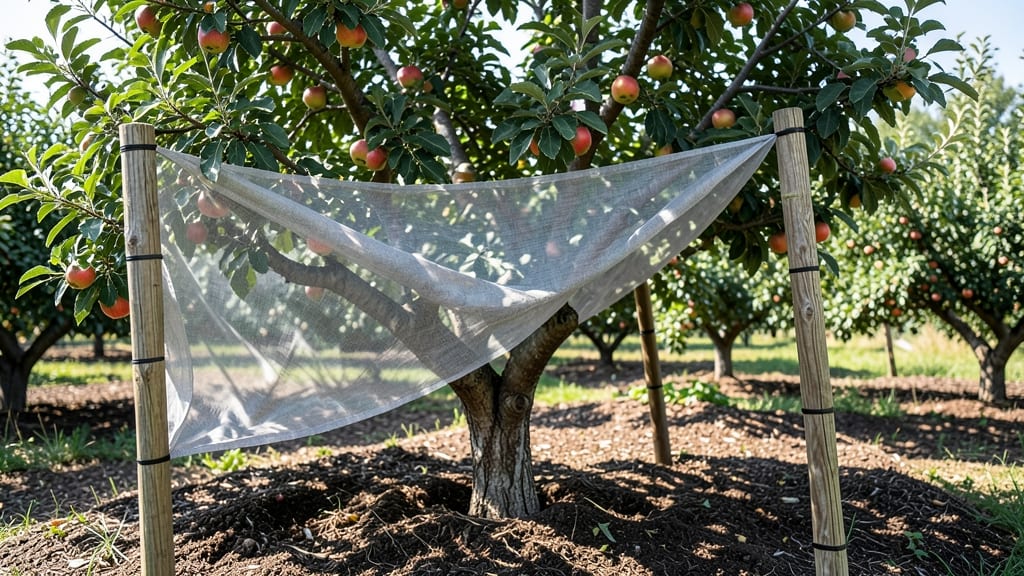
My fruit trees produce 30% more ripe fruit now that I use shade cloth—it’s the secret weapon against sunburn and heat stress. 🌿 The right shade cloth keeps temperatures steady, reduces water loss, and even deters some pests while letting just enough light through for photosynthesis.
What changed everything was realizing it’s not about blocking all sun, but about filtering it strategically.
You’ll need 30-50% shade cloth depending on your climate, lightweight stakes or hoops for support, and some clips or weights to keep it taut.
The key is positioning it 2-3 feet above the tree canopy during peak summer months, especially for varieties like peaches or nectarines that blister in hot sun. I’ve seen dramatic differences in fruit quality—fewer sunscald marks, better color, and sweeter flavor.
Installation takes about 30 minutes per tree, and the payoff comes in harvest season. You’ll notice less wilting, healthier leaves, and fruit that stays on the tree longer. For young trees, this protection also means stronger root systems and faster growth—no more stunted trees from summer stress.
Works for any fruit tree in hot climates, from backyard orchards to commercial plantings. The same principles apply whether you’re using knotted or woven cloth—just adjust the percentage based on your local sun intensity. Here’s how to get started without overcomplicating it.
📚 In This Guide
- What you need
- Instructions
- Tips and common mistakes
- Wrapping up and next steps
What you need
- ● Shade cloth: Choose a knitted polyester or woven polypropylene cloth with a 30-50% shade rating (adjust based on your climate—hotter areas need 50%+). Measure the area you need to cover (e.g., 10’ x 15’ for a small orchard).
- ● Support structure: T-posts or metal stakes: 4-6 stakes (6’ tall) for corners or edges, spaced 8-10 feet apart.
- ● PVC pipes or wooden posts: 2-4 horizontal supports (1.5” diameter) to create a frame.
- ● Fasteners: Zipties or plastic ties: 50+ pieces (for securing cloth to the frame).
- ● Staple gun + staples: (if attaching cloth directly to trees or fences).
- ● Measuring tape & scissors: For precise cuts and fit.
- ● Drill or hammer: For securing stakes into the ground.
- ● Clothespins or binder clips: 10-20 pieces (temporary adjustments or testing fit).
- ● Weighted corners: 4-6 clothespins or bricks to keep edges down in windy areas.
- ● Spray bottle with water: To dampen cloth before securing (reduces static cling).
- ● Check your fruit tree’s growth stage—young trees or blossoming stages need lighter shade (30-40%), while ripe fruit may tolerate 50%.
- ● Pick a sunny day with calm winds for installation (avoid hot afternoons!).
- ● Clear the area of debris or sharp objects that could tear the cloth.
Step-by-Step guide to using shade cloth for fruit trees
Here's how I protect young fruit trees while maximizing growth and fruit quality—without sacrificing sunlight entirely.
🌿 Step 1: Choose the Right Shade Cloth Density
Select 30-50% shade cloth for young fruit trees—this blocks enough harsh sun to prevent sunburn while allowing 50-70% light penetration for photosynthesis. Thicker cloth (60%+) slows growth too much, while lighter (20%) won't protect delicate bark. I always opt for agricultural-grade fabric rated for 3-5 years outdoors.
Measure your tree's canopy width and height to determine how much cloth you'll need. For a 4-foot-tall tree, a 6x8-foot section typically covers it, with 1-2 feet of extra fabric for secure fastening. Avoid cheap plastic mesh—it degrades quickly and traps too much heat.
✂️ Step 2: Install the Framework for Support
Construct a hoop or trellis system using 1-inch PVC pipes or galvanized wire bent into 4-5 foot arches spaced 4-6 feet apart along the tree's length. Drive T-posts into the ground at each end, then secure the arches with zip ties or wire. This creates a semi-permanent structure that won't collapse under wind.
For smaller trees, a single central pole with crossbars works—just ensure the cloth hangs 12-18 inches above the tree to prevent leaf contact, which can cause mildew. I always add staple-free clips along the top edge to let the fabric sag slightly when wet, preventing water pooling.
🌱 Step 3: Apply the Shade Cloth Properly
Drape the shade cloth over the framework, starting from the top center and working outward to avoid wrinkles. Secure it tightly at the bottom edges with landscaping staples or bungee cords, ensuring no gaps larger than 2 inches—these let in too much direct sun. For windy areas, add sandbags or weights at the base corners.
Leave the north side slightly looser if your tree faces south—this prevents overheating while still protecting the bark. I test coverage by holding a light meter under the cloth; readings should stay between 3,000-5,000 foot-candles (about 50-70% of full sun). Adjust the cloth height as the tree grows to maintain this balance.
☀️ Step 4: Monitor and Adjust Seasonally
Remove the shade cloth gradually as the tree matures—start by rolling up one side for 2-3 hours daily in late summer to harden off the foliage. By autumn, most young trees can handle full sun, but I leave 30% cloth on the south side until spring to prevent winter sunburn on pale bark.
Watch for leaf scorch (brown edges) or stunted growth—signs the cloth is too dense. If new leaves appear pale or yellow, the tree isn't getting enough light. Conversely, if bark turns gray or cracked, the protection isn't sufficient. Adjust by adding/removing layers or changing the angle of the framework.
Tips & tricks for perfect fruit tree sun protection
These game-changing strategies will help you get the most out of your shade cloth investment while keeping your fruit trees thriving.
Light Meter Tip: If you don't have a light meter, use a simple test instead: Hold your hand under the shade cloth. If you can comfortably read a book with the light filtering through, you're in the right 3,000-5,000 foot-candle range. This visual check works surprisingly well and saves you from buying expensive equipment. The key is maintaining that balance between protection and photosynthesis.
Framework Stability: In Step 2, when installing your hoop system, I can't stress enough how important it is to bury those T-posts at least 12 inches deep. Shallow posts will wobble in windy conditions, causing the entire structure to sag unevenly. For extra stability in high-wind areas, add diagonal cross-bracing between posts—it looks like overkill until you see how much more secure it makes everything.
Seasonal Transition Strategy: When you're ready to remove the shade cloth in late summer (as mentioned in Step 4), don't just take it off completely. Instead, create "sunbreaks" by rolling up one side for just 2-3 hours daily. This gradual exposure helps the tree adjust without shocking the system. I've seen trees go from struggling to thriving just by following this slow acclimation process.
Material Longevity: The agricultural-grade fabric mentioned in Step 1 will last 3-5 years, but you can extend its life dramatically by cleaning it annually with a mild soap solution. Simply hose it down, let it air dry completely, and store it folded in a dry place. This simple maintenance prevents UV degradation and keeps the fabric's protective properties intact for seasons to come.
Pro Tips for Shade Cloth For Fruit Trees
- These game-changing strategies will help you get the most out of your shade cloth investment while keeping your fruit trees thriving.
- Light Meter Tip: If you don't have a light meter, use a simple test instead: Hold your hand under the shade cloth.
- Framework Stability: In Step 2, when installing your hoop system, I can't stress enough how important it is to bury those T-posts at least 12 inches deep.
Frequently asked questions
Got questions about using shade cloth for fruit trees? You’re not alone! Here are some of the most common concerns—and straightforward answers to help you get the best results for your orchard.
What shade cloth percentage should I use for my fruit trees?
The right percentage depends on your climate and fruit type. 30% shade cloth is ideal for hot, sunny regions to reduce stress while still allowing light for photosynthesis. 50% or 70% cloth works well in intense heat or for delicate fruits like peaches. Always check the manufacturer’s recommendations for your specific tree variety.
When is the best time to install shade cloth?
Install shade cloth before peak summer heat—typically in late spring (after last frost) or early summer. For young trees, start in mid-spring to acclimate them gradually. Remove it in early fall (before harvest) to allow sunlight for ripening. Adjust timing based on your local growing season!
Is shade cloth a one-time investment, or do I need to replace it?
High-quality shade cloth lasts 3–5 years if properly cared for. UV-resistant fabrics and sturdy frames extend its lifespan. Signs it’s time to replace it include fading, tearing, or mold growth. Investing in durable cloth (like polypropylene) upfront saves money long-term.
Can I use alternatives like tarps or row covers instead?
While tarps or row covers provide shade, they’re not ideal for fruit trees. Tarps can trap too much heat, and row covers (like floating row covers) restrict airflow, increasing humidity and pest risks. Shade cloth is breathable, lightweight, and designed for long-term use—making it the best choice for fruit tree protection.
Will shade cloth attract pests or mold?
If installed properly (with good airflow and occasional cleaning), shade cloth won’t attract pests. However, poor ventilation or moisture buildup can encourage mold or spider mites. Pro tip: Use a frame or hoops to keep cloth elevated, and shake it out seasonally to remove debris. A light spray of neem oil can deter pests if needed.
Wrapping up and next steps
Shade cloth isn’t just a tool—it’s a game-changer for your fruit trees! 🌳 By protecting them from harsh sun, heat stress, and even pests, you’re setting the stage for healthier growth, better yields, and sweeter fruit.
Whether you’re a seasoned gardener or just starting out, investing in the right shade cloth and setup makes fruit-growing easier (and more rewarding!) than ever.
Ready to give your trees the care they deserve? Start small—test a section of your orchard this season, monitor the results, and adjust as needed. Soon, you’ll be harvesting fruit that’s the envy of the neighborhood! 🍑✨