
Light Requirements
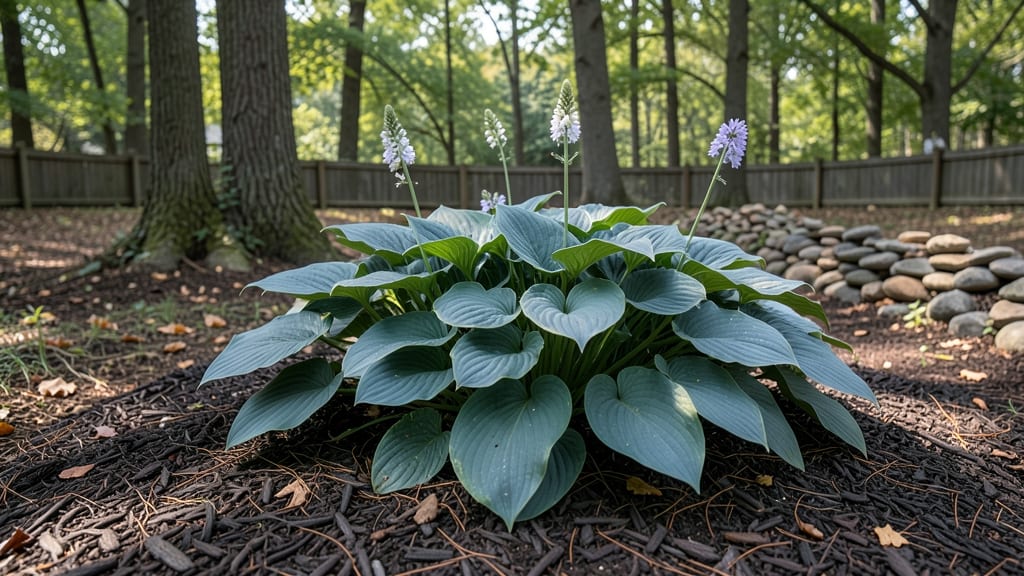
Finding plants that thrive in Texas full shade feels like solving a puzzle—until you realize the right species turn shady spots into lush, year-round green escapes. 🌿 The key is choosing heat-tolerant, drought-resistant plants that handle our intense summers and mild winters without wilting or burning.
My front yard’s shady oak dappled area now bursts with foliage that stays vibrant even when temps hit 100°F, proving you don’t need full sun for a stunning garden.
Native Texas plants like eastern red columbine and Texas betony lead the pack, but non-natives like hostas and heucheras also excel when planted in well-draining, slightly acidic soil. Most need 1-2 inches of water per week once established, though some like cast iron plant thrive with almost no extra care.
The trick is matching moisture levels to each plant’s needs—overwatering is just as deadly as drought in our clay-heavy soils.
What you’ll end up with is a garden that stays cool, green, and thriving even during peak summer heat. Imagine fragrant sweet woodruff spreading under trees, Japanese painted ferns adding texture, and foxglove blooming dramatically in spring.
These plants create a layered, low-maintenance oasis that hums with life year-round without ever needing direct sunlight.
Works equally well for urban yards, woodland gardens, or even container plantings on patios. The best part? Once established, these plants handle Texas’ wild temperature swings like pros—no fuss, no drama, just reliable beauty. Let’s dive into the exact species and care routines that make this possible.
📚 In This Guide
- What you need
- Instructions
- Tips and common mistakes
- Wrapping up and next steps
What you need
- ● Full-shade plants: 5–10 mature plants (e.g., Cast iron plant (Aspidistra elatior), Japanese holly (Ilex crenata), or Texas betony (Stachys coccinea)). Choose based on your zone (7–10).
- ● High-quality soil: 2–3 cubic yards of organic, well-draining potting mix (amend with 20% compost for nutrients).
- ● Mulch: 2–3 inches of pine bark fines or shredded hardwood mulch (retains moisture and regulates soil temp).
- ● Watering can or hose with a soaker nozzle: For gentle, deep watering (1–2 gallons per plant, 2–3x/week).
- ● Gloves & knee pads: Protect your hands and joints during planting.
- ● Trowel or hand shovel: For digging small holes (6" wider than root ball).
- ● Garden fork: Loosens compacted clay soil (common in Texas).
- ● Pruners: Trim dead foliage or shape plants post-planting.
- ● pH test kit: Ensure soil pH is 5.5–7.0 (most shade plants prefer slightly acidic to neutral).
- ● Drip irrigation kit: Automates watering for large gardens.
- ● Confirm your space gets less than 3 hours of direct sun daily (use a sunlight tracker app for 1–2 weeks).
- ● Check for tree roots or underground utilities before digging (call 811 in Texas for utility locates).
- ● Plan for spacious planting: Most shade plants need 3–5 feet of clearance from structures/walls.
Instructions for creating a thriving Texas full shade garden
Here's how to transform dark corners into lush, shade-loving oases that thrive in Texas heat.
🌱 Step 1: Select Native and Adapted Shade Plants
Choose plants proven to handle Texas heat and humidity while thriving in less than 3 hours of direct sun daily. I recommend starting with these four foundation plants: Mexican petunia (Ruellia brittoniana), Texas betony (Stachys coccinea), Cast iron plant (Aspidistra elatior), and Frogfruit (Phyla nodiflora). These handle our alkaline soil and summer heat without fuss.
Mexican petunia's lavender-blue flowers bloom continuously from spring through fall, while Texas betony produces bright red tubular blooms that hummingbirds adore. The cast iron plant earns its name by surviving neglect and poor soil, making it ideal for busy gardeners. Frogfruit spreads quickly, creating a dense ground cover that chokes out weeds.
🪴 Step 2: Prepare the Soil for Moisture Retention
Texas clay soil drains too quickly for shade plants, so amend with 3 inches of organic matter—I use a mix of compost and leaf mold—to improve water retention. Work it into the top 6 inches of soil using a broadfork to avoid compacting the roots. This creates a loose structure that mimics the plant's natural habitat in wooded areas.
For container gardens, use a well-draining potting mix blended with 20% perlite to prevent root rot. The key is maintaining moisture without waterlogging—shade plants in Texas still need consistent hydration. Test your soil's moisture by squeezing a handful; it should hold together but not feel soggy when pressed.
☀️ Step 3: Plant in Spring or Early Fall
Timing matters most in Texas—plant in early spring (February-March) or late summer (August-September) to avoid extreme heat or cold. Dig holes twice as wide as the root ball but only as deep, since planting too deep suffocates roots. Gently loosen the root ball before placing it in the hole to encourage outward growth.
Space plants according to their mature size: 18-24 inches apart for Mexican petunia and Texas betony, 3-4 feet apart for cast iron plant, and let frogfruit spread naturally. Mulch with 2-3 inches of shredded bark to conserve moisture and regulate soil temperature. Water deeply immediately after planting to settle the soil around roots.
💧 Step 4: Establish a Watering Routine
Newly planted shade gardens need 1-1.5 inches of water weekly, delivered either through rainfall or irrigation. I water deeply twice weekly in summer, focusing on the root zone rather than overhead spraying. Use a rain gauge to track accumulation—Texas shade areas often get less rainfall than sunny spots.
Once established (after 6-8 weeks), most of these plants tolerate short dry spells, but their foliage will wilt slightly if neglected. Watch for yellowing leaves on cast iron plant—a sign of overwatering—while Mexican petunia's drooping flowers indicate thirst. Adjust your schedule based on these visual cues rather than sticking to a rigid timetable.
✂️ Step 5: Maintain Through Seasonal Changes
Prune spent blooms from Mexican petunia and Texas betony throughout the growing season to encourage continuous flowering. Cut back one-third of the plant's height in late winter for cast iron plant to refresh its appearance and promote new growth. Frogfruit rarely needs pruning—just trim back any aggressive spread into unwanted areas.
In late fall, apply a 2-inch layer of mulch to protect roots from temperature swings. Texas winters can drop below freezing, and shade plants appreciate this extra insulation. Fertilize lightly in early spring with a balanced 10-10-10 formula—these plants prefer lean conditions and over-fertilizing leads to leggy growth and fewer blooms.
Tips & tricks for perfect Texas shade gardens
Creating a thriving shade garden in Texas doesn't have to be a guessing game—these practical tips will help you avoid common pitfalls and maximize success with your selected plants.
Plant Selection Insight: While Mexican petunia and Texas betony are stunning, consider adding Texas sage (Leucophyllum frutescens) for its silvery foliage and drought tolerance—it thrives in the same conditions but offers a different seasonal interest. For containers, try African violet (Saintpaulia) which handles humidity well and blooms year-round with minimal light. These additions complement your foundation plants beautifully without requiring more sun.
Soil Preparation Secret: The 3 inches of organic matter in Step 2 should include 1 inch of worm castings if available—they improve soil structure and provide gentle, slow-release nutrients. For heavy clay, mix in 1 part coarse sand to the 3 inches of organic matter to create better drainage while maintaining moisture. This creates the ideal balance for Texas shade plants that need to retain water but not sit in soggy conditions.
Timing and Spacing Strategy: When planting in February-March or August-September, check your local frost dates—some Texas zones can experience light freezes even in spring. For extra protection, plant Mexican petunia and Texas betony slightly deeper than recommended (by about 1 inch) in early spring to shield their roots from temperature fluctuations. The 3-4 feet spacing for cast iron plant might seem generous, but it prevents root competition and allows for future expansion of this hardy perennial.
Watering Wisdom: The 1-1.5 inches of water weekly guideline works perfectly, but use a drip irrigation system on a timer for consistency—especially important in Texas where shade areas might get overlooked during watering routines. For container gardens, water when the top 1 inch of soil feels dry rather than sticking to a schedule, as pots dry out faster. The 6-8 week establishment period is crucial—don't rush it, even if plants look established sooner.
Pro Tips for Texas Full Shade Plants
- Creating a thriving shade garden in Texas doesn't have to be a guessing game—these practical tips will help you avoid common pitfalls and maximize success with your selected plants.
- For containers, try African violet (Saintpaulia) which handles humidity well and blooms year-round with minimal light.
- Soil Preparation Secret: The 3 inches of organic matter in Step 2 should include 1 inch of worm castings if available—they improve soil structure and provide gentle, slow-release nutrients.
Frequently asked questions
Got questions about thriving full-shade plants in Texas?
Here are answers to the most common concerns—from soil prep to seasonal care—so you can keep your shade garden flourishing year-round.
What are the easiest full-shade plants for Texas beginners?
Start with cast iron plants (Aspidistra), Japanese ferns (Athyrium), or Mexican bush sage (Salvia leucantha). These are drought-tolerant, low-maintenance, and handle Texas’ heat and humidity like pros. For extra color, try heucheras (coral bells) or impatiens—just keep them consistently moist!
How long does it take for full-shade plants to establish in Texas?
Most shade-loving plants take 4–6 weeks to root in, but full establishment (stronger growth, better drought resistance) can take 6 months to a year. Mulch heavily (2–3 inches) to retain moisture and speed up the process. Pro tip: Water deeply 2–3 times per week during the first month, then taper to weekly.
Do full-shade plants in Texas need extra watering during summer?
Texas summers can dry out shade areas too—especially under live oaks or pines where roots compete for water. Water deeply 1–2 times per week (check soil 1–2 inches down; if dry, water again). Drip irrigation or soaker hoses work best to avoid fungal issues from overhead watering.
Will full-shade plants survive Texas winters without protection?
Most Texas-friendly full-shade plants (like ostrich ferns or sweet woodruff) are hardy to Zone 7–9, so they’ll handle winter temps just fine. Tender perennials (e.g., caladiums) may need mulch (straw or shredded leaves) to protect roots from freeze-thaw cycles. Avoid heavy mulch piles near stems to prevent rot.
What if my full-shade plants look leggy or sparse?
Leggy growth usually means too little light or overcrowding. If your plants are stretching toward light, consider thinning nearby shrubs or moving them to a part-shade spot (2–4 hours of morning sun). For sparse foliage, fertilize lightly with a balanced, slow-release granular fertilizer (10-10-10) in early spring.
Can I replace full-shade plants mid-season if they fail?
Yes! Texas’ mild winters and long growing season let you swap out struggling plants anytime. Choose bare-root or container-grown replacements (like foxglove (Digitalis) or toad lily (Tricyrtis)) and water them daily for 2 weeks to help them recover. Pro tip: Pre-soak roots before planting to reduce transplant shock.
Wrapping up and next steps
Transforming your Texas garden into a thriving, full-shade oasis is easier than you think! With the right low-light-loving plants, you can enjoy vibrant greenery and stunning blooms year-round, even in the hottest, sunniest state.
Whether you’re tackling a shady corner or a dense woodland area, these hardy plants prove that shade doesn’t mean sacrifice—just creativity and care.
Ready to take the next step? Start small—pick one or two plants from this list, observe their progress, and gradually expand your shade garden. Browse local nurseries or check Texas A&M AgriLife Extension for region-specific tips. Your future shade sanctuary is just a few plants away! 🌿✨