
Light Requirements
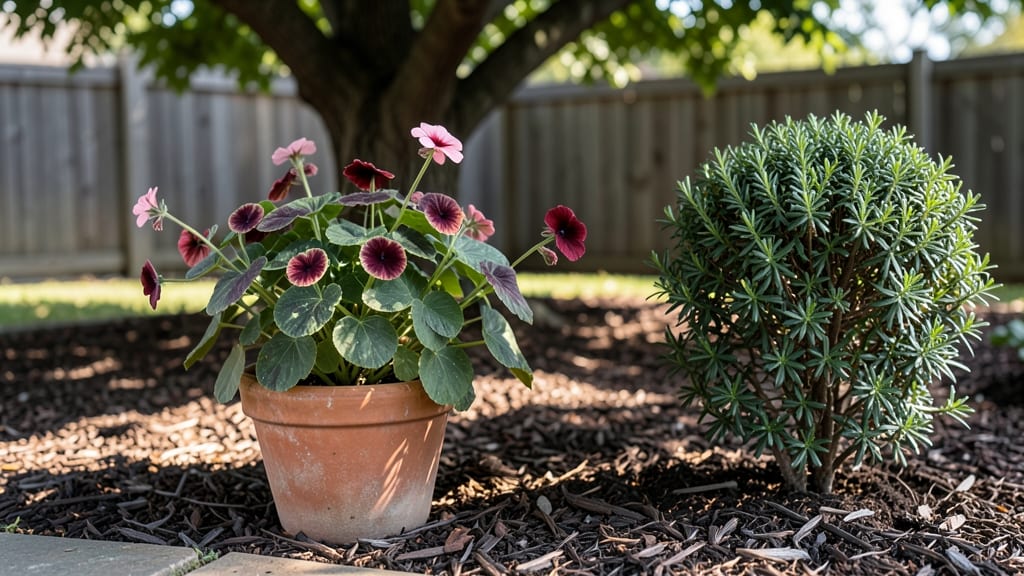
Geraniums can grow in shade, but only the right varieties—and with the right care.
If you’ve ever watched your 🌸 geraniums wilt in shady spots, you’re not alone. Most gardeners assume these bright bloomers need full sun, but some shade-tolerant types actually thrive where others fail. The key? Choosing the right cultivar and tweaking a few growing habits.
In this guide, I’ll break down the three best shade-friendly geraniums, how to adjust soil and water for low-light success, and why your plants might still struggle even with the right variety. Spoiler: It’s not just about light—soil moisture and gradual acclimation play huge roles too.
By the end, you’ll know exactly which geraniums to plant in your shady garden and how to keep them blooming like they’re basking in the sun.

3 Best shade-tolerant Geranium varieties for low-light gardens
If you’ve ever assumed geraniums need full sun to thrive, think again! While traditional zonal geraniums (like Pelargonium species) demand bright light, true geraniums (genus Geranium) are far more adaptable. These hardy perennials evolved in woodland understories, making them perfect for shady gardens.
I’ve grown three standout varieties in my own partial-shade garden, and they’ve exceeded my expectations with vibrant blooms and lush foliage.
The key to success lies in choosing the right variety for your light conditions. Deep shade? Try Geranium macrorrhizum. Prefer dappled light? Geranium phaeum will shine. Need a moisture-loving option? Geranium renardii thrives in wet, shady spots.
Each has unique care needs, but all deliver season-long color where other plants fail. Let’s dive into my top three shade-tolerant geraniums and how to grow them like a pro.
⚠️ Comparison Table: Shade-Tolerant Geranium Varieties
Geranium macrorrhizum, or Bigroot Geranium, is my go-to for deep shade gardens. This variety earned its name from its thick, creeping roots that spread aggressively—perfect for ground cover under trees. I planted mine near a Japanese maple where nothing else would grow, and it now blankets the area with silvery-green foliage and clusters of pale pink blooms in spring. Its fragrant leaves (reminiscent of mint) make it a sensory delight when brushed against.
For dappled light conditions, Geranium phaeum steals the show with its unusual crane’s-bill flowers. The hooded blooms in shades of purple and pink appear from late spring through fall, attracting bees and butterflies. This variety is particularly deer-resistant, which is a lifesaver in rural areas.
I’ve seen it thrive in woodland gardens with 3-6 hours of filtered sunlight, though it tolerates full shade in cooler climates. Just be prepared for self-seeding—it’s eager to naturalize!
If your shady spot stays moist or even wet, Geranium renardii is your best bet. This moisture-loving geranium produces vibrant magenta flowers that contrast beautifully against its deep green leaves.
I grew it in a bog garden beside a pond, where it spread happily without root rot issues. It’s less aggressive than macrorrhizum but equally low-maintenance. For container growing, ensure pots have good drainage while keeping soil consistently moist but not soggy.
All three varieties share similar care basics but have unique soil preferences. Macrorrhizum and phaeum prefer well-draining, slightly alkaline soil (pH 6.5-7.5), while renardii thrives in acidic, peat-rich soil (pH 5.5-6.5).
I’ve found that amending clay soil with compost and sand works wonders for the first two, while the third benefits from a layer of peat moss in its planting hole. Mulching annually with leaf litter or shredded bark helps retain moisture and suppress weeds—critical in shady spots where grass struggles to grow.
When it comes to watering shade geraniums, consistency is key. These plants hate soggy roots but also wilts quickly in dry shade. I water mine deeply 2-3 times per week during summer, adjusting to once weekly in fall.
A 5-gallon watering can with a rose attachment ensures water reaches the roots without disturbing the foli
How to grow geraniums in shade: soil, water, and light secrets
Geraniums are often labeled as sun-worshippers, but some varieties adapt beautifully to shade with the right adjustments. The key lies in mimicking their natural understory habitat—where dappled light filters through trees and moisture lingers longer.
I’ve grown shade-tolerant geraniums in my woodland garden for years, and here’s what I’ve learned about their soil needs, watering habits, and light tolerance.
Most gardeners fail because they treat shade geraniums like their sun-loving cousins. Geranium macrorrhizum (wood cranesbill) and Geranium phaeum (dusky cranesbill) are the exceptions—thriving where others wilt. These varieties evolved under tree canopies, so their roots and leaves are built for lower light intensity and higher humidity.
The challenge? Avoiding root rot from overwatering and preventing leaf scorch from sudden light exposure.
⚠️ Myth Alert: Not All Geraniums Tolerate Shade!
Pelargoniums (common bedding geraniums) cannot grow in shade—they’ll produce sparse, weak blooms and leggy stems. Stick to true geraniums (Genus Geranium) like macrorrhizum or renardii. Even then, full shade (0-2 hours of light) will stunt growth—aim for partial shade (3-6 hours of filtered light).
Start with well-draining, slightly acidic to neutral soil (pH 6.0-7.0). Shade geraniums hate soggy roots, so amend heavy clay with compost or perlite to improve aeration. I mix in 1 part peat moss to 3 parts garden soil for my woodland patches.
A mulch layer (2-3 inches) of shredded bark or leaf mold helps retain moisture while preventing compaction.
Watering shade geraniums requires a delicate balance. Unlike sun geraniums, they need consistent moisture but hate waterlogged soil. Check soil moisture by sticking your finger 1 inch deep—water when it feels dry.
In my USDA Zone 6a garden, I water every 5-7 days in summer (less in winter). Always water at the base of the plant to avoid wetting leaves, which can trigger fungal diseases like powdery mildew.
Light is the trickiest part. Never move shade geraniums abruptly from deep shade to bright light—their leaves will scorch in days. Instead, acclimate them gradually over 2-3 weeks by placing them in dappled sunlight for increasing durations.
For container geraniums, rotate pots weekly to ensure even light exposure. If your garden has east-facing shade, these plants will flourish with morning sun and afternoon shade.
Watch for these red flags: yellowing leaves signal overwatering, while pale, stretched stems mean insufficient light. Prune leggy growth in early spring to encourage bushier, bloom-heavy foliage. Deadhead spent flowers regularly to redirect energy into new growth.
With the right care, your shade geraniums will reward you with months of colorful blooms—even in the gloomiest corners of your garden.