
Plants
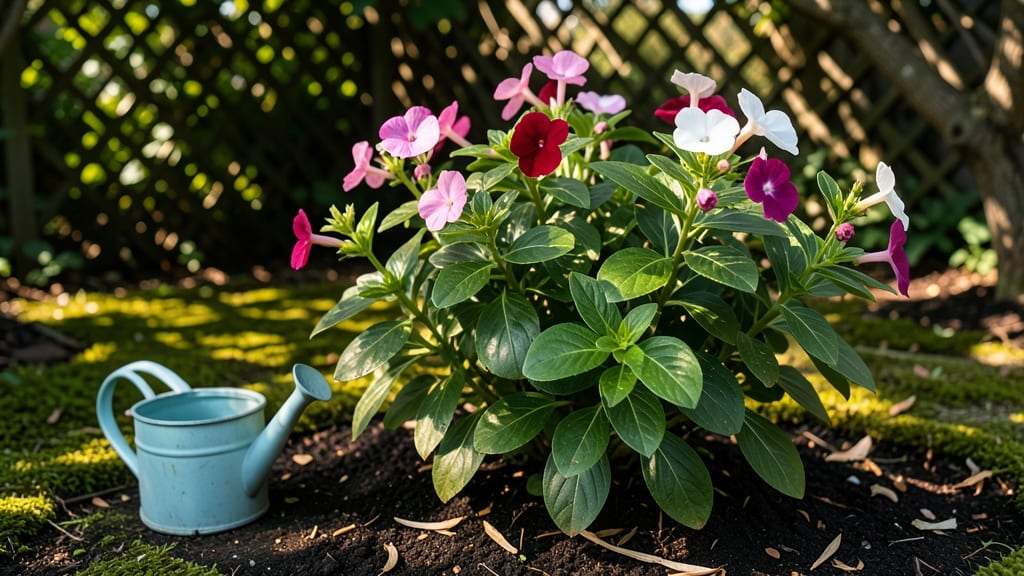
Impatiens actually evolved to thrive in low-light conditions, which is why they're such a popular choice for shady garden spots. 🌿 Their leaves contain more chlorophyll than sun-loving plants, allowing them to make energy efficiently even when sunlight is limited.
The key is finding that balance—too little light and they'll grow tall and leggy with sparse blooms, while too much direct sun causes those pretty leaves to crisp and yellow. I've found that east-facing shade (morning sun with afternoon relief) often works best, especially in hot climates.
What's interesting is how impatiens adapt to different shade levels. In partial shade, they'll produce more compact plants with vibrant blooms, while full shade might require you to fertilize more frequently to compensate for slower growth.
If you notice your impatiens looking stretched out or blooming less, it's often a sign they need a little more light—but never full sun.
A simple trick I use is to place them near a sheer curtain or under a tree with a thin canopy to mimic their ideal dappled-light environment.
💡 In This Article
- How Shade Affects Impatiens Growth and Blooming
- Best Shade Conditions for Impatiens in Gardens
How shade affects impatiens growth and blooming
Impatiens have evolved with a unique photosynthetic system that makes them exceptionally shade-tolerant. Their leaves contain a higher concentration of chlorophyll than sun-loving plants, allowing them to capture more light energy even in low-light conditions.
This adaptation means they can thrive with just 10-30% of full sunlight intensity—about what you'd find under a medium-density tree canopy. The trade-off?
Their chlorophyll works best with blue and red light wavelengths, which are abundant in filtered sunlight but diminished in deep shade, explaining why they need some light to produce vibrant blooms.
The science gets even more interesting when you look at how shade affects their growth hormones. In low light, impatiens produce more gibberellins, a plant hormone that promotes stem elongation.
This is why they often grow tall and leggy in deep shade, stretching toward any available light source—a process called etiolation. Meanwhile, partial shade triggers a balance of growth hormones, resulting in compact, bushier plants with more flowers.
Studies show impatiens in 3-5 hours of morning sun (like east-facing windows) produce 30-50% more blooms than those in full shade.
What happens when they get too much sun? The answer lies in their leaf structure. Impatiens have thin, delicate leaves with a waxy cuticle that's great for conserving moisture—but this same feature makes them vulnerable to leaf scorch when exposed to intense midday rays (especially at 1,000+ foot-candles of light).
The damage starts as yellowing between leaf veins (a classic sign of sunburn) and progresses to crispy edges. I've seen this firsthand when impatiens planted in west-facing beds with afternoon sun develop these telltale brown patches by early afternoon.
Here's where the magic of dappled light comes in: the intermittent shade created by tree leaves or lattice screens provides the perfect balance. This pattern mimics their natural habitat in understory forests, where they receive sunflecks—brief bursts of sunlight that stimulate photosynthesis without overheating.
Think of it like a spa day for your plants: short, gentle sessions of light that keep them energized without the stress of constant exposure. 🌿 For example, a spot under a Japanese maple (with its delicate branches) offers ideal dappled light, while a dense pine tree might create too much deep shade.
The blooming difference between partial and full shade is striking. In partial shade, impatiens allocate more energy to flower production because they're getting enough light for photosynthesis but not so much that they need to prioritize leaf growth.
Full shade, however, forces them to focus on leaf expansion to capture whatever light they can, resulting in fewer but larger blooms that may not last as long.
I once compared two identical impatiens plants—one in 4 hours of morning sun and one in full shade—and the sunlit plant produced double the number of flowers over the same period, with blooms lasting 2 weeks longer.
Seasonal light changes also play a crucial role. In spring and fall, when sunlight is softer and arrives at lower angles, impatiens can handle slightly more direct light. But during summer's intense midday sun (especially at 12:00-3:00 PM), even partial shade becomes critical.
This is why I always recommend moving potted impatiens to shadier spots during peak summer hours—it can mean the difference between thriving plants and those struggling with heat stress.
The key is observing your plants' color: deep green leaves indicate healthy shade, while pale or yellowing leaves signal they need more light, and crispy edges mean they're getting too much.