
Light Requirements
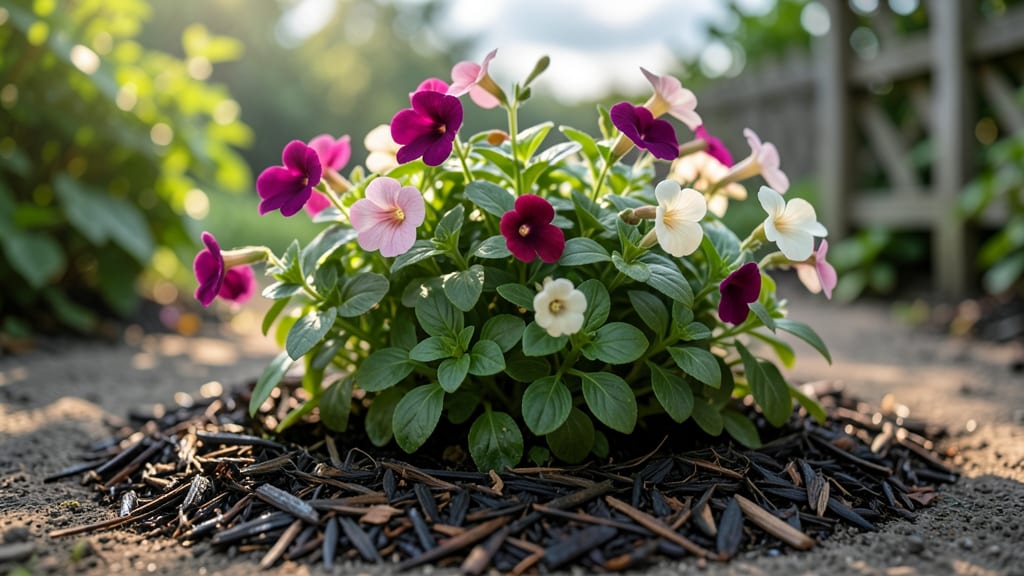
Impatiens will grow in full shade 🌸 and even thrive there, making them the perfect choice for dark corners where other flowers struggle.
If you’ve ever wondered whether your shady garden corner can still host vibrant, blooming impatiens, the answer is a resounding yes—but not all varieties handle low light the same way. Some will burst with color, while others might stretch or fade without enough brightness.
These shade-loving flowers aren’t just for gloomy spots; they’re a gardener’s secret weapon for adding life to areas where sunlight barely reaches. With the right variety and a few care tweaks, you can enjoy lush blooms from June through September without a single ray of direct sun.
Here’s what you need to know about picking the best impatiens for full shade, how to keep them happy, and why they’re the easiest way to brighten up a dim garden.

Best impatiens varieties for full shade gardens (with growth tips)
If your garden has a shady corner that feels like a forgotten spot, impatiens can transform it into a vibrant blooming oasis. These shade-loving beauties thrive where many plants struggle, but not all varieties perform equally.
The key is choosing the right impatiens types and giving them the care they need to flourish in low-light conditions. Let’s explore the best options and how to maximize their potential.
Impatiens, particularly Impatiens walleriana (the classic bedding impatiens) and Impatiens hawkeri (New Guinea impatiens), are famous for their ability to grow in full shade. However, their performance varies based on light exposure, soil moisture, and variety.
Some types may produce fewer blooms or develop leggy stems if not given the right conditions. The good news? With the right choices and care, you can enjoy nonstop color even in the darkest corners of your garden.
Full shade typically means less than 2-4 hours of direct sunlight per day, often found under trees or on north-facing walls. While impatiens can adapt, their bloom intensity and overall health depend heavily on light levels. Let’s dive into the best varieties and how to help them thrive in these conditions.
Among these, Impatiens walleriana is the classic choice for full shade gardens, producing bright, cheerful blooms from spring until frost. However, if your shade is particularly dense (like under a thick canopy), consider Super Elfin or Accent varieties, which are bred specifically for low-light conditions.
These compact types won’t outgrow their space and will still deliver abundant flowers.
For a wider color palette and slightly more heat tolerance, Impatiens hawkeri (New Guinea impatiens) is an excellent alternative. While they can handle a bit more light, they still thrive in shady spots and offer bold, exotic colors like orange and deep red.
If you’re looking for a trailing option, Diamond Falls impatiens will spill beautifully over containers or garden edges, even in low-light areas.
To maximize blooms in full shade, focus on consistent moisture and rich, well-draining soil. Impatiens hate dry soil, so mulch around the base to retain humidity levels. A balanced fertilizer (like 10-10-10) applied every 4-6 weeks will encourage lush growth and prolonged flowering.
Avoid over-fertilizing with nitrogen, as this can lead to leafy growth at the expense of blooms.
One common mistake in shady gardens is assuming all impatiens will perform the same. Leggy growth or sparse blooms often signal that the plant isn’t getting enough light or nutrients. If you notice this, try thinning out nearby plants to improve air circulation and light penetration.
You can also prune back leggy stems to encourage bushier growth and more flower production.
For container gardening in full shade, choose compact varieties like Super Elfin or Accent impatiens. These work beautifully in hanging baskets or window boxes, adding color to patios or balconies that receive little sunlight. Just ensure your containers have
How to care for impatiens in full shade: soil, water, and light hacks
Impatiens love shade, but their care needs shift dramatically when growing in full shade. Unlike their sun-loving cousins, these shade specialists thrive with minimal sunlight—just 2-4 hours of dappled light per day.
The key is adjusting your watering, soil, and feeding routines to prevent common issues like leggy stems or sparse blooms. Let’s dive into the hacks that’ll keep your impatiens lush and blooming all season.
First, soil moisture becomes your top priority. In full shade, soil dries out more slowly, so you’ll need to monitor it closely. Aim for consistently moist (not soggy) soil—stick your finger in about an inch deep. If it feels dry, water deeply until it drains through.
Mulch with 2-3 inches of organic matter (like shredded bark) to retain moisture and keep roots cool. This prevents the soil from drying out too quickly while also suppressing weeds that compete for nutrients.
⚠️ callout-warning ⚠️
While impatiens love moisture, full shade slows evaporation, making it easy to overwater. Yellowing leaves or mushy stems signal root rot. Always use pots with drainage holes if growing in containers, and avoid watering on rainy days to prevent waterlogged soil. Adjust your schedule to every 2-3 days in summer, but reduce to every 4-5 days in cooler months.
Next, let’s talk fertilizer schedules. In full shade, impatiens grow slower, so they need less frequent feeding than sun-exposed plants. Use a balanced 10-10-10 fertilizer every 6-8 weeks instead of monthly.
Start with a light feed in spring (when new growth appears) and switch to a half-strength solution in late summer to avoid burning roots. Organic options like fish emulsion or compost tea work well—they release nutrients slowly, matching the plant’s slower growth rate.
Pruning is another game-changer for shade-grown impatiens. Since they stretch for light, regular pinching encourages bushier growth. Snip off the top set of leaves when stems reach 6 inches tall to prompt side shoots. Deadhead spent blooms weekly to redirect energy into new flowers instead of seed production.
Use clean, sharp scissors to avoid damaging stems, and prune in the morning so wounds dry quickly—this reduces the risk of fungal infections in humid shade.
If your impatiens are looking leggy or sparse, it’s likely due to insufficient light or overcrowding. Move plants to a slightly brighter spot (like under a tree with filtered light) if possible, or rotate containers weekly to ensure even light exposure.
For overcrowded pots, thin out seedlings to 6-8 inches apart—they’ll thank you with more vibrant blooms. A monthly foliar spray with diluted seaweed extract can also boost growth and resilience in low-light conditions.
Finally, watch for pests and diseases that thrive in shady, damp environments. Slugs and snails adore impatiens, so set out beer traps or use copper barriers around containers. Powdery mildew can appear if airflow is poor—space plants 12 inches apart and avoid overhead watering.
With these adjustments, your impatiens will reward you with nonstop blooms from spring to frost, even in the shadiest spots. 🌿