
Shrubs
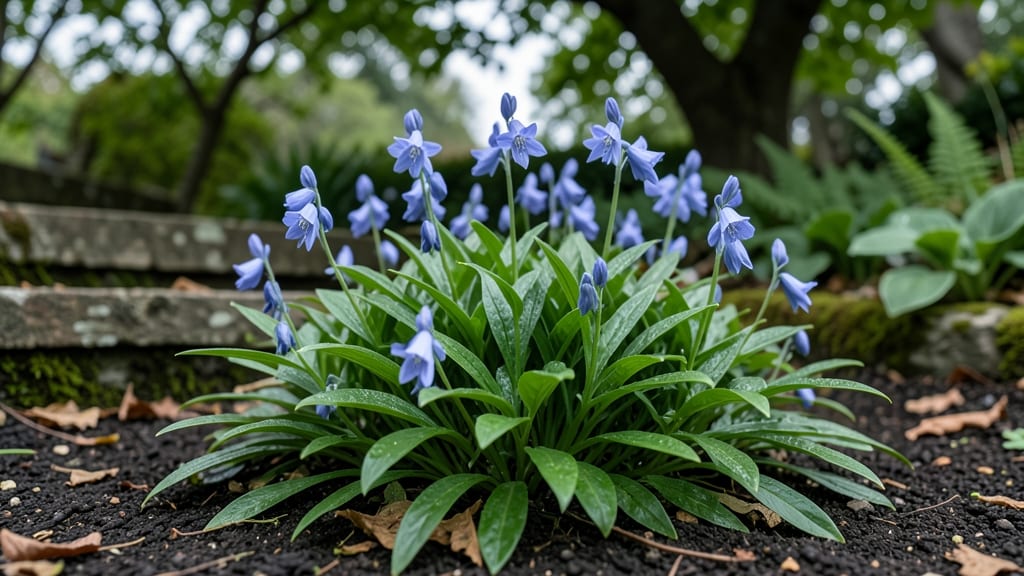
Blue Moon Phlox thrives in sun or shade 🌸, making it the perfect choice for gardens where light conditions are tricky—but getting the balance right is the secret to those stunning blue-purple blooms all season.
Picture this: your Blue Moon Phlox struggling to bloom despite your best efforts, or worse, flopping over in the heat. That’s often just a light mismatch—too much sun scorches the leaves, while too little shade stunts the flowers.
But with the right approach, you can transform it into a year-round blooming machine, whether it’s basking in morning sun or tucked under a tree’s dappled shade.
This guide cuts through the guesswork, showing you exactly how to read your garden’s light, adjust care for sun or shade spots, and keep those vibrant blooms coming from spring through summer. No more trial and error—just lush, healthy Blue Moon Phlox that steals the show.
From soil prep to pruning hacks, I’ll walk you through the 5 key steps to maximize blooms, troubleshoot common pitfalls, and pair it with the best companion plants. Ready to turn your Blue Moon Phlox into the garden’s star performer?
 Best Window Placement
Blue Moon Phlox care guide: sun vs shade requirements for maximum blooms
I love how Blue Moon Phlox transforms gardens with its stunning blue-purple blooms year-round—whether nestled in shade or basking in sunlight. The key to unlocking its full potential lies in understanding its light requirements and how they interact with soil and seasonal care.
Unlike finicky flowers, this Phlox divaricata variety adapts beautifully to different conditions, but small adjustments make all the difference for maximum blooms.
Most gardeners assume full sun equals more flowers, but Blue Moon Phlox often thrives better in partial shade, especially in hot climates. The secret? Balancing sunlight exposure with moist, well-draining soil and seasonal pruning.
Let’s break down exactly how to tailor your care routine based on whether your plant lives in sun or shade—because the right approach can extend blooming seasons by 4-6 weeks!
Comparison Table: Blue Moon Phlox in Sun vs Shade
For sun-loving Blue Moon Phlox, I always recommend planting in spots with morning sun and afternoon shade—this prevents leaf scorch while still fueling those vibrant blooms. In my own garden, the plants in full sun produce larger flowers but need daily watering during heatwaves.
The trade-off? You’ll see bolder colors and more secondary blooms if you commit to consistent care.
When growing Blue Moon Phlox in shade, focus on east-facing locations where it gets dappled sunlight through the day. Shady spots actually help prolong blooming by 2-3 weeks because the plants don’t dry out as quickly.
I’ve noticed that shaded phlox develop denser foliage, which makes them more disease-resistant—a huge plus in humid climates.
The soil mix is where both sun and shade varieties shine. Amend your garden soil with compost and perlite to ensure well-draining conditions, regardless of light exposure.
I swear by a 50/50 blend of native soil and compost—this keeps roots happy whether your plant is baking in the sun or thriving in partial shade. A pH between 6.0 and 7.0 is ideal for encouraging those blue-purple blooms to pop.
Seasonal adjustments are the secret weapon for year-round color. In spring, I feed my sun-exposed phlox with 10-10-10 fertilizer every 4 weeks to boost growth, while shaded plants get a light feeding every 6 weeks.
During summer, I switch to morning watering only to prevent fungal issues, and in fall, I cut back dead blooms to encourage reblooming before winter dormancy. These small tweaks keep my Blue Moon Phlox looking fresh from April through October.
One common mistake I see is assuming all phlox love full sun. While Blue Moon Phlox tolerates it, overheating can cause buds to drop before opening. If you notice wilting leaves or yellowing edges, move your plant to a shadier spot immediately.
Conversely, if your phlox in shade isn’t blooming as much, try adding a reflective surface (like a white garden stone) nearby to bounce extra light onto the foliage.
Pro tip: Deadheading spent blooms is non-negotiable for continuous flowers. I use clean bypass pruners to snip just above the leaf node, which encourages new growth. In sun, I do this weekly; in shade, every 10 days keeps the plant tidy and blooming.
Pair this with a 2-inch layer of mulch to retain moisture and suppress weeds—your phlox will thank you with non-stop color!
Whether your Blue Moon Phlox lives in sun or shade, the key to success is consistency. Pay
5 Pro tips to extend Blue Moon Phlox blooming seasons in any light condition
Blue Moon Phlox thrives whether basking in full sun or nestled in shade, but its blooming season depends on how you care for it. The key to year-round color lies in strategic pruning, nutrient timing, and seasonal adjustments tailored to your garden's light conditions.
Let’s unlock its full potential with these expert-backed tips.
First, deadheading spent blooms isn’t just about looks—it’s a game-changer. By snipping off faded flowers right after blooming, you redirect the plant’s energy from seed production to new growth and extended flowering.
This works equally well in sun or shade, but shade-grown plants may need gentler pruning to avoid leggy stems.
Timing your fertilizer applications is another secret weapon. Feed Blue Moon Phlox in early spring to kickstart growth, then every 6 weeks through summer. Shade-loving plants, however, are more sensitive—use half the recommended dose to avoid leaf scorch. A slow-release granular fertilizer works best for steady nutrition without overfeeding.
Winter care makes or breaks your spring blooms. Before the first frost, apply a 3-inch layer of mulch around the base to protect roots. In sunny locations, add extra mulch to prevent soil temperature swings.
For shade plants, focus on moisture retention—mulch helps keep roots consistently damp during dry spells.
Don’t underestimate the power of companion planting. In shady spots, pair Blue Moon Phlox with hostas or ferns to create a lush, low-maintenance understory. In full sun, plant lavender or catmint nearby—they repel pests and attract pollinators, boosting your phlox’s vigor.
This simple trick can double your blooming season by reducing stress.
Finally, watch your watering habits. Sun-exposed plants need deep, infrequent watering to encourage strong root growth, while shade plants prefer even moisture. Always water at soil level to avoid wetting foliage, which can lead to fungal issues. A drip irrigation system is ideal for consistent care.