
Shrubs
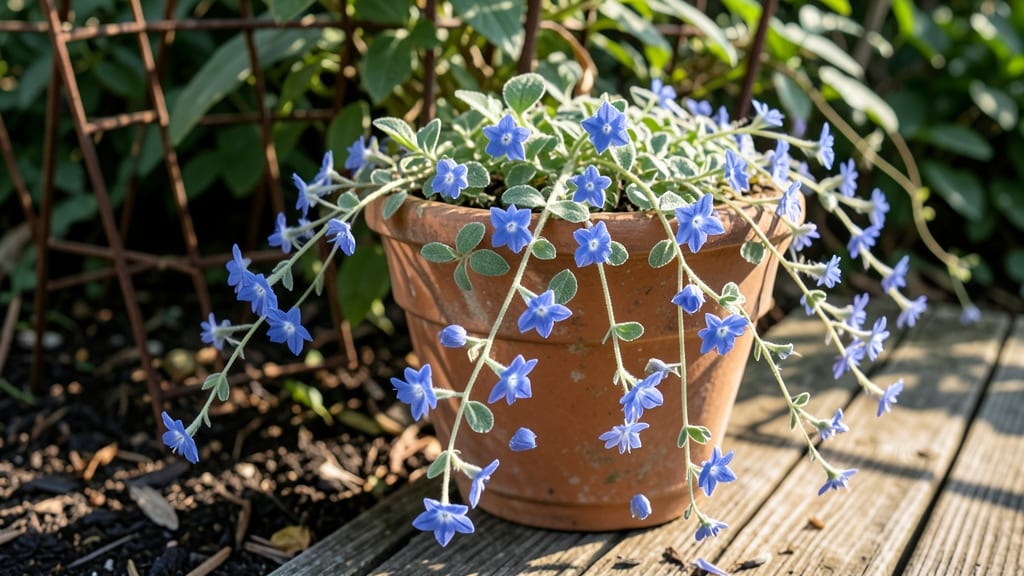
The Blue Star Creeper thrives in sun or shade—but only if you get the balance right 🌸. Too much direct sunlight and its delicate blooms will fade; too little light, and it’ll stretch out weakly, struggling to produce those signature star-shaped flowers.
Picture this: a lush garden corner where the Blue Star Creeper cascades over a wall, its sky-blue flowers popping against green foliage. But here’s the catch—most gardeners either smother it in harsh afternoon rays or tuck it away in deep shade, both of which rob it of its vibrant potential.
This guide cuts through the guesswork by breaking down exactly how much light your Blue Star Creeper needs—whether you’re planting it in a 6a zone, a container, or as a ground cover.
We’ll cover the ideal spots, how to spot light stress, and even how to tweak care for seasonal changes.
By the end, you’ll know how to coax year-round blooms without burning a leaf. Ready to unlock that show-stopping display?
 Best Window Placement
Blue Star Creeper sun vs. shade requirements: the perfect light balance
The Blue Star Creeper (Isotoma petraea) thrives in conditions that mimic its natural woodland habitat, where dappled sunlight filters through canopies. This delicate vine needs partial shade—typically 2-4 hours of morning sun followed by afternoon shade—to produce its signature vibrant blue flowers.
Understanding its light preferences is key to avoiding common pitfalls like leaf scorch or sparse blooming, which often stem from incorrect light exposure.
In my experience, gardeners in Southern climates (Zones 8-10) should prioritize afternoon shade to protect the plant from intense heat, while those in Northern regions (Zones 3-6) can offer more morning sun without risk.
The goal is to replicate the filtered sunlight of its native understory environment, where temperatures remain cooler and humidity stays higher.
| Light Condition | Daily Sun Exposure | Ideal Location | Flowering Impact | Growth Rate |
|---|---|---|---|---|
| Partial Shade | 2-4 hours morning sun | Under trees, east-facing beds, or near north walls | Vibrant, abundant blooms | Moderate, bushy growth |
| Filtered Sun | Dappled light all day | Open woodland gardens, lattice under trees | Bright but slightly reduced blooms | Slow but dense foliage |
| Full Shade | 0-1 hour indirect light | North-facing walls, deep shade gardens | Pale flowers, sparse blooming | Leggy, weak stems |
| Full Sun | 6+ hours direct sun | South-facing beds (avoid) | Burnt edges, no flowers | Stunted, crispy leaves |
When selecting a spot for your Blue Star Creeper, look for areas with indirect sunlight and natural shade from nearby trees or structures. A north-facing wall or east-facing garden bed often provides the perfect balance, especially in hotter climates.
If your garden lacks natural shade, consider using a lattice or trellis with a sheer fabric to diffuse harsh sunlight.
The intensity of sunlight directly impacts the plant’s flowering potential. In partial shade, you’ll see the most vibrant blue blooms from spring through fall, while full sun exposure can cause the leaves to yellow or crisp within weeks.
Even in cooler Northern climates, afternoon shade is crucial during summer months to prevent heat stress.
One common mistake I see is placing Blue Star Creeper in containers without considering their light mobility. If you grow it in pots, rotate them weekly to ensure even light exposure on all sides.
This prevents one-sided growth and keeps the plant compact. For ground covers, interplant with taller shade-providing shrubs like hydrangeas or azaleas to create a microclimate with ideal light conditions.
Regional adjustments are essential: in Southern gardens, prioritize afternoon shade with morning sun, while Northern gardens can handle more direct light, especially in spring and fall.
Always monitor your plant’s leaf color—dark green leaves indicate healthy light exposure, while yellowing or pale leaves signal too much shade or sun, respectively.
For container gardening, place your Blue Star Creeper near a north-facing window or under a patio umbrella to control light exposure. If you notice stretched stems or fewer flowers, it’s likely getting too much shade.
Conversely, brown leaf edges mean it’s receiving too much direct sun. Adjusting its location can often revive struggling plants within weeks.
Pro tip: Use a
Signs your Blue Star Creeper isn’t getting enough (or too much) light
Your Blue Star Creeper (Isotoma fluviatilis) might be silently screaming for help if its leaves are turning yellow between veins—a classic sign of too much direct sun. This stunning vine thrives in partial shade but can’t handle harsh afternoon rays.
Even worse, leggy, sparse growth with few blooms? That’s your plant stretching toward light it can’t reach, like a gardener squinting into the sun.
Don’t panic—fixing light stress is simpler than you think. Start by observing where your plant struggles: scorched leaf edges mean too much sun, while pale, weak stems signal it’s starving for light. The key is balance, and I’ll show you exactly how to create it without guessing.
Light Stress Warning
Blue Star Creeper needs 2-4 hours of morning sun max—afternoon sun is its enemy. If your plant shows brown leaf tips or wilting, move it to a spot with dappled shade (like under a tree canopy). In containers, rotate them weekly to prevent uneven light exposure.
Adjusting your plant’s light exposure might require a simple relocation or even a light-colored shade cloth (30-50% blockage) if you’re stuck with harsh sunlight. For indoor growers, a north-facing window is ideal—south-facing windows can fry those delicate blue blooms faster than you can say "pruning shears."
Once you’ve moved your creeper to the perfect spot, reduce fertilizer for 2-3 weeks. Too much nitrogen when light is wrong causes leafy but flowerless growth. Instead, focus on balanced 5-10-10 fertilizer every 6 weeks during spring and fall.
Think of it like adjusting your plant’s diet—too many carbs (nitrogen) when it’s not getting enough "sunshine" (light) just makes it sluggish.
Leggy growth? Prune back by 1/3 to encourage bushier, fuller habits. Cut just above a leaf node, and your plant will redirect energy to thicker stems and more blooms.
Time your pruning for early spring when new growth is about to sprout—it’s like hitting the reset button on your creeper’s light meter.
Pro tip: Mulch heavily around your Blue Star Creeper to retain moisture if you’ve moved it to a shadier spot. The roots will thank you by sending energy upward instead of struggling to stay hydrated.
And if your plant still looks sad after 4-6 weeks? It might need a transplant to a location with better light conditions—sometimes, even the most patient gardener has to admit defeat and start over.