
Shrubs
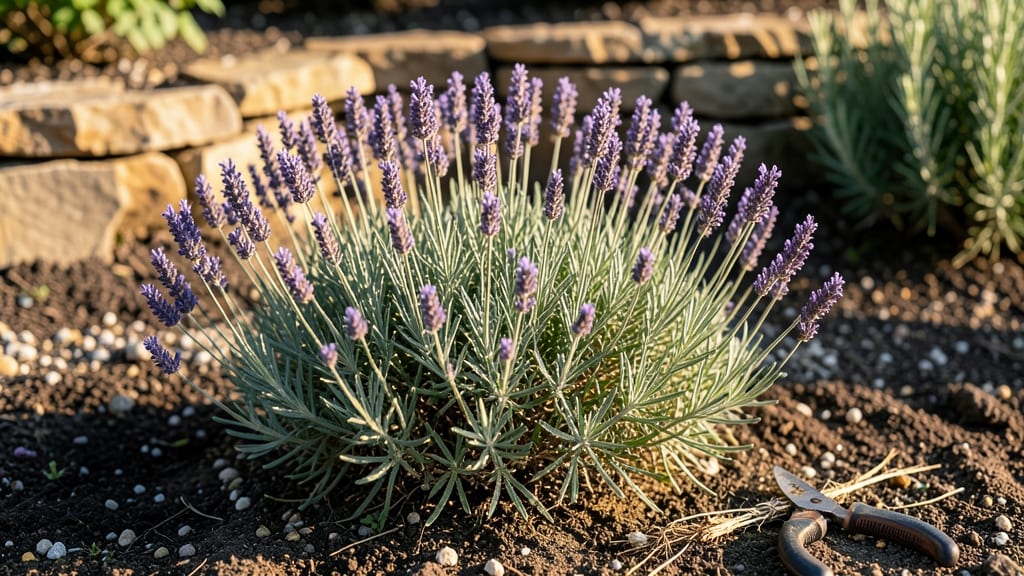
Growing English lavender in sun or shade depends on one key factor: at least 6 hours of sunlight to unlock its signature fragrance and blooms.
English lavender’s delicate purple blooms and calming fragrance make it a garden staple—but can it thrive in shade? The answer isn’t as simple as you’d think, and getting it right means the difference between lush, fragrant plants and struggling survivors.
While most varieties crave full sun, a few shade-tolerant cultivars like 'Hidcote' or 'Munstead' can handle partial shade—if you tweak soil, watering, and pruning. The trick? Mimic sun exposure with well-draining soil and strategic placement near reflective surfaces.
Here’s how to adjust care based on light, from sun-drenched borders to dappled shade spots, so your English lavender 🌿 thrives year-round.
 Best Window Placement
Sunlight requirements for English lavender: how much light does it really need?
English lavender (Lavandula angustifolia) is famous for its fragrant purple blooms and drought-resistant nature, but its sunlight needs often get misunderstood. While most gardeners assume it thrives only in full sun, the truth is more nuanced.
This hardy shrub can adapt to partial shade, but with critical adjustments to care and cultivar selection.
In my experience, 6-8 hours of direct sunlight produces the most vigorous growth and abundant blooms. However, in regions with intense afternoon sun (like the American Southwest), afternoon shade can prevent leaf scorch while still meeting the plant’s light requirements.
The key lies in understanding how light deprivation affects different cultivars and what signs to watch for.
Here’s the critical breakdown: English lavender’s sun tolerance varies by variety. Some cultivars, like 'Hidcote' and 'Munstead', handle 3-4 hours of shade better than others, while 'Grosso' or 'Provence' types demand full sun to prevent leggy stems.
The difference comes down to their native growing conditions and genetic adaptations.
Signs of light deprivation in English lavender include sparse blooms, long, weak stems, and pale, sparse foliage. If your plant looks stretched or bare, it’s likely not getting enough light. Even shade-tolerant varieties will produce fewer flowers and weaker essential oils in low-light conditions, which defeats the purpose of growing lavender for its fragrance and therapeutic properties.
Now, let’s compare how different light conditions affect English lavender’s growth, health, and blooming potential in this sun vs. shade comparison table:
For gardeners in hot climates (like Arizona or California), afternoon shade is a game-changer. I’ve seen lavender plants in full sun during summer afternoons develop brown, crispy leaves within weeks.
To prevent this, I recommend placing lavender where it gets morning sun and afternoon shade, especially in USDA Zones 9-11. This mimics the plant’s natural Mediterranean habitat, where summers are dry and intense.
If you’re growing English lavender in containers, sunlight needs become even more critical. Containers heat up faster and dry out quicker, so rotate pots every few weeks to ensure even light exposure.
In shade gardens, use reflective surfaces (like light-colored gravel or mirrors) to bounce extra light onto the plants. This can add 1-2 extra hours of effective sunlight, making a noticeable difference in bloom production.
One common mistake I see is assuming all English lavender varieties are equal when it comes to shade tolerance. For example, 'Loddon Pink' is a dwarf variety that handles partial shade better than 'Grosso', which is bred for full sun and maximum oil production.
Always check the cultivar’s care tag or breeders’ notes to avoid disappointment. If you’re unsure, start with 'Hidcote'—it’s the most adaptable for shade gardens.
To maximize blooms in partial shade, focus on soil quality and pruning. Well-draining, sandy soil with added compost helps lavender thrive even with less light. Prune in early spring to encourage bushier growth and remove any woody or dead
Shade-tolerant English lavender varieties: which ones can survive low-light gardens?
Not all English lavender varieties thrive in shade, but a few shade-tolerant cultivars can adapt beautifully to partial shade conditions. These varieties sacrifice some fragrance intensity but still produce sturdy stems and blooms when given the right care.
The key is choosing the right cultivar and optimizing your garden setup for indirect light exposure.
For shade gardening, focus on compact varieties that tolerate 3-6 hours of sunlight daily. These plants often grow slower but develop denser foliage and smaller flower spikes.
Pair them with light-reflecting mulches or tall companion plants to maximize their limited light exposure. Let’s explore the best options for your low-light garden.
Top Shade-Tolerant English Lavender Varieties
- Hidcote – Dark purple blooms, compact 18-inch height, thrives in 3-4 hours of sun
- Munstead – Classic lavender hue, 24-inch height, tolerates morning sun only
- Alba – White flowers, 20-inch height, adapts to dappled shade with reflective surfaces
- Little Lady – Miniature variety, 12-inch height, ideal for containers in shade
- Twickel Purple – Deep violet blooms, 18-inch height, handles filtered light near trees
Pro Tip: Pair these varieties with light-colored gravel or white mulch to enhance light reflection.
When planting shade-tolerant lavender, prioritize well-draining soil to prevent root rot. Amend heavy clay with sand or perlite and avoid waterlogged spots. These varieties also benefit from seasonal pruning to maintain their compact shape and encourage new growth in spring.
Companion plants can make a big difference in shade gardens. Pair your lavender with light-loving perennials like sedum or catmint, which reflect sunlight onto lavender stems.
Avoid planting near large shrubs or trees that block all light, as this will stunt growth entirely. Instead, create a sunny microclimate by arranging plants strategically.
To maximize blooms in shade, fertilize lightly in early spring with a phosphorus-rich formula (5-10-10). Avoid nitrogen-heavy feeds, which promote leafy growth over flowers. Deadhead spent blooms to redirect energy into new flower production and trim leggy stems in late summer to maintain vigor.
With these adjustments, your shade-tolerant lavender can still deliver fragrant, colorful blooms year after year.
Remember, even shade-tolerant varieties will struggle without any direct light. If your garden gets less than 3 hours of sun, consider growing lavender in containers near a sunny window or on a south-facing patio.
The right cultivar and care make all the difference for these resilient plants. 🌿