
Shrubs
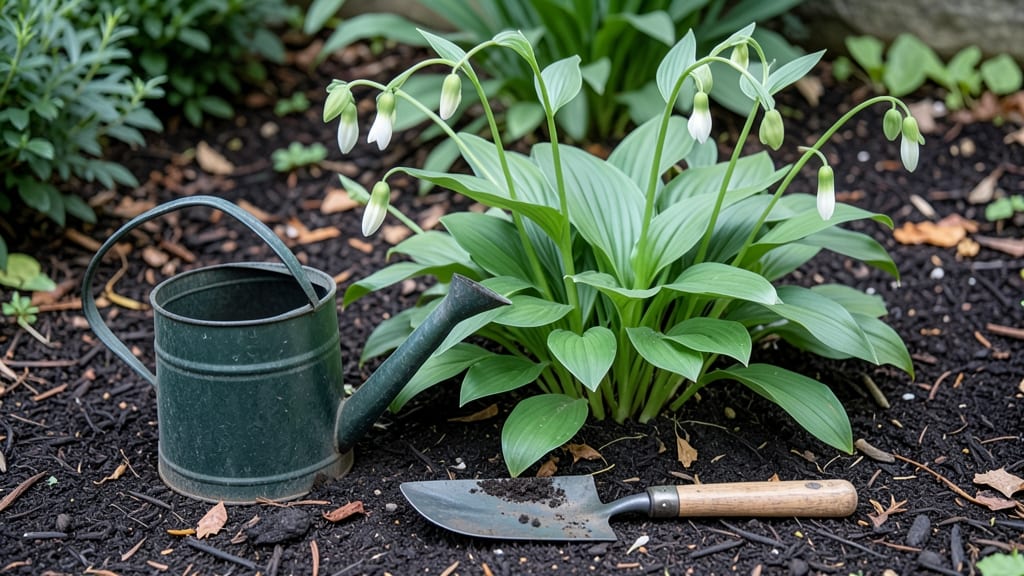
Solomon's Seal thrives in partial shade 🌿, but its sun or shade tolerance depends on your climate and the specific variety you're growing.
Struggling to decide whether your Solomon’s seal thrives in sun or shade? Get the light requirements right, and this graceful perennial will reward you with lush foliage and striking arching stems—get it wrong, and you’ll face wilting leaves or leggy growth.
The key lies in understanding how much sunlight it can handle without stress, especially in hotter zones where afternoon sun can scorch its delicate leaves.
Most varieties prefer dappled sunlight or morning sun with afternoon shade, making it perfect for planting under trees or along north-facing walls.
If you live in a cooler region, like USDA Zone 6a, it can even tolerate a bit more sun, but always monitor the leaves for signs of stress like yellowing or browning edges.
Below, I’ll break down the ideal light conditions, how to adjust care based on your garden’s exposure, and practical tips to keep your Solomon’s Seal looking its best year-round.
 Best Window Placement
Ideal light conditions for Solomon’s seal: sun vs shade requirements
Solomon’s seal (Polygonatum spp.) is one of those elegant perennials that thrives with just the right balance of light. Too much sun, and you’ll see scorched leaves or stunted blooms—too little, and your plant might stretch awkwardly toward any available light, producing weak stems and fewer flowers.
The key is understanding how different varieties handle light, because not all Solomon’s seals are created equal.
Most gardeners find partial shade works best for this plant, but the exact light needs can vary depending on the specific cultivar. For example, Polygonatum odoratum (common Solomon’s seal) tolerates more shade than Polygonatum commutatum (giant Solomon’s seal), which can handle a bit more sun.
Knowing these differences helps you place your plants where they’ll flourish.
🌿
| Variety | Light Needs | Tolerance Range | Signs of Stress |
|---|---|---|---|
| Polygonatum odoratum | Partial shade | 2-4 hours sun/day | Yellowing leaves, sparse blooms |
| Polygonatum commutatum | Partial sun to partial shade | 3-5 hours sun/day | Brown leaf tips, crispy edges |
| Polygonatum biflorum | Partial shade to full shade | 1-3 hours sun/day | Leggy growth, pale stems |
| Polygonatum hybrid cultivars | Partial shade (varies by type) | 2-4 hours sun/day | Stunted growth, weak flowers |
If you’re planting Solomon’s seal in a sunny garden, focus on morning sun with afternoon shade to prevent leaf scorch. In hot climates, even 3-4 hours of direct sun can be too much, leading to brown patches on leaves.
I’ve seen this happen in my own garden when I initially placed my Polygonatum odoratum in a south-facing spot—it took a few weeks of adjusting to recover.
On the flip side, if your Solomon’s seal isn’t getting enough light, you’ll notice pale, weak stems and fewer flowers. This is especially true for shade-loving varieties like Polygonatum biflorum, which can become leggy and sparse if deprived of adequate light.
The solution? Move it to a location with dappled sunlight, like under a tree canopy or near a north-facing wall.
🌳
One of the best ways to gauge whether your Solomon’s seal is happy with its light conditions is to monitor its foliage and blooms. Healthy plants should have deep green leaves and arching stems with clusters of bell-shaped flowers.
If you see yellowing leaves, it’s likely getting too much sun. If the leaves are pale and sparse, it needs more light. I always check these visual cues before deciding whether to move a plant or adjust its surroundings.
Another trick is to observe the soil moisture. Solomon’s seal in full sun tends to dry out faster, requiring more frequent watering to prevent stress. In contrast, shade-grown plants may stay moist longer, reducing the need for water.
This balance is crucial for maintaining root health and preventing fungal issues like root rot.
💧
For container-grown Solomon’s seal, light requirements are even more critical. Since pots have limited space for roots, the plant relies heavily on the light it receives to thrive. Place containers in spots with bright, indirect light, such as under a patio awning or near a covered porch.
Avoid placing them in full sun, as the roots can overheat, leading to wilting or leaf drop.
If you’re unsure about your garden’s light conditions, try using a light meter or simply observe how sunlight moves across your yard throughout the day. Most Solomon’s seal varieties do best with morning sun and afternoon shade, mimicking the natural dappled light found under forest canopies.
This setup ensures your plants get enough light to photosynthesize without overheating.
🌞
How to adjust light exposure for maximum Solomon’s seal growth
Solomon’s seal thrives in partial shade, but its light needs can shift based on your climate and garden layout. In hotter regions, it prefers morning sun and afternoon shade, while cooler areas can handle more filtered light.
The key is monitoring leaf color—yellowing signals too much sun, while pale stems mean it’s craving more light.
For garden beds, position your Solomon’s seal under deciduous trees or near structures that cast dappled shade. This mimics its natural woodland habitat while protecting it from harsh afternoon rays.
If growing in containers, choose a spot that receives 2-4 hours of bright indirect light daily, like a shaded patio or balcony.
- 🌳 Garden Beds: Plant 3-5 ft from tree trunks for dappled shade
- 🪴 Containers: Use self-watering pots with east-facing placement
- 🌡️ Seasonal Adjustments: Move to sunnier spots in winter, shade in summer
- 💧 Mulching: Apply 2-3 inches of organic mulch to protect roots from temperature swings
- 🌿 Companion Plants: Pair with hostas or ferns for shared shade needs
Adjust light exposure gradually—sudden changes can stress your plant. If relocating, move it incrementally over 2-3 weeks to allow acclimation. For indoor growers, supplement with a grow light (12 hours/day) if natural light falls below 2 hours. Watch for stretched stems, which indicate insufficient light.
In full sun climates, provide afternoon shade using sheer curtains or lattice screens. For shady gardens, ensure the area gets at least 2 hours of morning sun to prevent weak growth. Always check soil moisture—dry soil in shade can stress plants more than insufficient light.
Pro tip: Use a light meter (or phone app) to measure foot-candles in your garden. Solomon’s seal prefers 500-1,000 foot-candles—any lower, and growth may slow. Pair these adjustments with regular pruning to maintain an open canopy for better light penetration to lower leaves.
With the right light balance, your Solomon’s seal will reward you with arching stems, glossy foliage, and fragrant blooms year after year. Start with these adjustments, and watch your plant thrive in its perfect light haven! 🌿