
Light Requirements
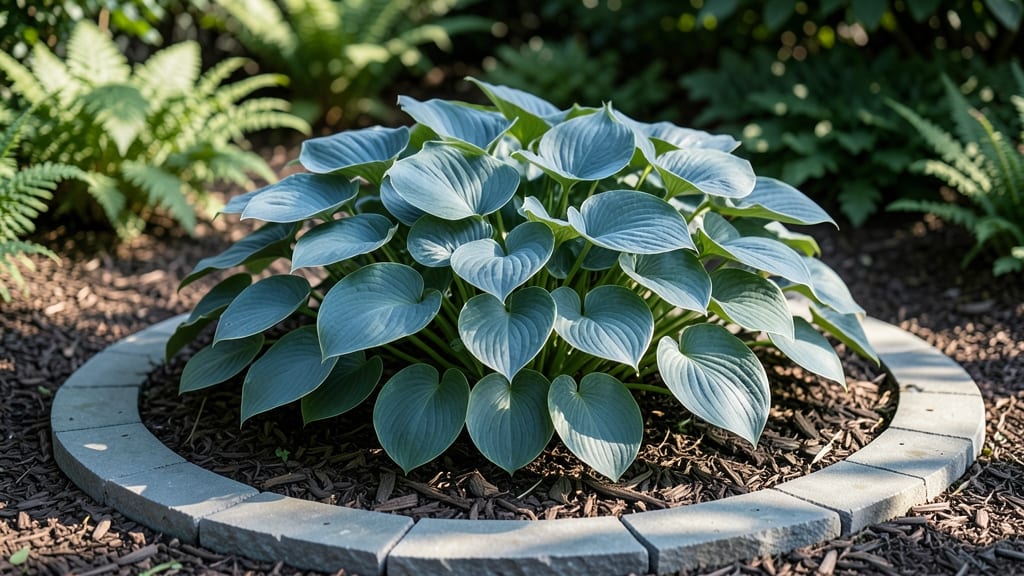
Shade-tolerant perennials transform dull corners into lush, vibrant spaces. 🌿 I used to think shade meant boring green patches, but these plants prove otherwise—giving you bold colors and textures even where sunlight barely reaches.
The secret lies in choosing the right mix for your specific shade conditions, whether under towering oaks or against north-facing walls.
Start with a few key players like heuchera for its stunning foliage, astilbe for feathery plumes, and hostas for their classic, reliable greenery. These thrive in partial to full shade, with some handling just a few hours of morning sun.
The beauty? They layer perfectly—plant taller varieties at the back, mid-height ones in the middle, and trailing types like lamium at the front for a cascading effect.
You’ll end up with a garden that stays visually rich year-round, from spring’s delicate blooms to autumn’s fiery foliage. These perennials also reduce maintenance—no wilting, no struggling for light—just steady, reliable growth that outshines traditional shade plants.
Plus, they attract pollinators even in low-light spots, turning your garden into a thriving ecosystem.
Perfect for small urban yards, woodland gardens, or any spot where sunlight is scarce. Here’s how to pick the right plants for your shade level and design them into a cohesive, low-fuss space that never feels dull. Let’s bring your shady spots to life!
📚 In This Guide
- What you need
- Instructions
- Tips and common mistakes
- Wrapping up and next steps
What you need
- ● Shade-tolerant perennial plants: Choose 3–5 varieties (e.g., Hosta, Heuchera, Astilbe, Ferns, or Bleeding Heart). Opt for nursery-grown plants with established root systems (1–2 gallon pots).
- ● High-quality potting mix: 2–3 bags (18–20 qt each) of peat-free, well-draining mix (e.g., Pro-Mix BX or FoxFarm Ocean Forest).
- ● Garden soil (if planting in-ground): Amend with 2–3 inches of compost per planting area to improve drainage and fertility.
- ● Organic mulch: 1–2 bags (2–3 cubic feet) of shredded bark or wood chips (3–4 inches deep) to retain moisture and suppress weeds.
- ● Garden tools: Trowel (for small holes)
- ● Garden spade or shovel (for larger plantings)
- ● Pruning shears (to trim dead foliage post-planting)
- ● Garden gloves (to protect your hands!)
- ● Watering can or hose: With a gentle spray nozzle for delicate roots.
- ● Slow-release fertilizer: Granular or spike form (e.g., Osmocote Smart-Release) for a nutrient boost.
- ● Container garden supplies: If planting in pots, use 12–18-inch containers with drainage holes.
- ● Shade fabric: For areas with partial shade (e.g., 30–50% shade cloth) to mimic low-light conditions.
- ● Plant stakes or labels: To track varieties and support tall perennials (e.g., Astilbe).
How to select and plant shade-tolerant perennials for year-round beauty
Here's my foolproof approach to choosing and establishing shade-loving perennials that thrive without direct sunlight.
🌱 Step 1: Choose the Right Plants for Your Shade Conditions
Not all shade is equal—identify whether your area receives dappled shade (filtered light through trees), partial shade (3-6 hours of indirect light), or full shade (less than 3 hours of light). For full shade, opt for hostas, ferns, and astilbes. In partial shade, try hellebores, lungwort, or Japanese painted ferns. I always check the plant tag for light requirements, as some labeled "shade-tolerant" still need morning sun.
Consider your hardiness zone—plants like Hosta 'Blue Angel' or Astilbe 'Fanal' thrive in zones 3-8, while Tiarella 'Coral Bells' adapts to zones 4-9. Group plants with similar moisture needs together to simplify care. For example, pair moisture-loving ferns with hellebores that prefer consistently damp soil.
🪴 Step 2: Prepare the Soil for Shade-Loving Plants
Shade gardens often have compacted, nutrient-poor soil due to lack of sunlight. Amend the soil with 3-4 inches of organic matter like compost or well-rotted leaf mold before planting. I use a garden fork to loosen the soil to a depth of 12 inches, breaking up any clay layers that restrict root growth. For acidic-loving plants like azaleas or rhododendrons, mix in sulfur or peat moss to lower the pH.
Test your soil’s moisture retention—shade plants often suffer from soggy roots. If water pools on the surface after rain, improve drainage by adding coarse sand or perlite. A simple percolation test (dig a 6-inch hole, fill with water, and time how long it drains) helps determine if amendments are needed.
☀️ Step 3: Plant at the Right Depth and Spacing
Dig holes twice as wide as the root ball but only as deep as the container’s base—planting too deep suffocates roots. Gently tease apart roots that circle the container to encourage outward growth. Place the plant so the top of the root ball sits level with the soil surface—burying the crown invites rot, while exposing it risks drying.
Space perennials according to their mature size: hostas need 2-3 feet apart, while astilbes thrive 18-24 inches apart. Overcrowding leads to competition for nutrients and increased disease risk. After planting, water deeply to eliminate air pockets and help roots settle into the soil.
💧 Step 4: Water and Mulch for Long-Term Success
Shade plants rely on consistent moisture—water deeply once a week during the first growing season, ensuring the soil is damp 6 inches down. Use a soaker hose or drip irrigation to avoid wetting foliage, which reduces fungal diseases. I check moisture by inserting a finger into the soil; if it feels dry at 1 inch deep, it’s time to water.
Apply 2-3 inches of mulch (shredded bark or wood chips) around plants, keeping it 2 inches away from stems to prevent rot. Mulch conserves moisture, regulates soil temperature, and suppresses weeds. Replenish mulch annually, as it breaks down over time. Avoid fresh wood chips, which can draw nitrogen from the soil.
✂️ Step 5: Prune and Maintain for Year-Round Interest
Most shade perennials need minimal pruning, but deadhead spent blooms on hellebores or astilbes to encourage more flowers. Cut back last year’s foliage in early spring (before new growth emerges) for plants like coral bells or lungwort, as it can look unsightly but protects roots in winter.
Fertilize lightly in early spring with a balanced, slow-release fertilizer (10-10-10). Over-fertilizing shade plants can lead to weak stems or excessive leaf growth at the expense of flowers. Monitor for pests like slugs or aphids—handpick or use neem oil for organic control.
Tips & tricks for perfect shade garden planting
Creating a thriving shade garden starts with understanding the nuances that separate good from great. These practical insights will help you avoid common pitfalls and maximize your perennials' potential.
Light Assessment: Don't rely solely on plant tags—actually observe your garden's light conditions throughout the day. Use a simple method: place a white piece of paper in different spots for a few hours. The intensity of shadows will reveal whether you have true full shade (less than 3 hours of light) or partial shade (3-6 hours). This helps you select hostas that truly thrive in deep shade versus those that might need morning sun to prevent leggy growth. I've learned this the hard way after planting shade-tolerant perennials that still struggled because they needed more light than I realized.
Soil Preparation: The 12-inch deep soil loosening in Step 2 is crucial, but don't stop there. I recommend adding a handful of mycorrhizal fungi to the planting hole—these beneficial organisms help roots absorb nutrients more efficiently, especially in compacted shade soils. For plants like astilbes that love moisture but hate soggy roots, mix in perlite at a 1:3 ratio with your compost. This creates tiny air pockets that improve drainage while maintaining moisture retention. The key is balancing these amendments based on your specific soil test results.
Planting Depth: When placing the top of the root ball level with the soil surface in Step 3, use a reference point: the crown should sit just slightly above the surrounding soil. For hostas, this means the topmost set of leaves should be visible above the soil line. I've seen many gardeners bury the crown too deeply, which can lead to rot, or plant too shallow, exposing tender stems to temperature fluctuations. A simple trick is to mark the planting depth on the container before removing the plant—this gives you a clear visual guide during installation.
Watering Strategy: The once-weekly deep watering in Step 4 works well, but timing matters. Water in the morning when temperatures are cooler to reduce evaporation and fungal risks. I've found that using a moisture meter (about $20) takes the guesswork out of watering—aim for readings between 30-50% moisture at 2 inches deep. For newly planted perennials, consider installing a small soaker hose near the root zone and setting it on a timer for 10 minutes daily during the first two weeks to ensure proper establishment.
Pro Tips for Shade Tolerant Perennials
- Creating a thriving shade garden starts with understanding the nuances that separate good from great.
- Light Assessment: Don't rely solely on plant tags—actually observe your garden's light conditions throughout the day.
- Soil Preparation: The 12-inch deep soil loosening in Step 2 is crucial, but don't stop there.
Frequently asked questions
Got questions about shade-tolerant perennials?
You’re not alone! Here are answers to the most common queries to help you grow a thriving, low-light garden with confidence.
What are the easiest shade-tolerant perennials for beginners?
Start with hostas, heucheras, or foamflowers—they’re hardy, low-maintenance, and adaptable. Astilbes and bleeding hearts also thrive in shade with minimal fuss. Look for varieties labeled "beginner-friendly" for foolproof results!
When is the best time to plant shade-tolerant perennials?
Plant in early spring or early fall when soil is workable but not frozen. Avoid summer heat or winter cold, which stress roots. Container plants can be added anytime, but bare-root perennials need cooler temps for best survival.
Can shade-tolerant perennials survive in no sunlight?
Most need some indirect light (2–6 hours/day) to thrive, but a few, like Japanese painted ferns or Hosta ‘Blue Angel’, tolerate deep shade. If your spot gets zero sunlight, opt for houseplants or moss gardens instead.
How often should I water shade-tolerant perennials?
Water deeply 1–2 times per week (more in extreme heat). Shady soil stays moist longer, so check the top inch—if it’s dry, it’s time to water. Mulch (2–3 inches) helps retain moisture and reduces weeds. Overwatering is riskier than underwatering!
What pests or diseases should I watch for in shade gardens?
Common issues include slugs (love hostas!), aphids, and fungal diseases like powdery mildew in humid shade. Prevent slugs with copper tape or diatomaceous earth. Improve airflow with spacing, and avoid overhead watering to deter fungi.
Can I divide shade perennials to propagate them?
Yes! Most shade perennials (like hostas or coral bells) can be divided every 3–4 years in spring or fall. Dig up clumps, separate roots gently, and replant sections. Heucheras divide easily too—just ensure each piece has healthy foliage and roots.
Wrapping up and next steps
Shade-tolerant perennials are your secret weapon for a vibrant, low-maintenance garden—even in the shadiest spots! 🌿 From hardy Hosta to cheerful Astilbe, these plants prove that shade doesn’t mean sacrificing beauty.
Whether you’re revamping a dark corner or simply adding year-round interest, these resilient picks deliver color, texture, and ease.
Ready to transform your space? Start by testing your shade levels, then pick 2-3 perennials that suit your climate and style. Pro tip: Mix heights and blooms for a lush, layered effect!
Grab some plants (or seeds) and dive in—your garden’s next masterpiece is just a few clicks (or shovel taps) away. 🌸