
Companion Plants
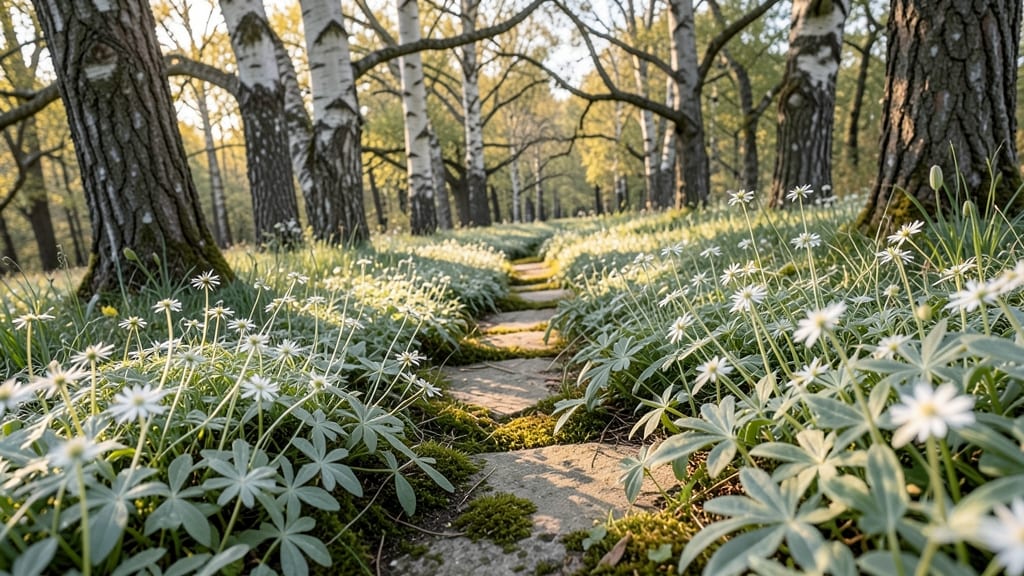
Struggling to keep your shady garden vibrant? These 10 hardy perennial plants thrive in low-light conditions, offering lush foliage, striking flowers, and minimal upkeep—perfect for transforming dull corners into thriving green spaces.
Hostas for Textured Evergreen Foliage
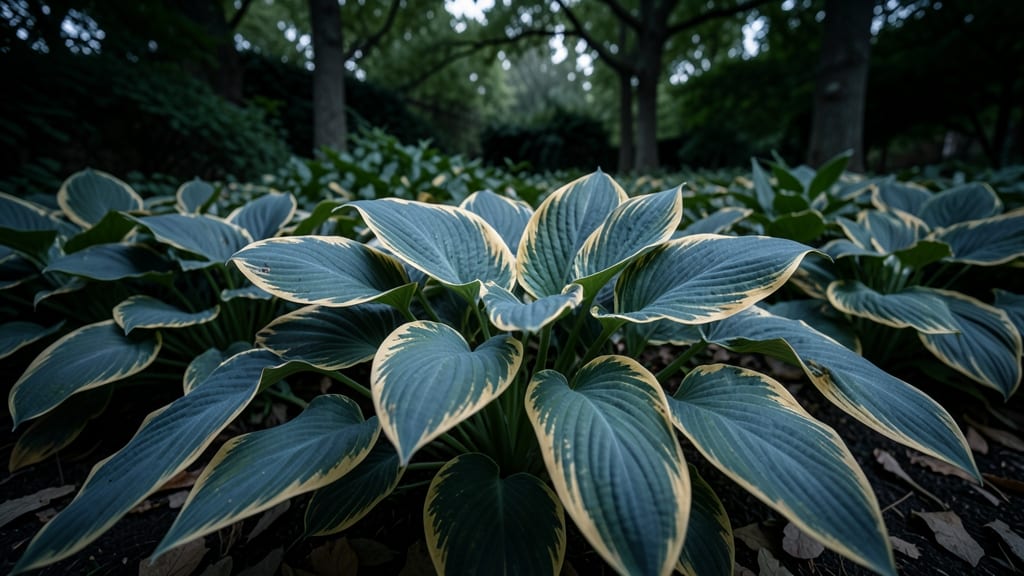
If you’ve ever thought shade gardens were limited to dull green foliage, think again—hostas prove that deep shade can be a canvas for bold, textured beauty. Their variegated leaves in blue, green, and gold stay vibrant year-round, even where sunlight barely reaches.
Hostas thrive in partial to full shade and prefer moist, well-draining soil. Choose varieties like ‘Blue Angel’ for deep blue hues or ‘Francee’ for golden edges. They’re nearly pest-proof and multiply easily, making them perfect for filling shady borders or containers with minimal effort.
For beginners, hostas are the ultimate low-maintenance star—just water occasionally and watch them flourish. Their lush foliage adds instant drama to any dark corner. 🌱
Hellebores with Winter Blooms
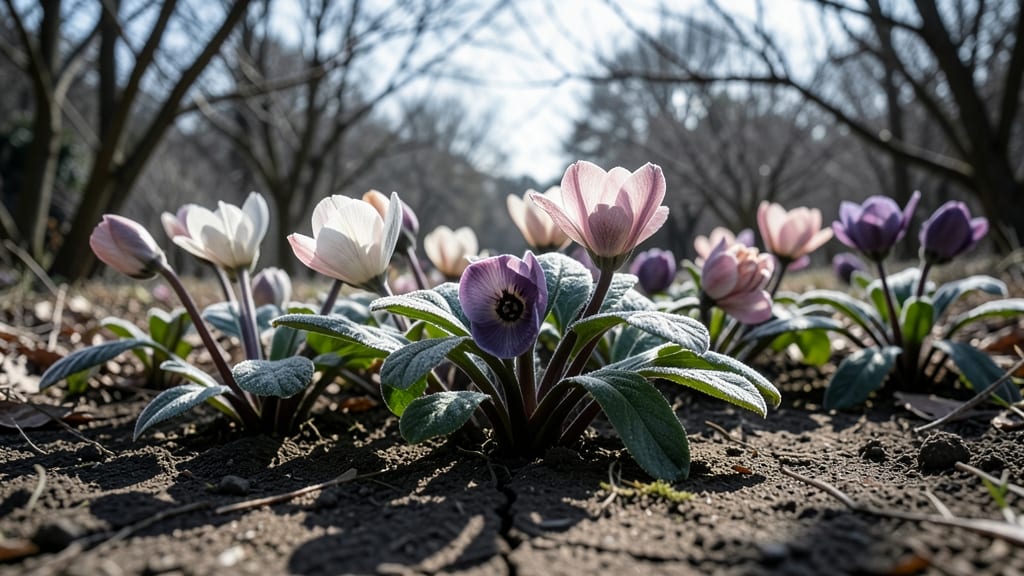
When your garden looks like a blank canvas in late winter, helleborus (commonly called Lenten roses) emerge like a painter’s first brushstroke—delicate blooms in shades of white, pink, and purple that defy the chill. These shade-loving perennials thrive where most plants refuse to grow, blooming from January through March when snow still lingers in many climates.
Hellebores thrive in partial to full shade, tolerating even the darkest corners of your yard. Their nodding flowers attract early pollinators like bees and butterflies, while their evergreen foliage provides year-round structure. Plant them in well-draining, moist soil with a sprinkle of organic matter—once established, they’re nearly maintenance-free and even deer-resistant.
Perfect for woodland gardens, cottage-style beds, or as a dramatic focal point under trees, hellebores reward patience with months of color when most gardens are still dormant. 🌷
Ferns for Lush Green Canopy
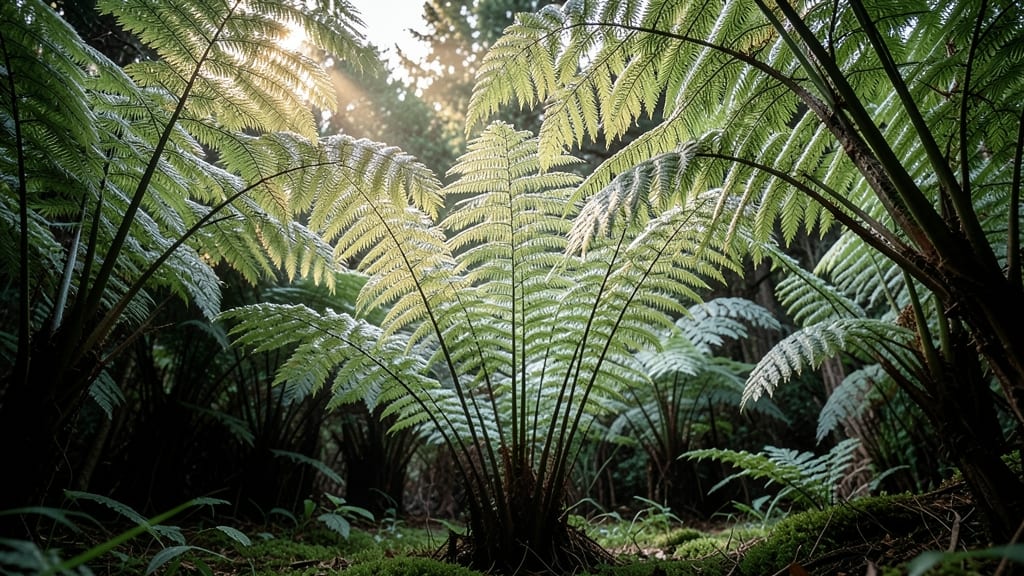
Skip the flowers if you love foliage—ferns deliver drama with their feathery fronds and graceful movement, turning shady spots into lush, textured canopies. Unlike flowering perennials, ferns like maidenhair and ostrich fern focus entirely on creating a soft, green umbrella effect that dances in the breeze.
These shade specialists thrive in moist, well-drained soil—think woodland floors or areas near dripping faucets—and prefer partial to full shade. For best results, mulch around the base to retain humidity and divide clumps every 3-4 years to keep them vigorous. Their delicate fronds also make them ideal for containers or as understory plants in woodland gardens.
Perfect for gardeners who adore movement and texture, ferns are the unsung heroes of low-light spaces—adding depth without demanding attention. 🌿
Astilbes with Plume-Like Flowers
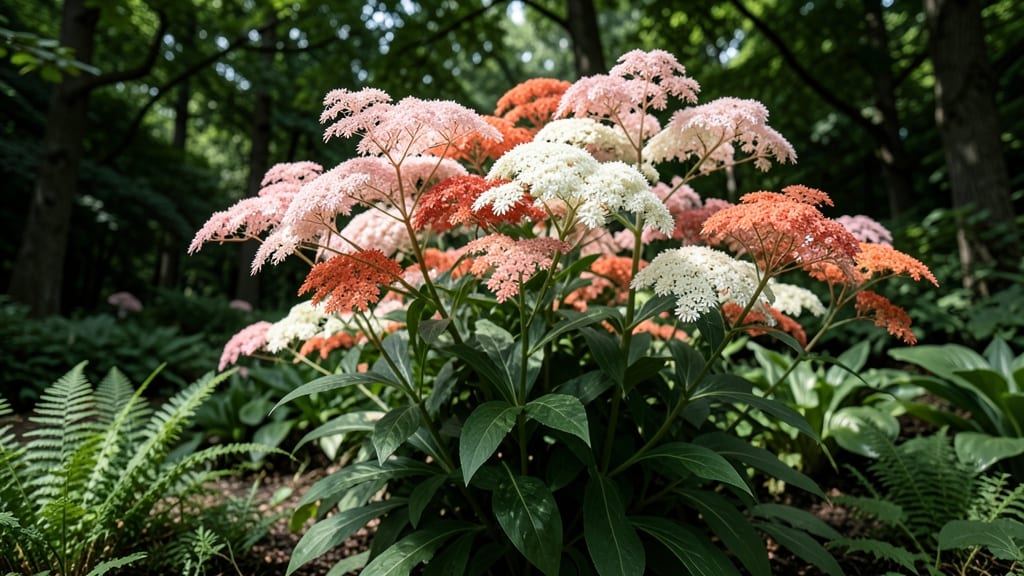
Tired of flat, boring shade gardens? Astilbes inject drama with their feathery plumes in soft pinks, fiery reds, and pure white—like nature’s own confetti for your garden edges.
These shade-loving perennials thrive in partial to full shade, making them ideal for woodland gardens or north-facing borders. Their airy blooms attract butterflies and hummingbirds, while their fern-like foliage adds texture year-round. For best results, plant in moist, well-drained soil and deadhead spent blooms to encourage more flowers. Varieties like 'Fanal' (deep red) or 'Deutschland' (pink) create stunning height contrast.
Urban gardeners and pollinator enthusiasts will love astilbes—they’re low-maintenance yet high-impact, perfect for filling gaps between taller plants. 🌻
Japanese Painted Ferns
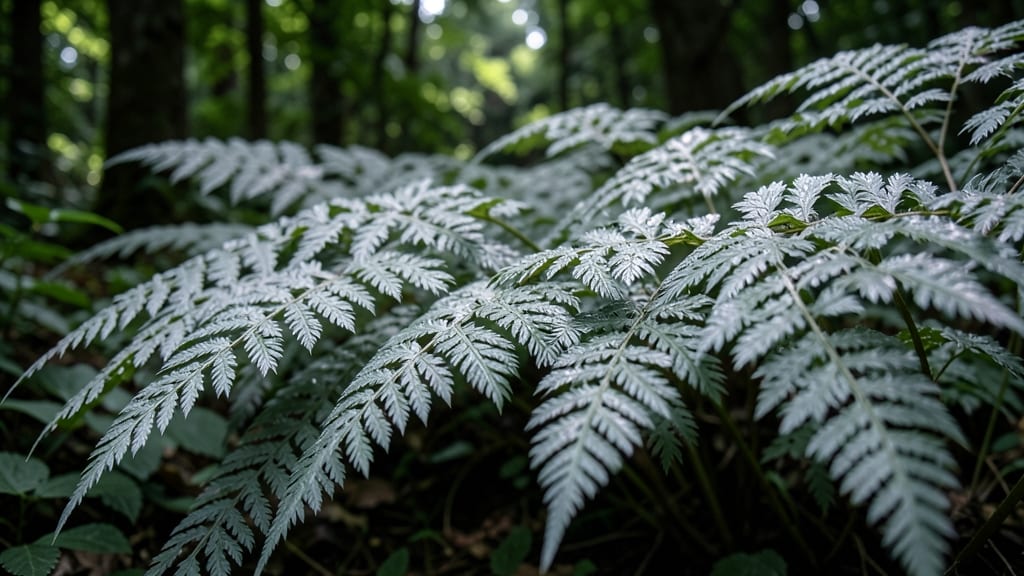
Looking for a shade plant that adds drama without needing sunlight? Japanese painted ferns (Athyrium niponicum var. pictum) are the answer—with their silver-and-green foliage that practically glows in dim light. This fern thrives in partial to full shade, making it perfect for understory plantings, woodland gardens, or even urban balconies with filtered light.
Their frilly, fan-shaped leaves feature striking variegation, with deep green edges fading to silvery-white centers. For best results, plant in moist, well-drained soil enriched with organic matter. A light mulch layer helps retain moisture and keeps roots cool. This fern also handles humidity well, making it ideal for containers or shady borders where other plants might struggle.
Urban gardeners and small-space enthusiasts will love how this fern adds elegance with minimal fuss—no deadheading, no pruning, just lush foliage that stays vibrant year-round. Pair it with hostas or hellebores for a low-light powerhouse combo. ✨
Lungwort for Healing Beauty
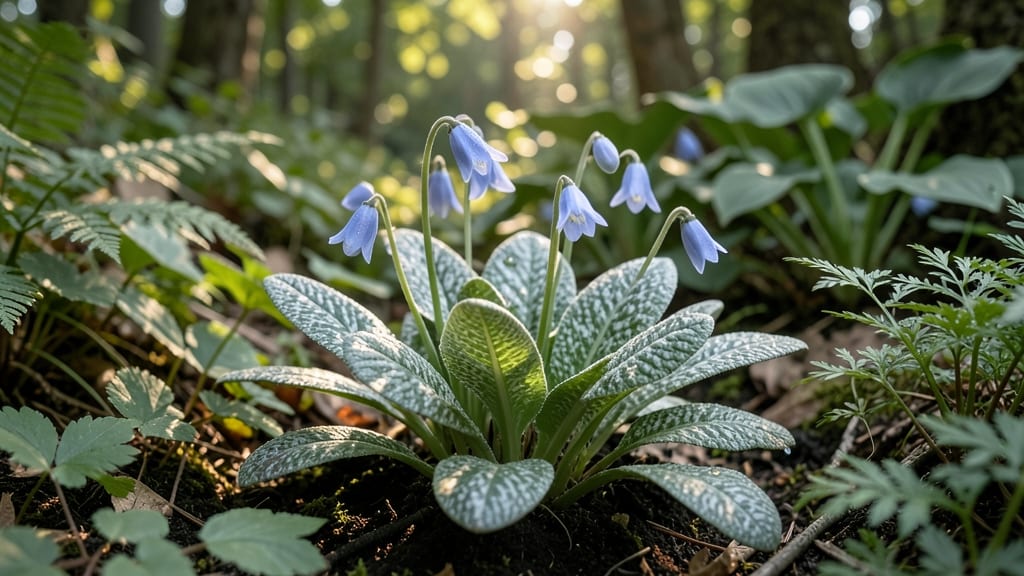
Transform your shady garden into a healing oasis with lungwort (Pulmonaria), a dual-purpose perennial that dazzles with its silver-spotted leaves and delicate blue flowers—while offering medicinal benefits. This hardy plant thrives in partial to full shade, making it ideal for woodland gardens, cottage-style beds, or even as a unique container specimen.
Lungwort’s self-healing properties (historically used for respiratory ailments) pair beautifully with its spring blooms that attract early pollinators. Its low-maintenance nature means you’ll enjoy year-round interest, with foliage that stays attractive even after flowers fade. Plant in moist, well-drained soil and watch it spread gently to create a lush, naturalistic carpet. 🌷
Bleeding Heart Vine
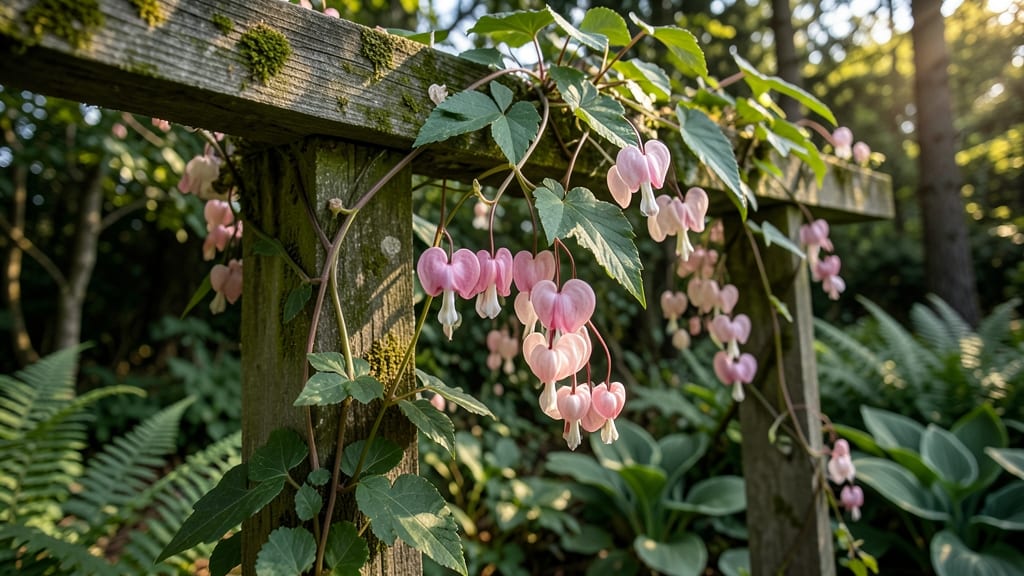
Transform your shady garden into a romantic retreat with bleeding heart vine (Dicentra spectabilis), a perennial climber that drapes elegantly over trellises or spills gracefully along woodland edges. Its heart-shaped pink or white flowers bloom prolifically in spring, creating a cascading waterfall of color that brightens even the darkest corners.
This shade-loving beauty thrives in partial to full shade and moist, well-drained soil, making it ideal for understory plantings or as a focal point near patios. For best results, plant in early spring and provide support—its arching stems can reach 3-4 feet long. Deadhead spent blooms to encourage a second flush of flowers in late summer, though the foliage remains ornamental year-round. 🌷
Perfect for gardeners who love whimsical, cottage-style gardens, bleeding heart vine pairs beautifully with hostas and ferns while requiring minimal maintenance once established. Its delicate charm makes it a standout for adding vertical interest without the fuss of high-maintenance vines. 💚
Coral Bells for Colorful Foliage
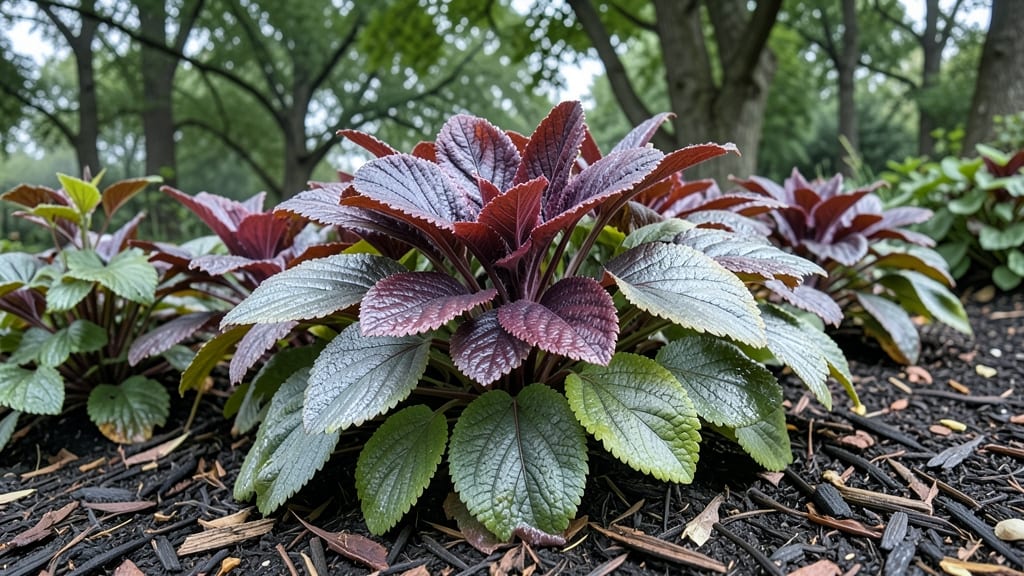
Want to add year-round color to your shady garden without the fuss? Coral bells (Heuchera) are the secret weapon—vibrant foliage in purple, silver, or lime green that thrives where other plants struggle.
These shade-loving perennials handle partial to full shade beautifully, making them perfect for under trees or north-facing beds. Varieties like 'Palace Purple' or 'Lime Rickey' offer bold hues that contrast stunningly with dark soil or mulch. With minimal care—just consistent moisture and well-draining soil—they reward you with season-long interest, even in winter.
City gardeners and container enthusiasts will love coral bells—they’re compact, drought-tolerant once established, and pair effortlessly with ferns or hostas. Just snip back dead leaves in spring to keep them looking fresh. ✨
Solomon's Seal for Elegant Arches
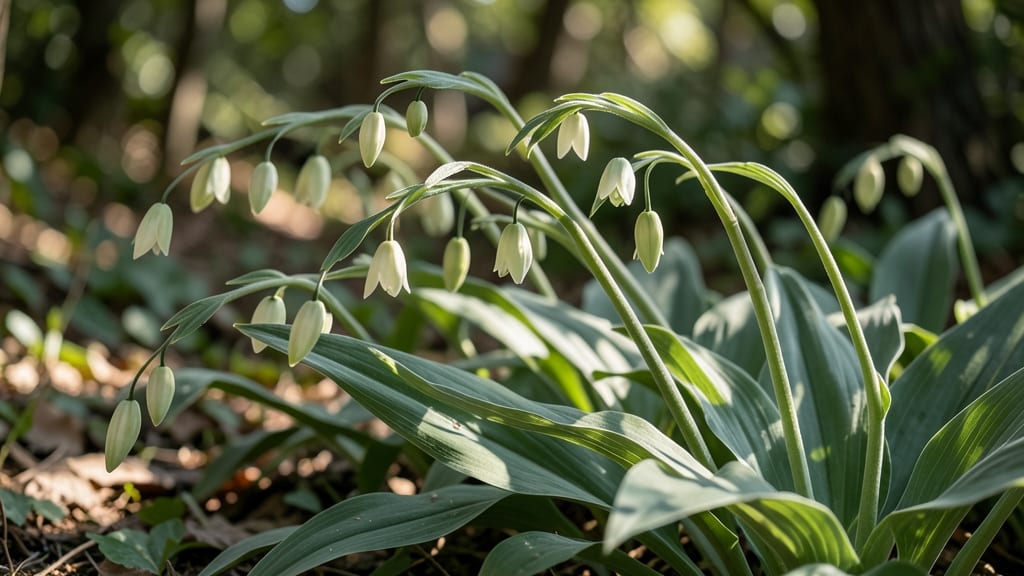
Looking for a shade-loving perennial that adds architectural interest without needing full sun? Solomon's Seal (Polygonatum) delivers with its elegant, arching stems and delicate dangling flowers—like nature’s own curtain of ivy, but with a more refined, layered look.
This hardy plant thrives in partial to full shade, making it perfect for woodland gardens or under trees. Its glossy, lance-shaped leaves create a lush backdrop, while its white, bell-shaped flowers (appearing in spring) dangle gracefully, adding movement to still spaces. Varieties like 'Variegatum' offer cream-edged foliage for extra contrast. Plant in moist, well-drained soil and watch it spread slowly over time, forming a stunning, self-supporting arch.
Ideal for gardeners who love structure and texture, Solomon’s Seal pairs beautifully with hostas and ferns, creating a low-maintenance, evergreen focal point that thrives with minimal fuss. 🌿
Sweet Woodruff for Fragrant Ground Cover

Want a shady garden that smells as good as it looks? Sweet woodruff (Galium odoratum) is your secret weapon—a delicate, fragrant ground cover that spreads gently to create a lush, vanilla-scented carpet under trees or along pathways. Unlike aggressive spreaders, it grows just 4–6 inches tall while forming a dense mat that suppresses weeds naturally.
This shade-loving perennial thrives in partial to full shade, making it perfect for areas where light is scarce. Its subtle vanilla scent intensifies when the leaves are crushed (great for potpourri or dried arrangements), and it blooms in tiny white flowers in late spring. Plant it in moist, well-drained soil with a layer of mulch to retain humidity—it’s drought-tolerant once established but appreciates consistent moisture.
Ideal for beginners or urban gardeners with limited space, sweet woodruff adds a sensory experience to shady spots without demanding attention. Just avoid overwatering to prevent fungal issues. 💚