
Companion Plants
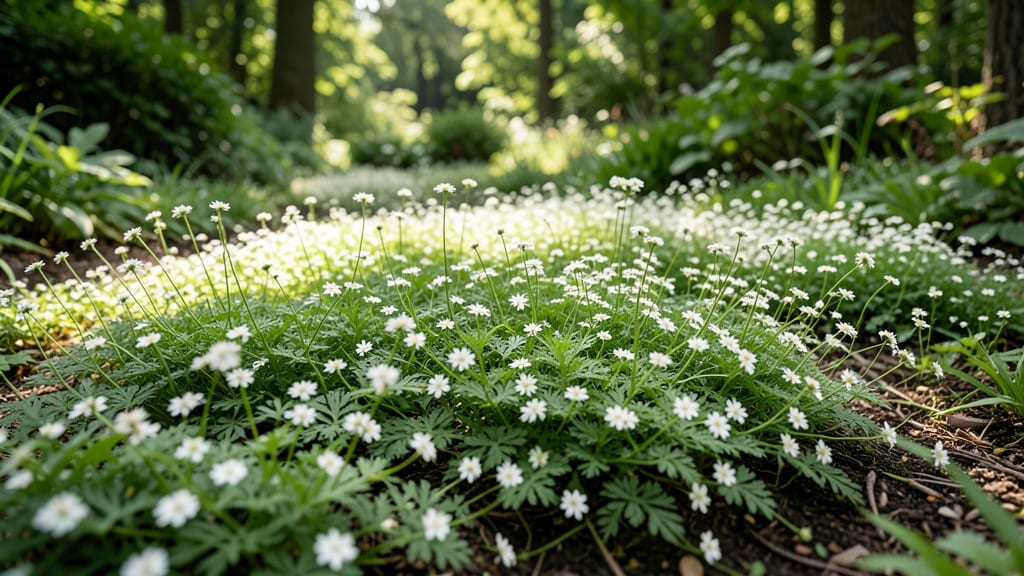
Struggling to keep your shade garden vibrant? These 10 perennial plants deliver stunning foliage, flowers, and textures while thriving in low-light conditions—no direct sunlight required.
Hostas for Lush Green Foliage Variety
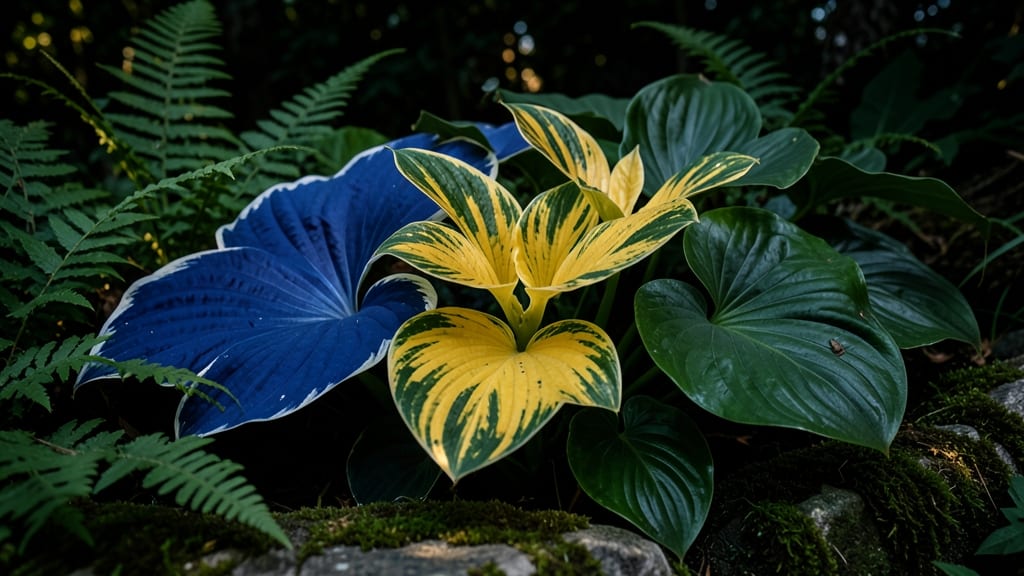
Tired of boring green foliage in your shade garden? Hostas bring a world of texture and color to dark corners, with varieties ranging from deep blue-green to golden-yellow variegation. Their bold, architectural leaves create visual interest even when not in bloom, making them the ultimate low-maintenance statement plants.
Choose from over 3,000 cultivars to match your shade garden's needs—whether you want giant elephant-ear leaves for drama or tiny miniature varieties for edging. Most thrive in deep shade (under 3 hours of sun) and prefer consistently moist, well-draining soil. Divide clumps every 3-4 years to keep them vigorous, and watch slugs become your biggest challenge (use beer traps or diatomaceous earth to deter them).
Perfect for beginners and urban gardeners with little sunlight, hostas create instant impact with minimal effort. Pair them with ferns and hellebores for a lush, layered shade garden that stays stunning year-round. 🌱
Hellebores Blooming in Winter Shadows
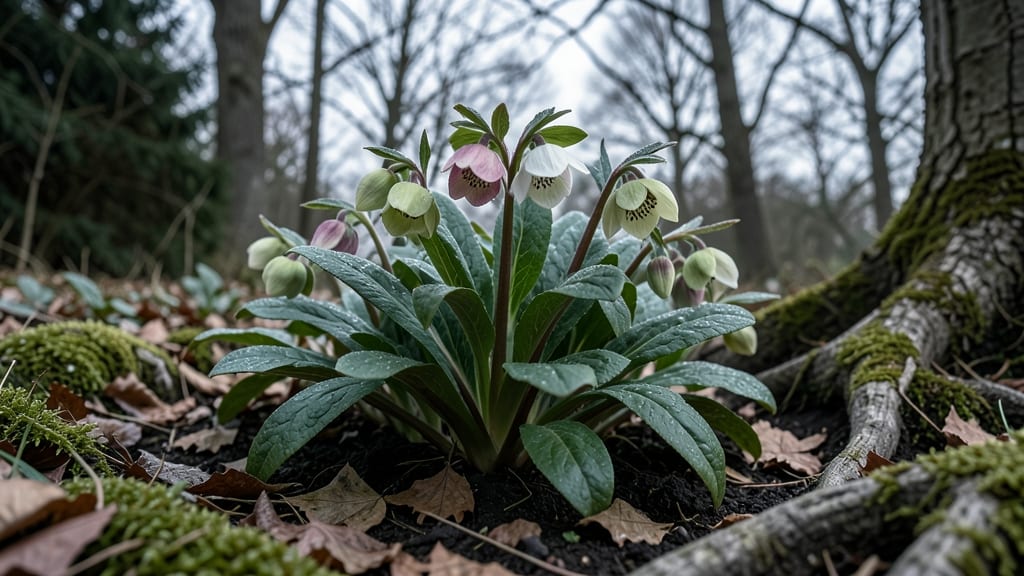
Forget waiting for spring—helleborus (commonly called hellebores) bursts into bloom in late winter or early spring, defying the chill. These deer-resistant perennials thrive in deep shade where other plants struggle, making them perfect for those forgotten corners under trees or along north-facing walls.
With nodding flowers in shades of white, pink, purple, or green, hellebores offer year-round interest: their leathery foliage stays attractive even when not in bloom. Plant them in well-draining, moist but not soggy soil, and they’ll reward you with weeks of color. Varieties like 'Annie's Pride' or 'Winter's Song' are especially hardy choices.
Ideal for gardeners who want low-maintenance beauty without the fuss, hellebores bring life to the darkest spots while attracting early pollinators. 💚
Astilbes for Feathery Plume Flowers
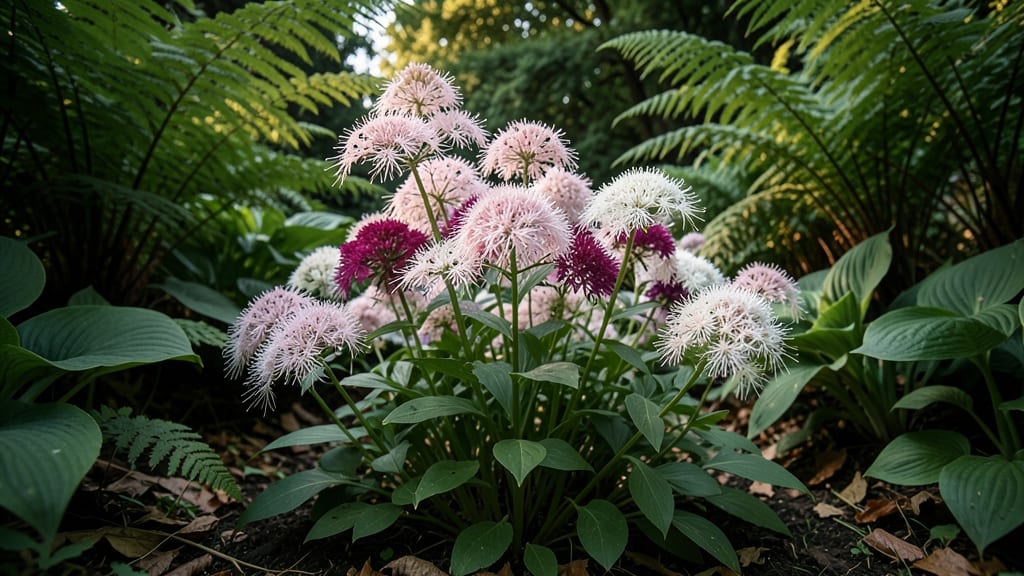
Tired of shade gardens that look dull and lifeless? Astilbes bring movement and color to dark corners with their feathery plumes that seem to sway even without a breeze. These delicate blooms thrive where others struggle, offering vibrant hues from pink to purple and white that light up shady spots from midsummer through fall.
To keep them happy, plant in moist, well-draining soil enriched with organic matter—think woodland edges or near drip irrigation lines. They prefer partial to full shade (2-6 hours of sun) and benefit from regular watering, especially in hot climates. Deadhead spent blooms to encourage more flowers, and divide clumps every 3-4 years to maintain vigor.
Perfect for cottage gardens, containers, or woodland borders, astilbes add textural contrast that pairs beautifully with hostas and ferns. Their airy plumes create a dreamy, ethereal look that’s impossible to ignore. 🌻
Ferns for Natural Woodland Texture
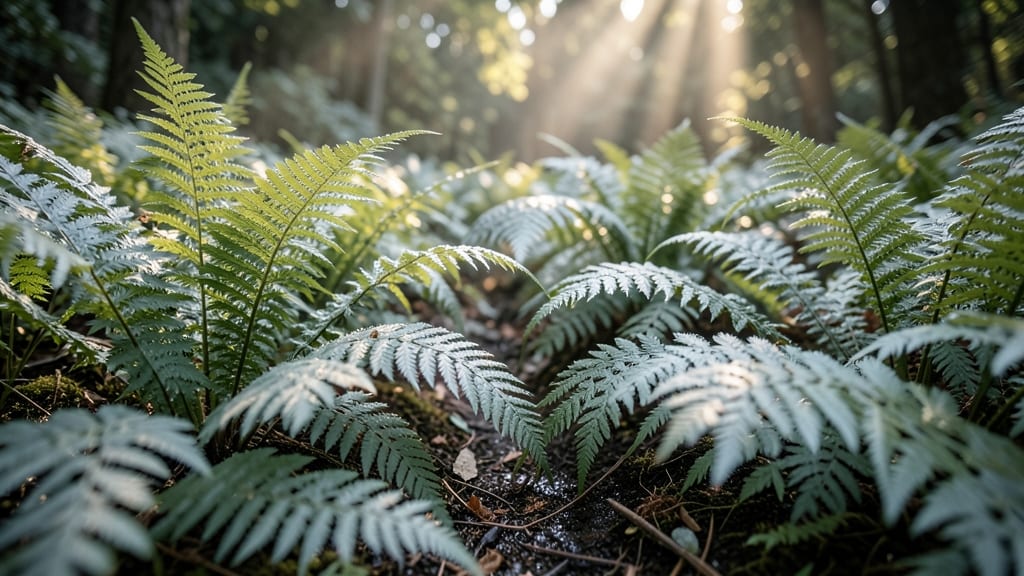
Transform your shady spots into a woodland retreat with ferns—nature’s most elegant shade garden staples. Their delicate, feathery fronds create a soft, layered tapestry that mimics the understory of a forest, instantly adding depth and tranquility to your garden.
Ferns thrive in moist, well-draining soil and dappled or full shade, making them perfect for areas where sunlight is scarce. Varieties like matted asparagus fern and Japanese painted fern offer striking textures, while maidenhair ferns add a fine, lacy contrast. Beyond their beauty, ferns serve as pollinator magnets, attracting beneficial insects like ladybugs and lacewings that help control pests naturally.
Ideal for beginners and experienced gardeners alike, ferns require minimal care—just consistent moisture and occasional division to keep them vigorous. Plant them in clusters for a dramatic, cascading effect along borders or under trees. 🌿
Bleeding Heart for Heart-Shaped Blooms
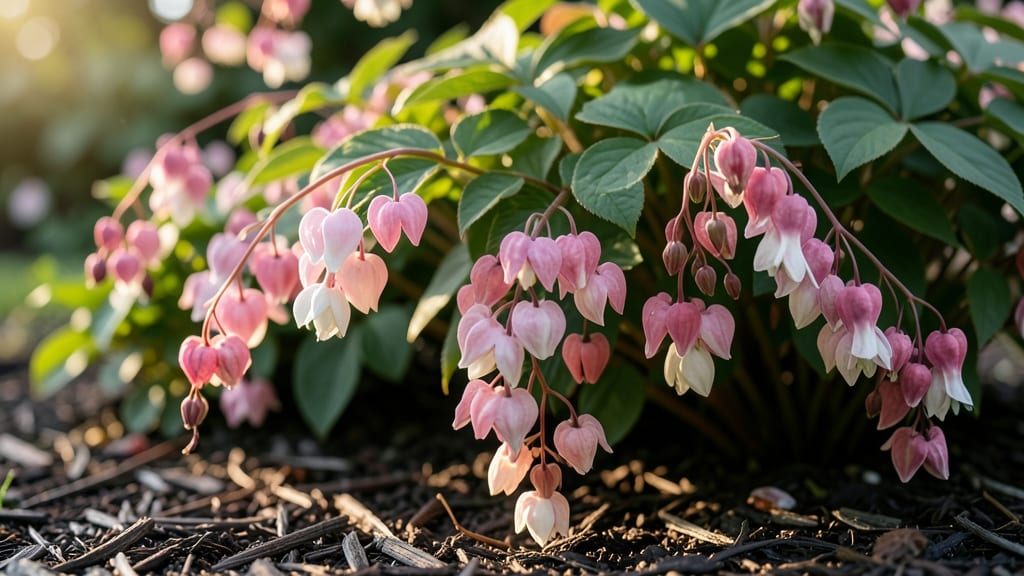
Looking for a dramatic, romantic touch in your shade garden? Bleeding heart (Dicentra spectabilis) delivers cascading clusters of heart-shaped blooms that turn heads in partial shade—no harsh sun required.
This spring-to-early-summer bloomer thrives in partial shade (3-6 hours of sunlight daily) and produces delicate pink, white, or red flowers on arching stems that reach 2-3 feet tall. Plant it near borders or along pathways to create a soft, flowing curtain effect that contrasts beautifully with deep green foliage. Well-draining, moist soil keeps it happy, and it pairs perfectly with hostas or ferns for a classic cottage garden vibe.
Perfect for gardeners who love whimsical charm without high-maintenance demands, bleeding heart brings vertical interest to shady spots where other plants might struggle. 🌷
Coral Bells for Long-Blooming Season
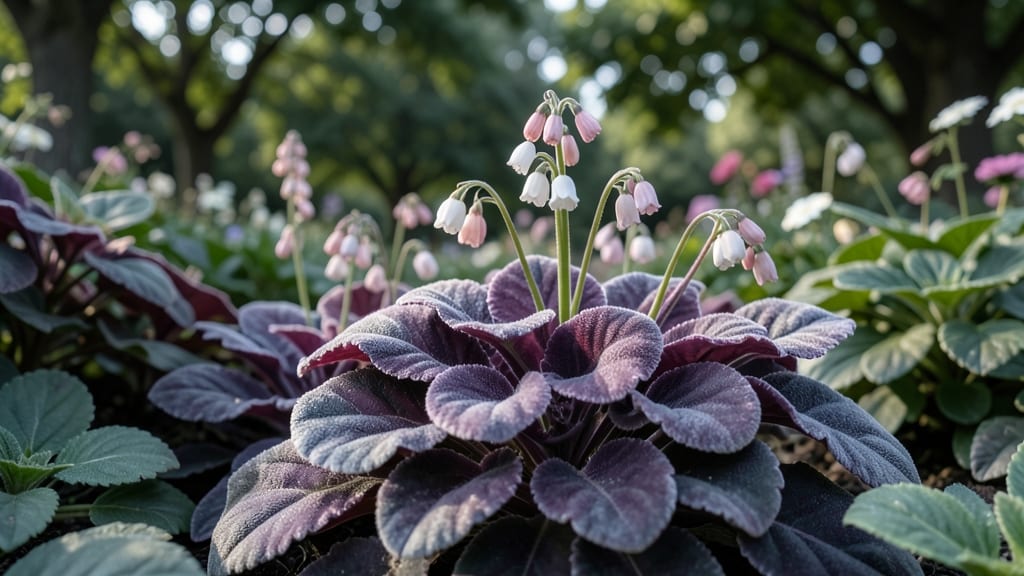
Tired of shade gardens that look dull after a single season? Coral bells (Heuchera) deliver year-round visual interest with their velvety foliage and clusters of bell-shaped flowers that bloom from spring through fall.
This versatile perennial offers striking foliage in shades of purple, silver, or burgundy that contrasts beautifully with delicate flowers in pink, white, or red. Plant in partial to full shade with well-draining soil, and enjoy their low-maintenance nature—they thrive with minimal care once established. The compact size (12-18 inches tall) makes them perfect for borders, containers, or layered shade beds.
Gardeners who love colorful foliage without the upkeep of sun-loving plants will adore coral bells—they’re the secret weapon for adding season-long drama to shady spots. 💚
Japanese Painted Fern for Unique Patterns
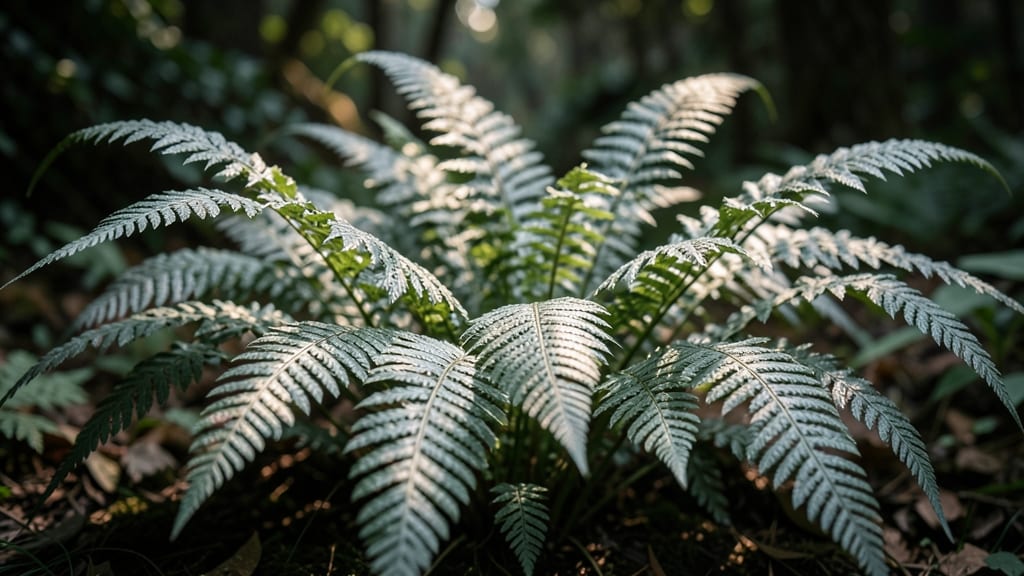
Want to add architectural drama to your shade garden without the fuss? The Japanese painted fern (Athyrium niponicum var. pictum) delivers striking silver-and-green patterns that catch the light like a living watercolor—no flowers required. Its delicate, lace-like fronds create movement and texture, making it a standout even among other shade-loving plants.
This fern thrives in partial to full shade (2-6 hours of sun) and prefers moist, well-draining soil, making it perfect for woodland gardens or under trees. Unlike some ferns that fade in summer, the Japanese painted fern keeps its bold patterns year-round, with fronds turning a rich bronze in fall. For best results, plant in clusters of 3-5 for a dramatic, layered effect, and pair it with hostas or hellebores for a cohesive look.
Ideal for gardeners who love low-maintenance yet high-impact plants, this fern adds sophistication to shady spots while requiring only occasional division to keep it vigorous. 🌿
Lungwort for Healing and Colorful Spots
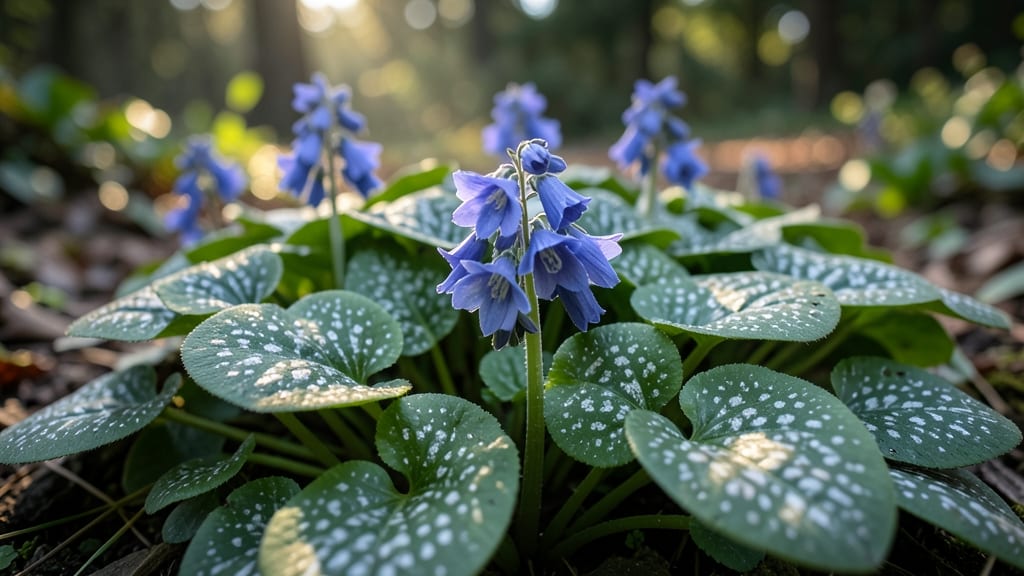
Discover the hidden gem of shade gardens: lungwort (Pulmonaria), where medicinal history and striking foliage collide. This underrated perennial boasts heart-shaped leaves adorned with silver spots that fade as the season progresses, creating a dynamic visual display. Its delicate blue flowers appear in early spring, offering a rare splash of color when most shade plants are still dormant.
Thriving in moist, well-drained soil under dappled or full shade, lungwort is perfect for woodland gardens, stream banks, or areas under trees. The plant’s common name comes from its historical use in treating lung ailments, though it’s grown today purely for its ornamental value and resilience. Varieties like 'Sissinghurst White' or 'Blue Ensign' add height (12-18 inches) and texture to shady borders, while their self-seeding habit ensures long-term presence.
Ideal for gardeners seeking low-maintenance yet intriguing shade perennials, lungwort pairs beautifully with ferns and hellebores. Its dual-season interest—foliage in spring and flowers in early summer—makes it a standout for cottage-style gardens or naturalistic plantings. 🌿
Solomon's Seal for Graceful Arching Stems
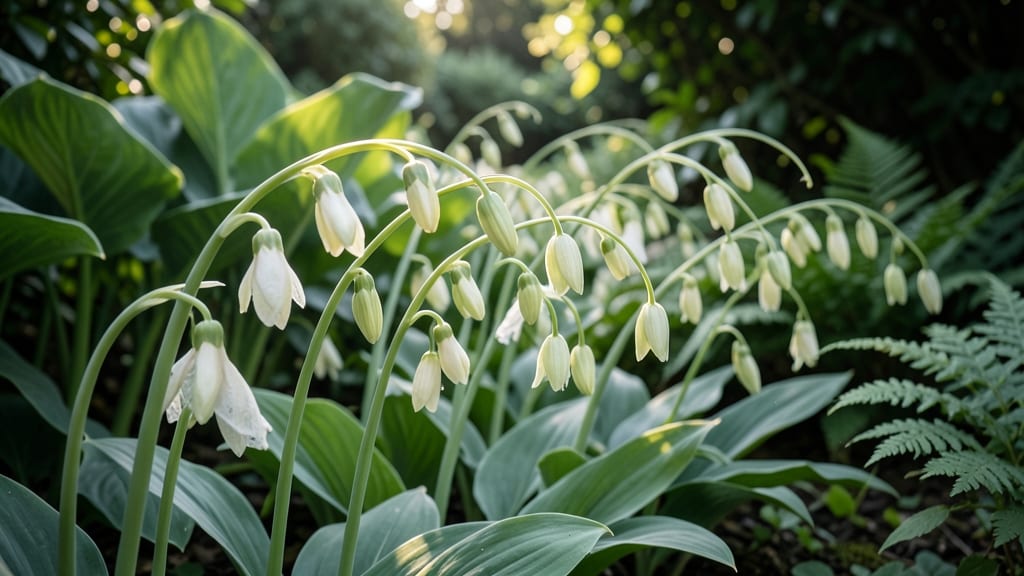
Want to add movement and elegance to your shade garden without harsh sunlight? Solomon's Seal (Polygonatum) delivers graceful, arching stems that create a natural, flowing rhythm—perfect for softening dark corners or framing pathways. Unlike rigid plants, its dangling white or pale green flowers sway gently in the breeze, adding dynamic interest where others stand still.
This low-maintenance perennial thrives in partial to full shade and tolerates a range of soils, though it prefers well-draining, moist conditions. Plant it in clusters for a cascading effect, and pair it with hostas or ferns to create layered depth. Varieties like 'Variegatum' offer creamy-white striped foliage for extra contrast, while 'Pseudoserratum' produces clusters of dangling flowers along its arching stems.
Ideal for gardeners who love textural contrast without high-maintenance demands, Solomon's Seal brings a woodland charm to shady spots while attracting pollinators. It’s the secret to a garden that feels alive and inviting. 🌿
Sweet Woodruff for Fragrant Ground Cover

Want to add a fragrant touch to your shade garden without the fuss of high-maintenance plants? Sweet woodruff (Galium odoratum) is your secret weapon—a delicate ground cover that spreads gently while filling your garden with a vanilla-like scent when brushed against. Its tiny white flowers in spring and heart-shaped foliage create a soft, lush carpet that thrives where others falter.
This drought-tolerant perennial loves dry to medium shade and spreads slowly to form a living mulch, suppressing weeds while keeping soil cool. Plant it in clusters under trees or along borders, where it pairs beautifully with hostas and ferns. Though it prefers shade, it tolerates brief morning sun, making it versatile for tricky spots.
Perfect for gardeners who love low-effort beauty, sweet woodruff is also a favorite for pollinators like bees and butterflies. Just be mindful—it can spread aggressively in ideal conditions, so contain it with edging if needed. 🌿