
Flowers
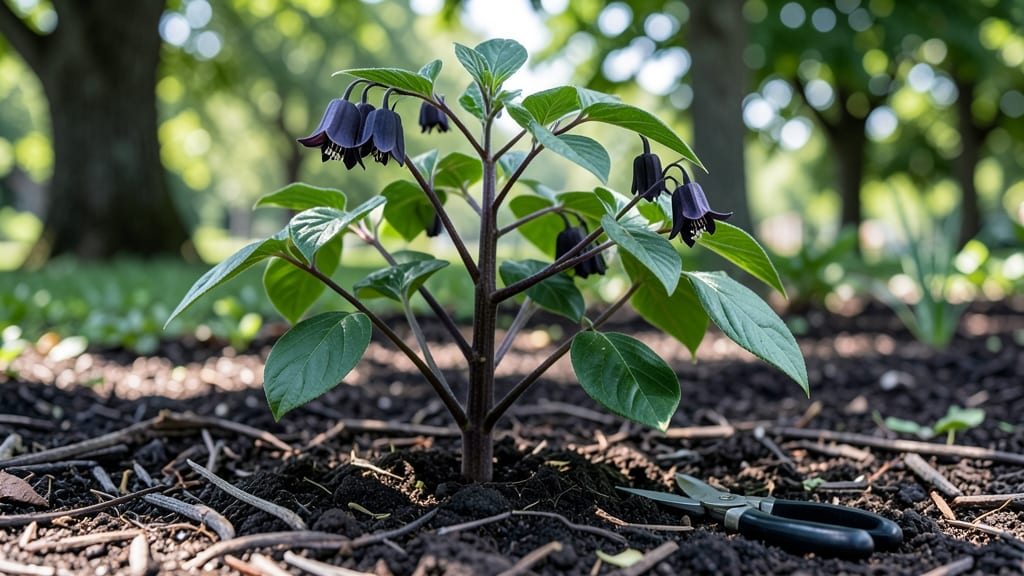
Poisonous nightshade flowers, including deadly nightshade (Atropa belladonna) and jimsonweed (Datura stramonium), contain dangerous alkaloids like atropine and scopolamine that can cause severe illness or death if touched or consumed. Always use protective gloves and keep them out of reach of children and pets.
These toxic compounds disrupt your nervous system, leading to symptoms like dilated pupils, confusion, and even respiratory failure in extreme cases. 🌿 While some gardeners admire their striking beauty, their risks far outweigh any decorative value.
Even brief skin contact can cause irritation, so proper precautions are essential when handling these plants.
If you love the dramatic look of nightshades but want a safer option, consider ornamental peppers or petunias—they offer bold colors and textures without the deadly risks. These alternatives thrive in similar conditions but bring only beauty to your garden space.
💡 In This Article
- Toxic Alkaloids in Nightshade Flowers: How They Affect Humans and Pets
- Non-Toxic Nightshade Alternatives for Safe and Beautiful Gardens
Toxic alkaloids in nightshade flowers: how they affect humans and pets
Nightshade flowers produce alkaloids like atropine, scopolamine, and hyoscyamine, which are naturally occurring neurotoxins that disrupt your nervous system. Atropine, for example, blocks acetylcholine receptors in your brain and muscles, causing symptoms like rapid heartbeat, blurred vision, and confusion.
A single ripe berry from deadly nightshade (Atropa belladonna) contains enough atropine to be lethal to a child—approximately 0.1 milligrams per kilogram of body weight can be fatal. 🔥
Jimsonweed (Datura stramonium) contains even higher concentrations of scopolamine, which induces hallucinations and delirium at doses as low as 2 milligrams. These alkaloids aren't just dangerous when ingested—they can also be absorbed through skin contact or inhaled as fine pollen.
Even touching the leaves without gloves may cause irritation or systemic poisoning over time, especially in pets like dogs, which are far more sensitive to these toxins than humans.
The severity of symptoms depends on exposure route and duration. Inhaling crushed leaves or pollen can trigger respiratory distress within 30-60 minutes, while ingestion leads to a gradual onset of symptoms over 2-12 hours.
Medical emergencies often require immediate gastric lavage or activated charcoal to prevent absorption, but treatment focuses on supportive care since there's no specific antidote for these alkaloids. 💛
Comparing toxicity levels, deadly nightshade's berries are the most lethal part of the plant, containing 0.3-0.5% atropine by weight, while jimsonweed's seeds pack 0.1-0.2% scopolamine.
Both plants share similar mechanisms but differ in potency—deadly nightshade affects the cardiovascular system more aggressively, while jimsonweed primarily targets the central nervous system. This explains why jimsonweed poisoning often includes vivid hallucinations, whereas deadly nightshade causes more pronounced physical symptoms like paralysis.
Pets, especially cats and dogs, are particularly vulnerable due to their smaller size and lower body fat percentage. A single leaf from jimsonweed could be lethal to a small dog, while cats may experience seizures or coma after minimal exposure.
The alkaloids cross the blood-brain barrier rapidly, making neurological symptoms appear almost instantly in vulnerable animals. ✨
Even dried or dead plants retain toxicity for years, so composting or burning nightshade plants requires extreme caution. The alkaloids remain stable unless subjected to temperatures above 200°C (392°F), which is why proper disposal through hazardous waste programs is critical.
Always assume these plants are dangerous until proven otherwise through professional testing.
What most gardeners don't realize is that these toxins can also contaminate soil and water. Rainwater leaching through soil containing nightshade plants may carry trace amounts of alkaloids into groundwater, posing indirect risks to ecosystems.
This is why responsible gardeners replace nightshades with non-toxic alternatives like petunias or snapdragons, which offer similar visual appeal without ecological hazards. 💫