
Diseases
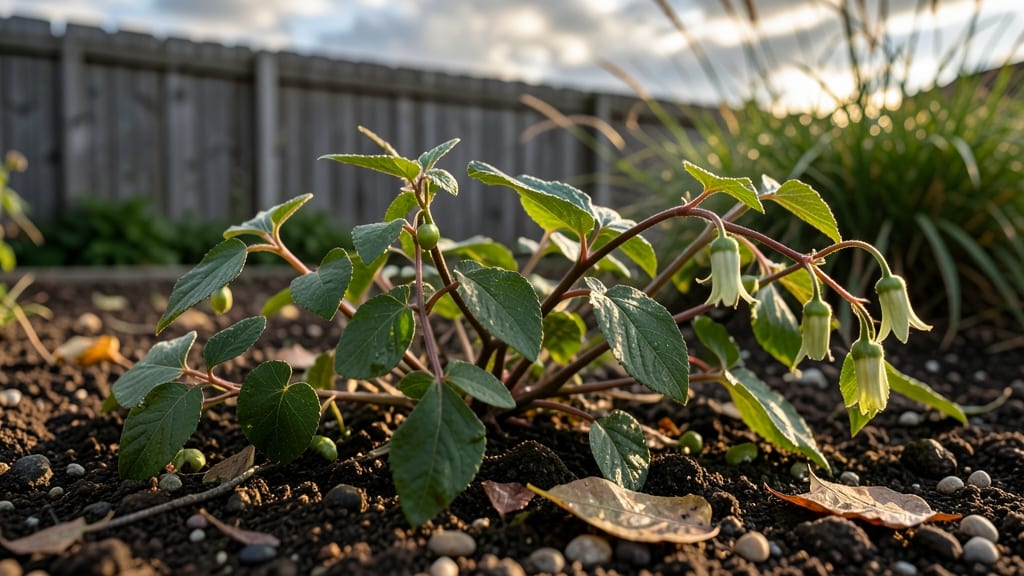
One wrong bite could turn your backyard into a danger zone. 🌿 Black nightshade and deadly nightshade look eerily similar, but only one belongs in your kitchen—if you know exactly how to cook it.
The difference between safe harvests and emergency room visits comes down to three key details: leaf shape, berry color, and stem texture.
Black nightshade (Solanum nigrum) has smooth, oval leaves with pointed tips and tiny, matte black berries that ripen from green to shiny black. Young leaves are edible when cooked properly (think spinach, but milder), and they’ve been used in traditional medicine for centuries.
Deadly nightshade (Atropa belladonna), on the other hand, sports glossy, bell-shaped leaves, purple-black berries, and a stem that oozes milky sap when broken—an instant red flag.
Misidentifying these plants happens more often than you’d think, especially when berries are still green. One bite of deadly nightshade can cause hallucinations, seizures, or even death, while black nightshade’s toxicity is minimal when prepared correctly.
Always double-check with a field guide or local expert before harvesting anything that resembles nightshade.
If you’re growing edible nightshades like tomatoes or peppers, keep a watchful eye for these lookalikes creeping into your beds. When in doubt, err on the side of caution—toss the plant in sealed trash (not compost) and wash your hands thoroughly.
Safety isn’t just about what you eat; it’s about what you don’t eat.
The first product explained
Meet Solanum nigrum—the black nightshade, a plant that’s often mistaken for its deadly cousin but is actually safe (and even edible!) when prepared correctly. 🌱🍃 While it may look similar to Atropa belladonna (deadly nightshade), black nightshade is a common weed found in gardens, fields, and even urban areas. Let’s break down what makes this plant unique, who can benefit from it, and why it’s worth knowing.
📏 Specs & Key Features
- Appearance: Small, oval leaves with a slightly hairy texture; purple-black berries (when ripe) that turn glossy.
- Height: Typically 1–2 feet tall, though some varieties can reach up to 3 feet.
- Growth Habit: Fast-growing annual or perennial, thriving in disturbed soils and full sun to partial shade.
- Edible Parts: Young leaves and green berries (cooked only!) are nutritious, while ripe black berries are safe raw in moderation.
- Toxicity Note: Unripe berries and large quantities can cause mild stomach upset—so always cook thoroughly!
🎯 Target Users
Black nightshade is a hidden gem for:
- Foragers & Survivalists: A free, nutrient-rich food source in the wild (when identified correctly!).
- Gardeners: Some cultivate it as a dynamic accumulator to improve soil health or deter pests.
- Herbalists & Cooks: Traditional medicine uses it for anti-inflammatory properties, and its leaves add a spinach-like flavor to dishes.
- Educators & Nature Enthusiasts: Perfect for teaching plant ID—especially for distinguishing it from deadly nightshade!
💰 Price Point & Availability
Black nightshade is completely free if you forage it responsibly! However, if you’re looking to purchase seeds or young plants for gardening:
- Seeds: $2–$5 per packet (online seed banks or specialty nurseries).
- Live Plants: Rarely sold in mainstream nurseries, but some herbal or organic seed suppliers offer it.
Pro Tip: 💡 Always double-check identification with a field guide or expert before consuming any wild plant—especially if you’re new to foraging!
The second product explained
Meet the deadly counterpart: Deadly Nightshade (Atropa belladonna)—the infamous plant that’s been the star of poisonings, folklore, and even historical assassinations. 🌙⚠️ Unlike its edible cousin, this one’s a no-go for your garden (or dinner plate). Let’s break down what makes it so dangerous and how to spot it before it’s too late.
🌱 Key Specs & Features
Deadly Nightshade is a perennial herb that thrives in shady, moist environments—think woodlands, hedgerows, or even your neighbor’s neglected garden. Here’s what to watch for:
- Height: 2–5 feet tall (taller than Black Nightshade).
- Leaves: Large, oval, and glossy dark green (slightly fuzzy underneath).
- Flowers: Bell-shaped, purple to violet (rarely white), blooming in late spring/summer.
- Berries: Shiny black (like tiny grapes), maturing in late summer/fall. These are the most toxic part!
- Smell: Faint, sweet scent (unlike Black Nightshade’s bitter aroma).
🎯 Target Users (Who Should Be Wary)
Deadly Nightshade isn’t just a botanical curiosity—it’s a serious threat to:
- 👨🌾 Foragers: Mistaking its berries for edible fruits (like cherries or elderberries).
- 🐕 Pet owners: Dogs and cats are especially vulnerable to poisoning if they nibble on leaves or berries.
- 🌿 Gardeners: Accidentally planting it near edible crops (it self-seeds aggressively!).
- 👩⚕️ Emergency responders: Recognizing symptoms of poisoning (dilated pupils, hallucinations, seizures) in humans or animals.
💰 Price Point (Literally Priceless—But Here’s the Catch)
Deadly Nightshade isn’t sold in grocery stores or herb shops—it’s illegal to cultivate or distribute in many places due to its toxicity. However, its medicinal derivatives (like atropine) are used in:
- 💊 Pharmaceuticals (e.g., eye dilators, anti-spasmodics).
- 🧪 Research labs (studying its alkaloids).
Cost of raw plant: Zero (it grows wild) but not worth the risk! If you suspect exposure, seek immediate medical help—this plant has a 1–2% fatality rate in severe cases.
⚠️ Pro Tip: How to Stay Safe
💡 Never eat any nightshade berry unless 100% identified by an expert.
🔥 Teach kids and pets: “If it’s black, shiny, and grows on a strange plant, don’t touch it!”
🌡️ Symptoms of poisoning: Dry mouth, blurred vision, rapid heartbeat, confusion, or paralysis. Act fast—call poison control or 911.
Head-to-head comparison
Now that we’ve explored the basics of black nightshade and deadly nightshade, let’s dive into a detailed side-by-side comparison to help you spot the differences at a glance. These two plants might look eerily similar, but their characteristics—and consequences—are worlds apart.
Below, we break down key dimensions to help you stay safe in the wild (or your garden!).
🌿 Appearance: The Visual Showdown
At first glance, these plants can be confusing, but a closer look reveals critical differences:
- Leaves:
- Black Nightshade (Solanum nigrum): Leaves are oval or egg-shaped, with a slightly rough texture and prominent veins. They’re usually darker green on top and lighter underneath.
- Deadly Nightshade (Atropa belladonna): Leaves are shiny, smooth, and elliptical, with a waxy sheen. They’re deep green and glossy on both sides, almost like polished jade.
- Stems:
- Black Nightshade: Stems are hairy or slightly fuzzy, often green or reddish when young, and become woody as they mature.
- Deadly Nightshade: Stems are smooth, green, and slightly ribbed, with a sticky or waxy feel when touched.
- Flowers:
- Black Nightshade: Small, greenish-white or yellowish flowers that grow in clusters. They’re not fragrant and are often overlooked.
- Deadly Nightshade: Bell-shaped, purple flowers (hence the name “belladonna”) that are highly noticeable and grow singly or in small groups.
- Fruits:
- Black Nightshade: Small, round berries that start green and turn black or dark purple when ripe. They’re not shiny and feel slightly dry to the touch.
- Deadly Nightshade: Shiny, black berries that resemble tiny cherries. They’re glossy and firm, almost like polished beads.
💡 Pro Tip: If you’re unsure, crush a leaf—black nightshade leaves have a mild, slightly bitter smell, while deadly nightshade leaves emit a sweet, musky odor (a dead giveaway!).
🌱 Growth Habit and Habitat
Where and how these plants grow can also give you clues:
| Factor | Black Nightshade | Deadly Nightshade |
|---|---|---|
| Height | 1–3 feet tall (often sprawling or bushy). | 2–5 feet tall (upright and more structured). |
| Habitat | Common in gardens, fields, and disturbed soils. Thrives in warm climates and is often considered a weed. | Prefers shady, wooded areas or hedgerows. Found in temperate regions (Europe, North America, and parts of Asia). |
| Spread | Spreads aggressively via seeds and can form dense patches. | Grows more slowly and is not as invasive, but its berries are highly toxic. |
⚠️ Warning: Deadly nightshade often grows near forest edges or old homesteads, where children or pets might accidentally ingest its berries. If you’re hiking or foraging, stay alert!
🍽️ Toxicity and Health Risks
This is where the rubber meets the road—literally. One is edible (with caution), while the other is deadly. Here’s how they stack up:
| Factor | Black Nightshade | Deadly Nightshade |
|---|---|---|
| Toxicity Level | Mildly toxic if consumed in large quantities (contains solanine, a bitter compound). | Extremely toxic—even small amounts can be fatal. Contains atropine, scopolamine, and hyoscyamine, which paralyze the nervous system. |
| Symptoms of Poisoning |
|
|
| Edible Uses (With Caution!) |
|
|
🚨 Emergency Tip: If you suspect ingestion of deadly nightshade, seek medical help immediately. Symptoms can escalate rapidly, and treatment may involve activated charcoal or anticholinergics.
💰 Ecological and Economic Impact
Beyond human health, these plants also play different roles in ecosystems and agriculture:
- Black Nightshade:
- Black nightshade (Solanum nigrum) is the good guy—if you know how to handle it! 🌿 Its edible leaves (when properly prepared) are packed with nutrients, and its berries can be cooked into jams or teas. But caution: Only consume parts from 100% confirmed non-toxic sources (e.g., organic farms or trusted foragers). Never eat raw!
- Deadly nightshade (Atropa belladonna) is the bad guy—period. 🚫 Unless you’re a trained herbalist with deep knowledge of its medicinal uses (e.g., diluting its extract for specific remedies), do not touch it. Even a small amount can be lethal. If you’re unsure, assume it’s deadly and avoid it entirely.
- Deadly nightshade is a non-negotiable threat. 🐶👶 Its berries are irresistible to children and animals, and ingestion can be fatal. If you suspect exposure, seek emergency medical help immediately.
- Black nightshade is still risky—teach kids and pets to avoid all wild nightshade plants unless supervised by an expert. When in doubt, throw it out!
Which one should you choose?
So, which one should you be wary of—and which might actually be safe (or even useful) in the right hands? 🌱🔍 The verdict depends entirely on your goals, environment, and level of expertise. Here’s a clear breakdown to help you make the right call:
🚨 If You’re a Gardener or Forager:
🏡 If You Have Kids or Pets:
💊 If You’re Interested in Medicinal Uses:
Deadly nightshade has very specific (and dangerous) medicinal applications, like diluting its alkaloids for extremely controlled uses in traditional medicine. This is NOT a DIY project. 🚨 If you’re exploring herbalism, consult a licensed practitioner before experimenting.
Black nightshade, on the other hand, has mild traditional uses (e.g., anti-inflammatory teas), but again—only if properly identified and prepared. Never self-medicate with wild plants!
🌍 If You’re Just Enjoying Nature:
When hiking or exploring, err on the side of caution. 🌲 Both plants can be deadly if misidentified. Use a field guide or app (like iNaturalist) to double-check before touching anything. And remember: When in doubt, don’t eat it!
Scenario Black Nightshade Deadly Nightshade Edible? ✅ Yes (cooked, confirmed safe) ❌ No—deadly Medicinal Use? ⚠️ Limited, traditional (consult expert) ⚠️ Only under professional guidance Safety Around Kids/Pets? ⚠️ Avoid unless supervised 🚨 Extreme danger—remove immediately Foraging Risk? ⚠️ High if misidentified 💀 Fatal if ingested Final Pro Tip: 💡 If you’re truly curious about black nightshade’s culinary or medicinal potential, start with store-bought or cultivated varieties (like eggplant relatives) before venturing into the wild. And when in doubt? Leave it alone. Nature’s pharmacopeia is fascinating—but some remedies are one-way tickets.