
Plants
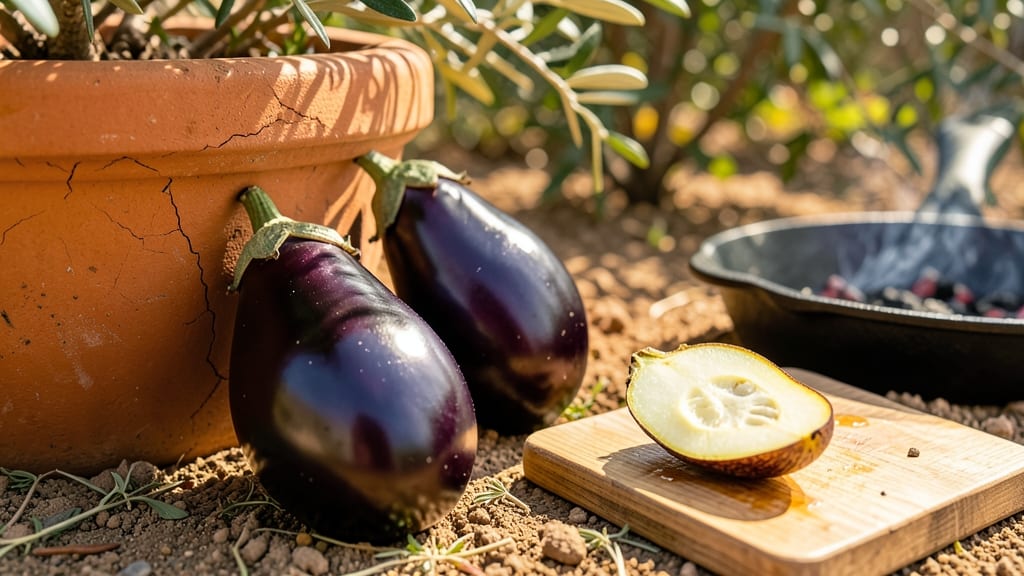
Nightshade plants include some of the world’s most vital crops, stunning ornamentals, and dangerous toxins. This list breaks down 10 essential varieties—from kitchen staples to garden showstoppers—so you can identify, grow, and use them safely.
Tomatoes: The Most Cultivated Edible Nightshade
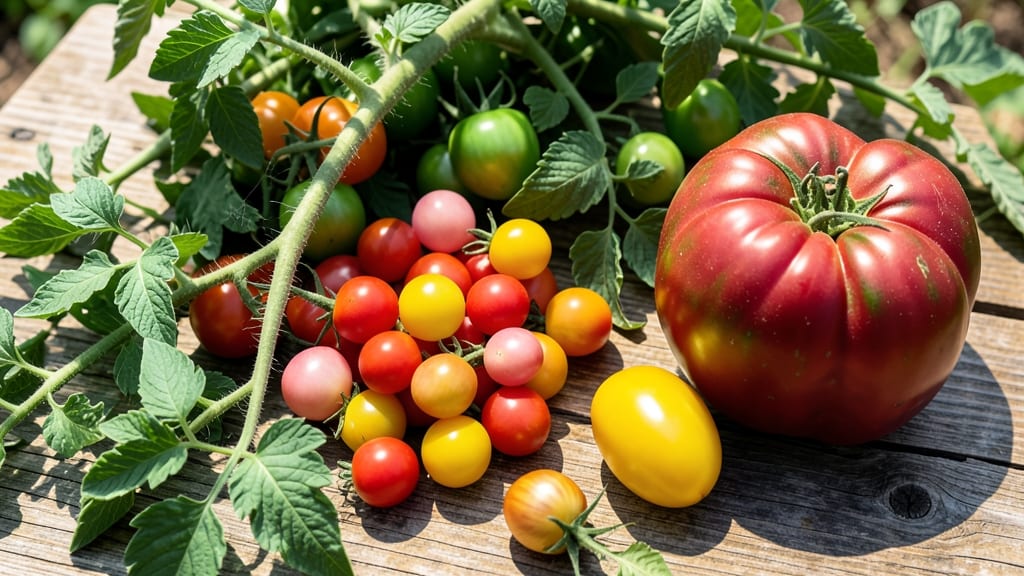
With over 10,000 varieties cultivated worldwide, tomatoes are the undisputed superstars of the nightshade family. Whether you're a backyard gardener or a commercial grower, these plants offer unmatched versatility—from tiny cherry tomatoes perfect for snacking to massive beefsteak varieties weighing over a pound each.
Tomatoes thrive in full sun (6-8 hours daily) and well-draining soil with a pH between 6.0 and 6.8. Heirloom varieties like Brandywine or Cherokee Purple deliver rich flavors, while disease-resistant hybrids (e.g., Celebrity or Roma) suit beginners. Stake or cage plants early to prevent sprawling, and prune suckers for better airflow. For urban gardeners, container varieties like Tiny Tim or Patio Princess fit small spaces beautifully.
This adaptability makes tomatoes the foundation of home gardens and global agriculture. From fresh salads to sun-dried preserves, they reward growers with bountiful harvests—ideal for both novices and seasoned gardeners alike. 🌱
Potatoes: Versatile Tubers for Every Kitchen
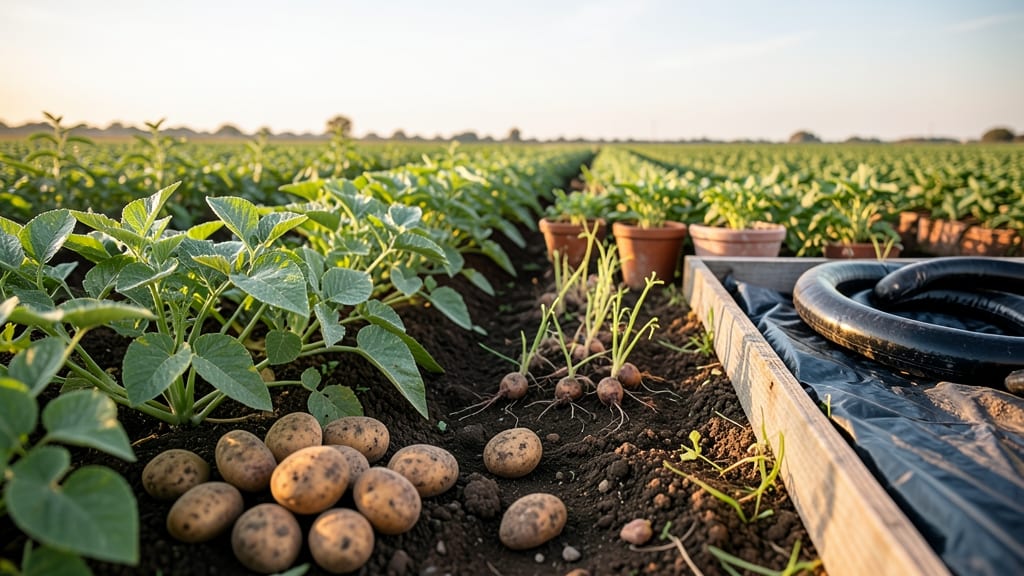
While tomatoes steal the spotlight, potatoes are the unsung heroes of cool-season gardens—thriving in zones as diverse as Alaska’s chilly summers and California’s Mediterranean climate. Their adaptability means you can grow them in containers, raised beds, or even under black plastic mulch to extend the season.
Choose from waxy red potatoes (great for salads) to starchy russets (perfect for baking), with maturity ranging from 60 to 120 days. Plant seed potatoes in loose, well-drained soil when the ground reaches 45°F, and hill soil around stems as they grow to prevent sunlight from turning tubers green. Early varieties like 'Yukon Gold' reward patient gardeners with harvests as early as June.
This hardy crop is ideal for beginners and urban gardeners with limited space—just watch for Colorado potato beetles and blight. With over 4,000 varieties, potatoes bring both practicality and excitement to any garden. 🌱
Eggplants: Glossy Purple Garden Jewels
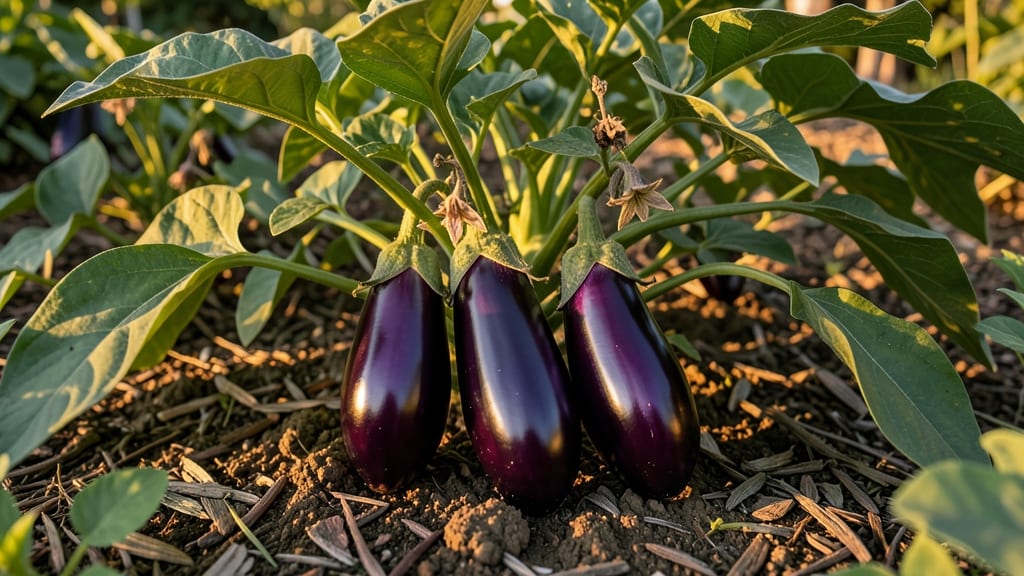
Looking for a dramatic, nutrient-packed addition to your warm-season garden? Eggplants bring both beauty and health benefits to your table, thriving in USDA Zones 4-11 with just 6-8 hours of sun daily. Their deep purple skins aren't just stunning—they're packed with antioxidants like nasunin, which may help protect cells from damage.
Start seeds indoors 8-10 weeks before your last frost, then transplant seedlings when soil reaches 70°F+. Choose compact varieties like 'Fairy Tale' for containers or 'Ichiban' for classic long shapes. These plants love well-draining soil rich in organic matter, and benefit from consistent moisture—never let them dry out completely. Prune lower leaves to prevent soil-borne diseases.
Eggplants reward patient gardeners with year-round harvests in warm climates, and their versatility extends beyond ratatouille. Urban gardeners will love that bush varieties fit perfectly in raised beds or large containers. 🌻
Peppers: Spicy and Sweet Nightshade Varieties
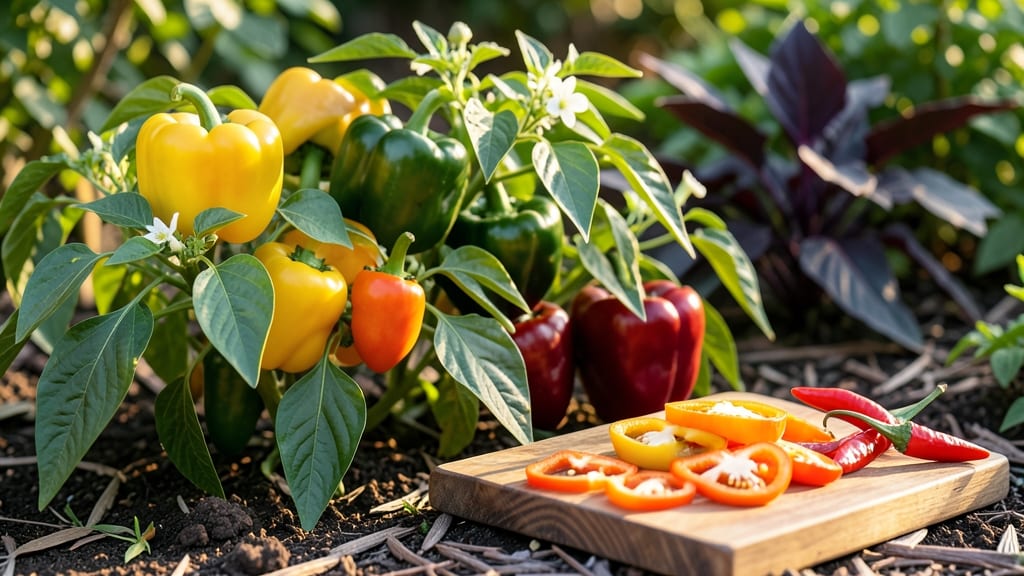
Want a garden that’s as vibrant as it is productive? Peppers deliver both bold flavors and striking foliage, making them a must-have for any nightshade collection. Whether you crave sweet bell peppers for salads or fiery habaneros for spice blends, these plants offer endless possibilities for culinary and ornamental use.
Peppers thrive in full sun (6-8 hours daily) and well-draining soil with a pH of 6.0-7.0. Varieties like jalapeños and cayennes pack heat, while bell peppers provide mild, crunchy texture. Even their leaves add visual interest with glossy, deep green hues—perfect for container gardens or raised beds. Start seeds indoors 8-10 weeks before your last frost for a head start.
Urban gardeners and spice enthusiasts will love how compact yet prolific pepper plants are. With minimal care, you’ll harvest year-round in warm climates or enjoy fresh peppers from summer through fall in cooler regions. 🌻
Petunias: Bright Annual Flowers for Pollinators
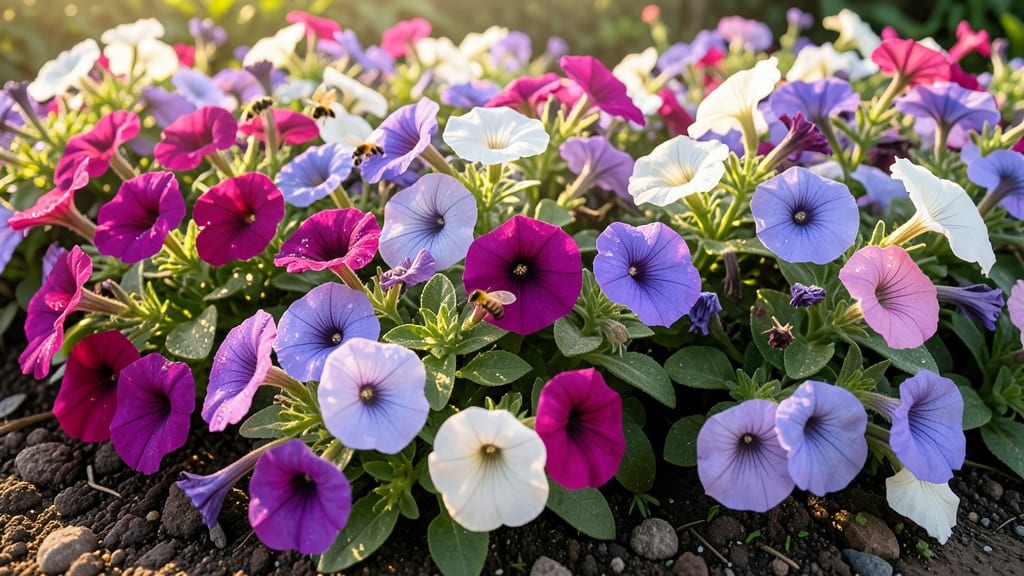
Skip the toxic reputation—petunias are the cheerful, bee-loving exception in the nightshade family! These non-toxic annuals burst with color from spring to frost, making them the perfect pollinator magnet for any sunny garden spot.
Plant them in well-draining soil with at least 6 hours of sun daily, and watch them thrive in hanging baskets, window boxes, or cottage garden borders. Deadheading spent blooms encourages nonstop flowering, while their heat tolerance keeps them blooming even in summer's peak. Choose from classic pinks, vibrant purples, or even bi-color varieties for a cottage garden dream.
Urban gardeners and pollinator enthusiasts will love how petunias fill empty spaces with color while supporting local ecosystems. 🌻
Deadly Nightshade: Highly Toxic Plant
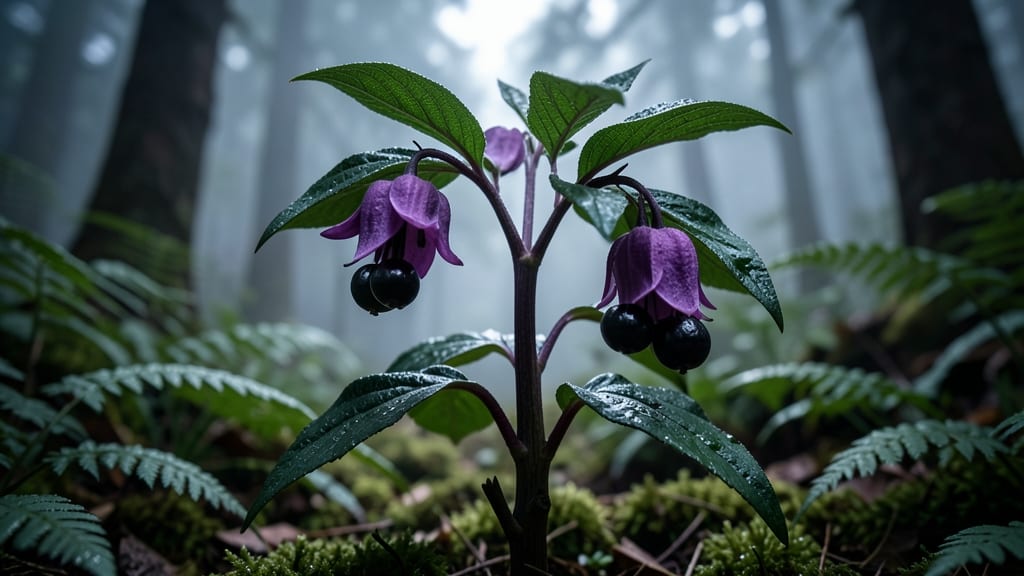
If you’ve ever spotted a lush, purple-blooming plant with glossy leaves and dark berries, you might be looking at deadly nightshade (Atropa belladonna)—a plant so toxic it’s earned its ominous name. While it’s not a garden staple, knowing how to identify it could save you (or your pets) from accidental poisoning.
This perennial nightshade thrives in shaded, wooded areas or neglected gardens, preferring moist, well-drained soil. Its bell-shaped purple flowers and shiny black berries are dead giveaways, but even the leaves contain deadly alkaloids like atropine and scopolamine. Just touching the berries can cause nausea, while ingestion leads to hallucinations, paralysis, or even death.
Gardeners in USDA zones 4-9 should keep an eye out, especially near old foundations or overgrown edges. If you suspect you’ve encountered it, avoid contact and consult a local botanist or extension service for removal. Safety first—this one’s not worth the risk! 🌿
Tobacco Plants: Ornamental and Functional
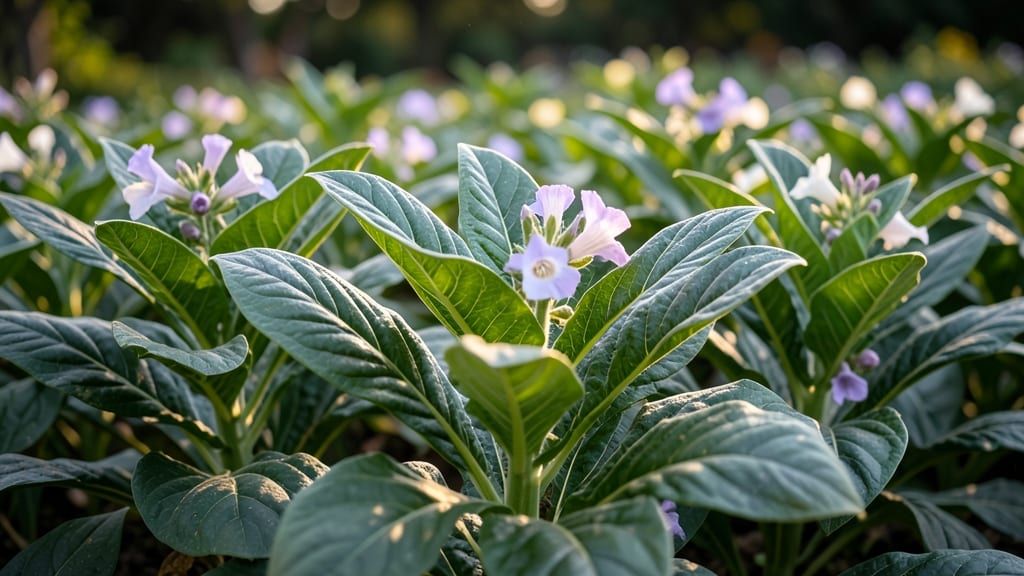
Beyond the kitchen garden, tobacco plants offer a fascinating dual role as both fragrant foliage and functional crops. While often associated with nicotine production, many gardeners cultivate varieties like ornamental tobacco (Nicotiana sylvestris) for their sweetly scented leaves and striking flowers, which attract pollinators to the garden.
These plants thrive in well-drained soil with full sun exposure (6+ hours daily) and tolerate a wide range of climates, from USDA Zones 7-11. For best results, start seeds indoors 8-10 weeks before your last frost, then transplant seedlings 12-18 inches apart. Regular pruning encourages bushier growth and prevents legginess, while consistent moisture (but not soggy soil) ensures lush, aromatic foliage.
Perfect for gardeners seeking both utility and beauty, tobacco plants add vertical interest to borders and containers while providing a sensory experience through their vanilla-like fragrance. Just be mindful of their toxic nature to pets and children. 💚
Physalis: Ground Cherries with Edible Lanterns
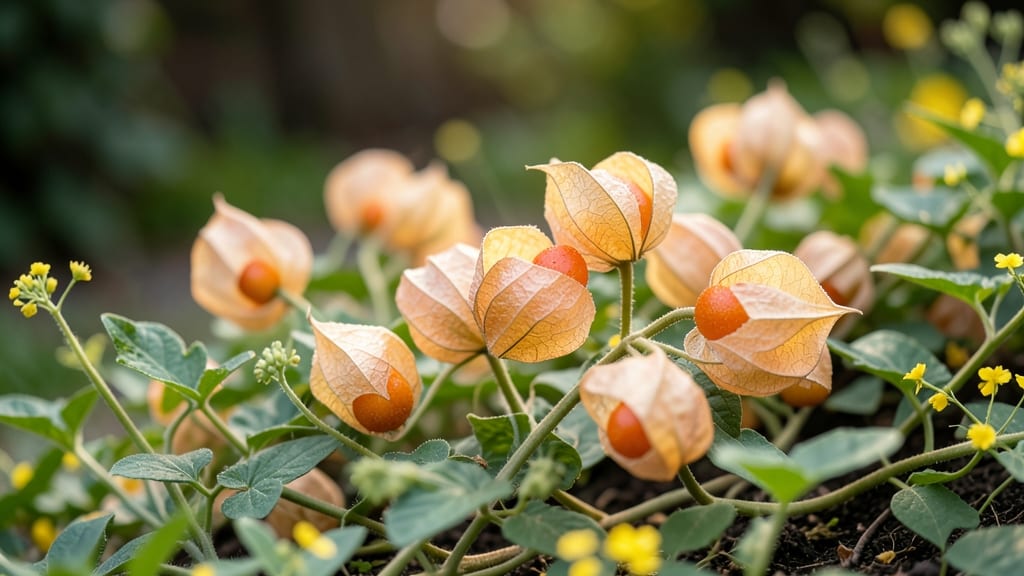
If you love unique edible surprises, physalis (also called ground cherries or Cape gooseberries) will delight your garden with their whimsical papery husks and tart-sweet berries. These annual plants thrive in USDA Zones 2-11, making them one of the most adaptable nightshades for both cool and warm climates.
Plant seeds directly in well-draining soil after the last frost, spacing them 18-24 inches apart. The golden or orange fruits ripen in late summer to early fall, and the husks protect them from pests while adding visual charm. Varieties like 'Pineapple' or 'Strawberry' offer sweet-tart flavors perfect for fresh eating, baking, or jams. Just beware of birds—they adore these treats!
Perfect for small-space gardeners, physalis plants also make stunning container specimens. Their ornamental value extends beyond harvest, making them a favorite for cottage gardens and pollinator-friendly landscapes. 🌟
Capsicum Annuum: The Chili Pepper Family
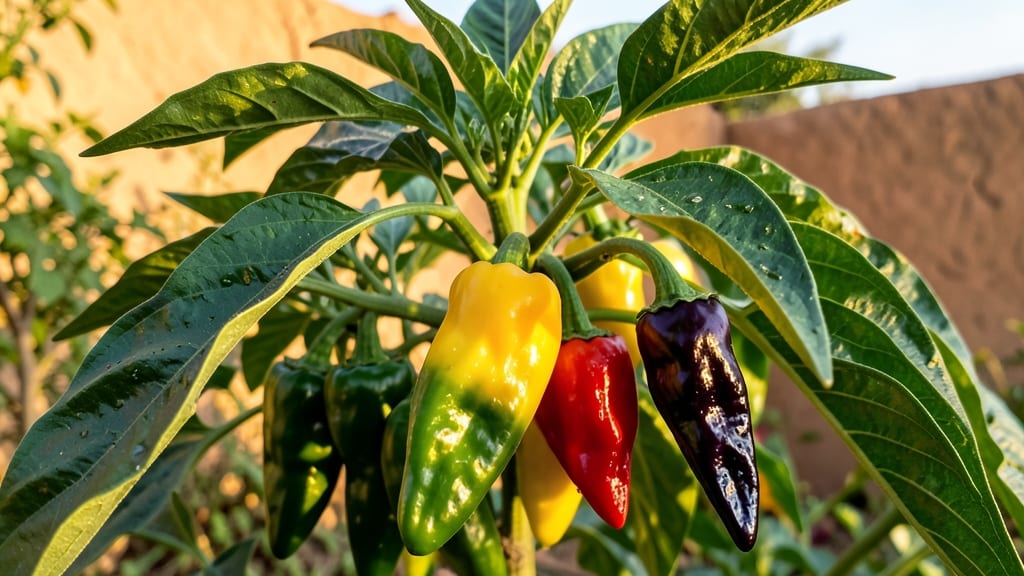
If you love heat and bold flavors, Capsicum annuum is your go-to nightshade—this species includes everything from mild jalapeños to mind-bending ghost peppers. Unlike other peppers, these plants thrive in hot climates and deliver high yields with minimal fuss, making them perfect for both spice enthusiasts and space-conscious gardeners.
Start with jalapeños for a classic kick or try cayenne peppers for heat lovers, but don’t stop there—ghost peppers (like Carolina Reaper) can produce over 100 peppers per plant if given full sun (6-8 hours daily) and well-draining soil. Prune regularly to encourage bushier growth, and harvest peppers at your preferred heat level—they won’t ripen further once picked. These plants also repel pests naturally, reducing the need for chemical interventions.
For urban gardeners or small spaces, compact varieties like Apache or NuMex Heritage fit containers beautifully while packing serious heat. Whether you’re drying peppers for sauces or fresh-picking for salsas, Capsicum annuum delivers year-round in warm zones. 🌱
Solanum Melongena: The Classic Eggplant

If you're dreaming of Mediterranean flavors or smoky grill nights, Solanum melongena (eggplant) delivers both beauty and bold taste to your warm-season garden. These glossy-skinned gems—like Black Beauty or Ichiban—aren’t just for show; they’re packed with fiber, antioxidants, and that satisfying meaty texture when grilled or fried.
Start seeds indoors 8-10 weeks before your last frost, then transplant seedlings into well-draining soil once nighttime temperatures stay above 55°F. Eggplants crave full sun (6-8 hours daily) and consistent moisture, but avoid overwatering to prevent blossom-end rot. For compact gardens, try bush varieties like 'Fairy Tale'—perfect for containers or raised beds. Prune lower leaves to improve airflow and deter pests like flea beetles.
Urban gardeners and Mediterranean cuisine lovers will adore how these plants reward patience with year-round harvests in warm climates. Whether you're making baba ganoush or charring slices for a summer BBQ, eggplants bring drama, nutrition, and versatility to your table. 🌿