
Shrubs
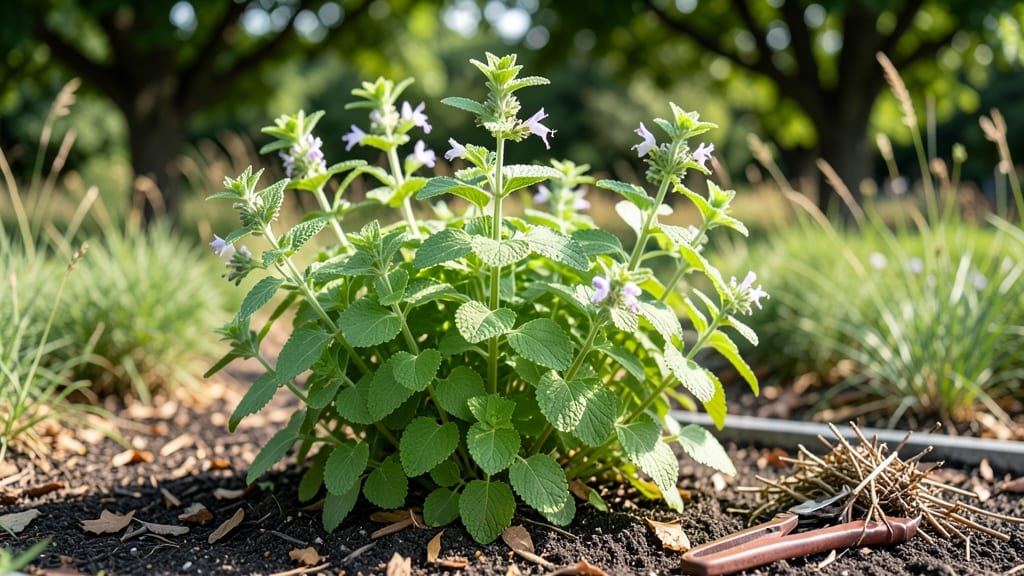
Growing lemon balm in sun or shade is easier than you think—this hardy herb thrives in both conditions while spreading fast and packing a punch of citrusy flavor.
Picture this: a fragrant, low-maintenance perennial that doubles as a kitchen staple and a natural remedy, all while adapting to your garden’s quirks. Whether your spot gets morning sun or dappled shade, lemon balm 🍋 delivers without fuss.
Too much sun? No problem—it handles partial shade gracefully, though its growth may slow. Too little light? Still fine, though the leaves might mellow in intensity. Below, I’ll break down the ideal balance, how to spot light-related issues, and pro tips to keep your plants lush year-round.
Ready to grow lemon balm that’s both productive and problem-free? Let’s dive into the light conditions that work—and why they matter for flavor, yield, and long-term health.
 Best Window Placement
Lemon balm sun vs shade requirements: growth patterns and care tips
Lemon balm (Melissa officinalis) is one of the most adaptable herbs in your garden, thriving in full sun, partial shade, and even full shade. But did you know its growth rate, leaf size, and flavor intensity change dramatically based on light exposure?
Understanding these differences helps you optimize your plant's health and yield, whether you're growing it for culinary, medicinal, or ornamental purposes.
In full sun conditions, lemon balm grows aggressively with broad, dark green leaves and a bold lemon scent. However, in partial shade or full shade, it becomes more compact with smaller, lighter leaves and a milder flavor.
Let’s break down how to care for lemon balm in each scenario to maximize its potential in your garden.
Here’s a quick comparison to help you visualize the differences:
When growing lemon balm in full sun, it demands well-draining soil with rich organic matter. Amend your garden bed with compost or aged manure before planting to support its rapid growth.
In hot climates, provide afternoon shade to prevent leaf scorch, especially during peak summer months when temperatures exceed 85°F (29°C).
For partial shade conditions, lemon balm still performs well but requires consistent moisture to prevent wilting. Mulch around the base with straw or wood chips to retain soil moisture and regulate temperature.
This setup is ideal for container growing, where you can easily move pots to follow the sun’s path throughout the day.
In full shade, lemon balm may struggle to thrive unless you take extra steps. Start with a fertile, moisture-retentive soil mix and consider adding a slow-release fertilizer in early spring.
Avoid overcrowding, as poor light limits its ability to photosynthesize efficiently. If your garden is heavily shaded, opt for dwarf varieties like 'Quedlinburg' for better adaptability.
Pruning strategies vary by light exposure. In full sun, prune 2-3 times per year to control its aggressive spread and encourage bushier growth. For partial shade, a single light pruning in late spring suffices to shape the plant.
In full shade, minimal pruning is needed—focus on removing only dead or yellowing leaves to maintain plant health.
Harvesting lemon balm is easiest when grown in partial shade or full sun, where leaves are larger and more flavorful. Always harvest in the morning after dew has dried for the most potent essential oils.
In shaded conditions, expect a 20-30% reduction in yield, but the leaves remain useful for tea blends or pest-repellent sprays.
Lemon balm’s adaptability makes it a low-maintenance hero for any garden spot. Whether you’re growing it in a sun-drenched border, a shady woodland garden, or a balcony container, this herb delivers fragrance, flavor, and medicinal benefits year after year.
Experiment with different light conditions to see which setup works best for your climate and growing goals!
5 Pro tips for growing lemon balm in challenging light conditions
Growing lemon balm in low-light gardens doesn't mean sacrificing a thriving, fragrant plant. This hardy herb adapts beautifully to partial shade and even full shade with the right care. The key is understanding how to optimize its environment for maximum growth and flavor.
Unlike sun-loving herbs, lemon balm thrives when protected from harsh afternoon rays, making it perfect for shady spots where others fail.
In my experience, the biggest challenge isn't the light itself but avoiding common mistakes like overcrowding or improper watering. Lemon balm spreads aggressively, so container growing becomes essential in tight spaces. Let's explore my top strategies for keeping your lemon balm happy and productive, even when sunlight is limited.
🌿 5 Pro Tips for Lemon Balm in Low Light
- ✅ Choose the right containers - Use 12-inch pots with drainage holes for root control. Opt for fabric grow bags to prevent root circling.
- 🌱 Pair with shade-tolerant companions - Plant with mint varieties, hostas, or astilbes to create a supportive microclimate.
- 💧 Water consistently at soil level - Avoid wetting leaves to prevent fungal diseases common in damp shade. Use a drip irrigation system for precision.
- ☀️ Rotate containers seasonally - Move pots to morning sun in winter for extra light. In summer, provide 30% shade cloth if leaves scorch.
- ✂️ Prune strategically in spring - Cut back one-third of growth before new shoots emerge. This encourages bushier, more productive plants in low light.
One of my favorite tricks is using reflective surfaces to maximize light. Place a white garden mirror or light-colored gravel near your lemon balm to bounce extra light onto the leaves. This simple hack can make a noticeable difference in leaf size and flavor intensity, especially during cloudy periods.
I've seen plants in full shade grow nearly as vigorous as those in partial shade using this technique.
When selecting varieties for challenging light conditions, opt for 'Aureus' lemon balm with its golden foliage. This variety handles shade better than standard types and adds visual interest to your garden.
Remember to harvest regularly to encourage new growth - pinching back stems in early spring gives your plants a growth boost when natural light is still limited.
Common mistakes to avoid include letting lemon balm become root-bound in containers or allowing soil to dry out completely. Both issues stress the plant and reduce its ability to adapt to low light.
I recommend top-dressing with compost every spring to replenish nutrients lost in shady conditions. This simple maintenance keeps your lemon balm lush and productive year after year.
With these strategies, you'll enjoy abundant lemon balm even in the shadiest corners of your garden. The secret lies in working with the environment rather than against it - giving your plants the support they need to thrive where others might struggle. Happy growing! 🌱