
Shrubs
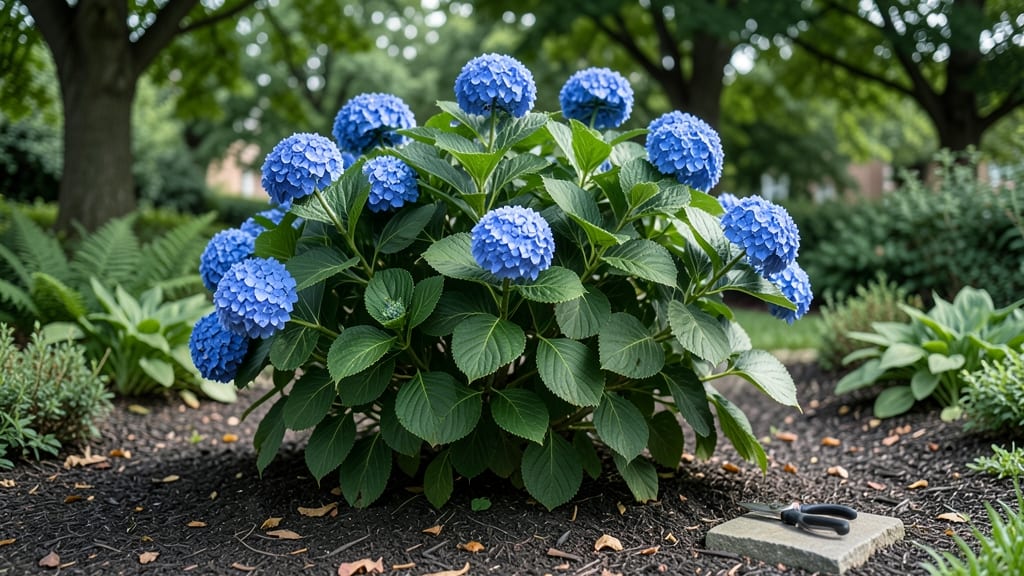
Shade-loving hedge bushes transform dark corners into lush, private retreats. 🌿 I've planted enough struggling hedges to know which varieties actually thrive in low light—like dwarf inkberry and Emerald Green arborvitae, both of which stay dense and vibrant where sun-starved shrubs give up.
These evergreens grow steadily without demanding full sun, offering year-round privacy and texture that brightens shady spots. They pair beautifully with hostas, ferns, and shade-tolerant perennials, creating layered privacy screens that feel intentional, not forced.
With proper spacing and occasional pruning, you'll end up with a thriving green wall that blocks wind, muffles noise, and stays lush even in deep shade. The best part? They require minimal maintenance once established—just a little water when young and an annual trim to keep them shaped.
Perfect for backyard privacy, property borders, or even container plantings along patios. Let's bring some life to those shadowy spots without sacrificing beauty or function.
Why Shade Struggles Occur
When hedge bushes fail to thrive in shady spots, it’s rarely just "bad luck"—specific environmental and biological factors are at play. Understanding these causes helps you choose the right plants and adjust care routines to ensure lush, healthy growth.
Here’s why shade can stifle your hedge bushes and how to recognize the signs.
Most hedge bushes evolved to grow under partial to full sunlight, meaning they rely on sunlight for photosynthesis—the process that converts light into energy for growth. In deep shade, plants struggle to produce enough glucose, leading to:
- Stunted growth: Leaves may stay small, stems become weak, and branches grow sparsely.
- Pale or yellowing foliage: Chlorophyll (the green pigment) breaks down due to lack of light, causing leaves to lose vibrancy.
- Leggy, stretched-out stems: Plants "reach" for light, creating a thin, weak structure prone to snapping.
Actionable fix: Test your shade with a light meter or observe how sunlight filters through trees at different times of day. If your hedge gets <4 hours of dappled light (filtered sunlight), opt for shade-tolerant species like Holly, Boxwood, or Inkberry.
Shady areas often have compacted, nutrient-poor soil that drains poorly. Without sunlight, soil microbes (which break down organic matter) work slower, depriving plants of essential nutrients like:
- Nitrogen (for leafy growth)
- Phosphorus (for root development)
- Potassium (for disease resistance)
Additionally, excess moisture in shaded soil can lead to:
- Root rot from fungal overgrowth (e.g., Phytophthora).
- Deficiencies in oxygen, suffocating roots and stunting growth.
Actionable fix: Amend soil with compost or well-rotted manure before planting. For heavy clay soils, mix in sand or perlite to improve drainage. Mulch with wood chips to retain moisture and regulate temperature.
Shade can create a deceptive moisture trap. While it may seem like less evaporation occurs, many shade-loving bushes still need consistent watering because:
- Slower evaporation means water lingers longer, but it doesn’t always penetrate deep enough to reach roots.
- Competition from grass/weeds in shady lawns can steal water and nutrients from your hedge.
- Overhead watering (e.g., sprinklers) can promote fungal diseases by keeping foliage damp.
Signs of water stress in shade:
- Curling or crispy leaf edges.
- Premature leaf drop.
- Wilting despite moist soil (a sign of poor root development).
Actionable fix: Water deeply but infrequently—aim for <1–1.5 inches per week, delivered at the base of the plant (not the leaves). Use drip irrigation or soaker hoses for efficiency.
Shady, humid environments are ideal breeding grounds for pests and pathogens that target stressed hedge bushes. Common culprits include:
| Problem | Symptoms | Why It Thrives in Shade |
|---|---|---|
| Spider Mites | Yellow stippling on leaves, fine webbing. | Low humidity from shade + dry air = mites multiply unchecked. |
| Fungal Leaf Spot (e.g., Anthracnose) | Brown/black spots with yellow halos, defoliation. | Poor air circulation + excess moisture = fungal spores spread easily. |
| Root-Knot Nematodes | Stunted growth, gnarled roots, wilting. | Cool, damp soil accelerates nematode activity. |
Actionable fix: Improve air flow by pruning overgrown branches and avoiding dense mulch layers. Treat infestations with neem oil (for mites) or copper fungicides (for leaf spot). For nematodes, solarize soil in summer or plant marigolds (a natural repellent) nearby.
Not all hedge bushes are created equal. Some sun-lovers (like Arborvitae or Juniper) will sulk, yellow, or die in deep shade, while others thrive with minimal light. Key mismatches:
- Broadleaf evergreens (e.g., Boxwood, Holly) tolerate shade but may drop leaves if light is too low.
- Needle-leaved evergreens (e.g., Pine, Fir) often lose needles in shade due to poor photosynthesis.
- Fast-growing hedges (e.g., Bamboo, Leyland Cypress) may outgrow their light, leading to dieback.
Actionable fix: Choose native or shade-adapted species for your USDA hardiness zone. Examples:
- Partial shade (4–6 hrs light): Dwarf Fothergilla, Oakleaf Hydrangea
- Deep shade (<4 hrs light): Inkberry Holly, Japanese Yew, Dwarf Gardenia
Revitalize Your Shady Hedges
Shade-loving hedge bushes may seem low-maintenance, but they still need care to stay lush and healthy. Below are practical, step-by-step solutions to common issues—plus prevention tips to keep your evergreen privacy screen thriving in low-light conditions.
Cause: Insufficient light, compacted soil, or over-pruning.
Fix It: 🔥 Boost Light Exposure
- Trim back nearby trees or structures to allow dappled sunlight (even indirect light helps).
- If possible, rotate plants seasonally to ensure even light distribution.
🍳 Improve Soil Drainage
- Test soil moisture—if soggy, amend with compost or perlite to prevent root rot.
- Plant in raised beds if your yard has heavy clay.
👨🍳 Fertilize Strategically
- Use a slow-release, acid-loving fertilizer (like for rhododendrons) in early spring.
- Avoid high-nitrogen fertilizers—they can burn roots in shade.
⏰ Prune Correctly
- Trim only dead or overcrowded branches—never cut more than ⅓ of the plant at once.
- Best time: Late winter or early spring before new growth starts.
Prevention Tip: 💡 Mulch annually with pine bark or shredded leaves to retain moisture and nutrients.
Cause: Overwatering, nutrient deficiency, or fungal issues.
Fix It: 🌡️ Check Watering Habits
- Too much water? Let soil dry slightly between waterings.
- Too little? Water deeply 1-2 times per week (adjust for rainfall).
🎯 Diagnose Leaf Color
- Yellow lower leaves? Likely iron deficiency—use a chelated iron supplement.
- Brown tips? Could be fluoride buildup (from tap water)—switch to rainwater or distilled water.
✨ Fungal Treatment (If Needed)
- Spray with neem oil or copper fungicide if leaves have black spots or powdery mildew.
- Prevent spread by removing infected branches immediately.
Prevention Tip: 🌿 Space plants properly (3-5 ft apart) for better airflow, reducing fungal risks.
Cause: Weak plants attract pests; shade can trap humidity, encouraging bugs.
Fix It: 🔪 Manual Removal First
- Blast off aphids with a strong water spray (early morning works best).
- Scrape off scale insects with a soft brush dipped in soapy water.
💪 Natural Repellents
- Spray with insecticidal soap (repeat every 5-7 days).
- Introduce beneficial insects like ladybugs or lacewings for long-term control.
Prevention Tip: 🌡️ Monitor humidity—use a dehumidifier in greenhouses or prune for airflow if pests recur.
Cause: Too much shade, lack of nutrients, or improper pruning.
Fix It: 🌞 Gradual Light Adjustment
- If possible, thin out taller trees to let more light filter through.
- Group hedges in clusters to create their own microclimate.
🍎 Balanced Fertilizer Boost
- Switch to a low-nitrogen, high-phosphorus fertilizer (like 5-10-5) to encourage root and foliage strength.
👨🍳 Structural Pruning
- Cut back leggy stems to encourage bushier growth from lower branches.
- Avoid "shearing"—use hand pruners for a more natural shape.
Prevention Tip: 💡 Plant in stages—add new bushes every few years to maintain density without overcrowding.
Final Pro Tip: 🌟 Rotate care seasonally—spring for pruning, summer for pest checks, and fall for soil amendments. With the right adjustments, your shade-loving hedges will stay thick, green, and full for years!
Frequently asked questions
What's the best spacing for shade-tolerant hedge bushes?
For most shade-loving varieties, plant them 3-5 feet apart to allow proper airflow and room to grow. Dwarf varieties like Emerald Green arborvitae can be spaced 2-3 feet apart, while larger shrubs like Inkberry holly need 5-6 feet between plants. This spacing prevents overcrowding, reduces disease risk, and ensures each plant gets enough nutrients from the soil.
Can I grow shade bushes in containers?
Many shade-tolerant varieties thrive in containers, including dwarf boxwood, Japanese yew, and dwarf gardenia. Use pots at least 12-18 inches deep with drainage holes, and choose a well-draining potting mix. For privacy screens, line up 3-5 containers in a row, spacing them 1-2 feet apart. Move containers to brighter spots in winter if possible.
How do I know if my shade hedge needs more light?
Watch for these signs: leggy growth, pale or yellowing leaves, and sparse foliage. If your hedge looks stretched out or has bare spots, it's likely not getting enough light. Try thinning nearby trees or relocating the plant to a slightly sunnier spot. Most shade bushes need at least 4-6 hours of filtered light daily to stay healthy.
Which shade bushes work best for small yards?
For compact spaces, opt for dwarf varieties like Dwarf Fothergilla (3-4 feet tall), Emerald Green arborvitae (2-3 feet tall), or Dwarf Gardenia (2-3 feet tall). These stay manageable while providing excellent privacy. Another great option is Dwarf Inkberry holly, which grows 3-4 feet tall and has beautiful berries for wildlife.
Do shade bushes need special winter care?
Most shade-tolerant bushes are hardy, but evergreens like arborvitae and boxwood may need protection from harsh winter winds. Wrap young plants with burlap or use mulch around the base to insulate roots. Avoid heavy snow buildup on branches—gently brush it off to prevent breakage. Water occasionally during dry winter spells if there's no snow cover.