
Orchid Care
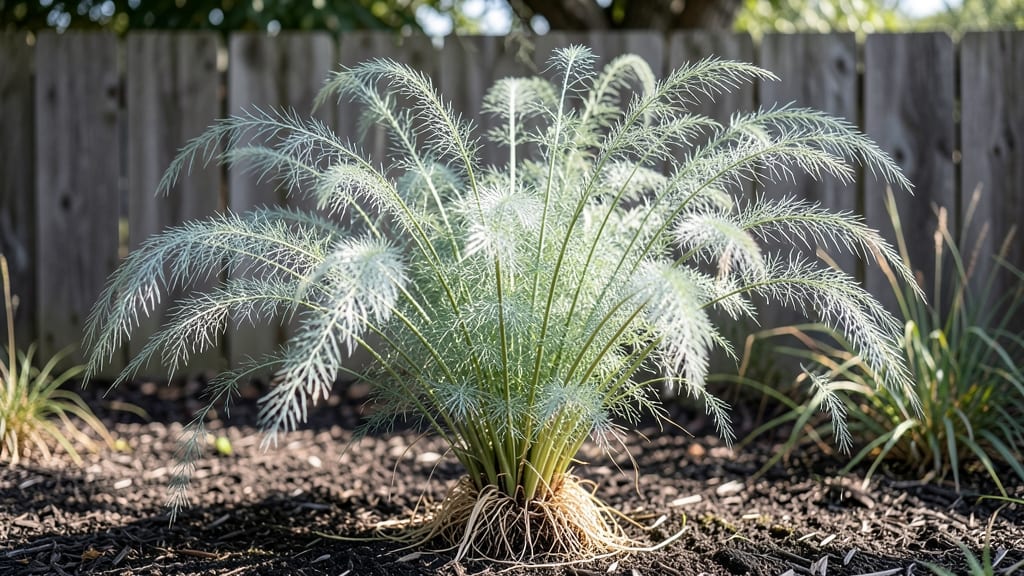
Deciding whether your foxtail fern 🌿 thrives in sun or shade can feel like a guessing game—until you know the secret to its happy medium.
Struggling to keep your foxtail fern thriving? The battle between sun and shade might be the hidden factor stunting its growth—here’s how to master its light needs for a lush, vibrant plant.
This adaptable grass-like beauty loves bright, indirect light but can handle shade, making it perfect for indoor spaces or shaded gardens. Too much direct sun, though, and you’ll see crispy fronds—while too little light leads to leggy, sparse growth.
Below, I’ll show you how to read your plant’s light cues, adjust its placement for optimal growth, and troubleshoot common issues so your foxtail fern stays happy year-round.
 Best Window Placement
Foxtail fern sun requirements: how much light is too much?
Your foxtail fern thrives on balance—too much sun scorches its delicate fronds, while too little shade makes it leggy and sparse. Understanding its light preferences is key to keeping it lush and vibrant.
These plants naturally grow under dappled sunlight in their native habitats, which means they need bright but filtered light most of the day.
Direct afternoon sun (especially in hot climates) can cause brown tips and crispy edges, while deep shade slows growth and weakens the plant's structure. The ideal spot mimics morning sun with afternoon shade, like under a tree canopy or near an east-facing window indoors.
Here’s how to decode your foxtail fern’s light needs at a glance:
| Light Condition | Ideal Exposure | Signs of Stress | Adjustment Tips |
|---|---|---|---|
| Bright Indirect Light | 6 hours daily (e.g., east window) | Healthy green fronds, compact growth | Use sheer curtains to diffuse light |
| Direct Morning Sun | 2–4 hours max (before 10 AM) | Yellowing tips, slight wilting | Move to indirect light by noon |
| Direct Afternoon Sun | Avoid entirely (especially in summer) | Brown crispy edges, scorched fronds | Relocate to shade or use shade cloth |
| Low Light (Deep Shade) | Less than 2 hours/day | Leggy stems, sparse fronds, pale color | Add a grow light 10–12 inches away |
In hot climates (Zones 8–10), foxtail ferns often struggle with intense midday sun. I’ve found success by placing them under 50% shade cloth during peak hours (11 AM–3 PM) while still allowing morning light. This mimics their natural understory habitat and prevents sunburn.
For cooler climates (Zones 3–6), these plants can handle slightly more direct light, especially in spring or fall. However, even here, afternoon sun is the enemy—opt for a west-facing window with a sheer curtain instead of unfiltered light.
Observe your plant’s fronds: if they’re curling or turning yellow, it’s a clear sign to move it to a brighter but indirect spot.
If your foxtail fern develops brown tips, don’t assume it’s from underwatering—sun stress is often the culprit. Trim the damaged areas with clean scissors and relocate the plant to a spot with filtered light.
Within 2–3 weeks, you should see new growth emerging from the base, signaling recovery.
Pro tip: Rotate your pot quarter-turns weekly to ensure even light exposure. This prevents fronds from leaning toward one side and keeps the plant symmetrical. I’ve seen foxtail ferns grow twice as full when given consistent, gentle light from all angles.
Outdoors, pair your foxtail fern with taller plants (like bamboo or ornamental grasses) to provide natural shade during the hottest part of the day. This creates a microclimate that mimics its preferred dappled sunlight environment while keeping roots cool.
Remember, adaptation is key. If you notice your foxtail fern struggling in its current spot, experiment with small adjustments—move it a few inches closer or farther from the light source and monitor changes over a week.
With the right balance, your foxtail fern will reward you with plush, feathery fronds all year round. 🌿
Shade tolerance secrets: can foxtail ferns survive low light?
If your foxtail fern looks pale or leggy, it might be crying out for more light—but not necessarily harsh sun. These plants are surprisingly adaptable to low-light conditions, making them perfect for shady corners or indoor spaces.
The key lies in understanding how to spot underlit environments and how to supplement their needs without risking sunburn.
Foxtail ferns thrive in bright, indirect light, which means they can handle dimmer spots than many houseplants. However, they won’t tolerate dark corners or rooms without natural light for long stretches.
Indoor grow lights can be a game-changer if your home lacks ideal windows. Let’s explore how to identify underlit spaces and create the perfect conditions for your fern’s growth.
Foxtail ferns in low-light conditions show these red flags:
- Pale fronds (lacks chlorophyll)
- Leggy stems (stretching toward light)
- Slow growth (or no new fronds)
If you see these signs, act fast—your fern needs more bright indirect light or a grow light within 2-3 feet.
For indoor growing, position your foxtail fern near an east- or west-facing window, where it gets gentle morning or afternoon sun. Avoid south-facing windows in hot climates, as direct afternoon rays can scorch delicate fronds.
If your space is truly dim, a LED grow light on a timer (12-14 hours/day) mimics natural light cycles and prevents stretching.
Outdoor foxtail ferns in shaded gardens or under trees should still receive dappled sunlight for at least 2-4 hours daily. Mulch the soil to retain moisture, as shaded areas dry out slower.
If your fern is planted in a north-facing spot, consider moving it to a slightly sunnier location or supplementing with a portable light during winter months when daylight fades.
To test your space’s light levels, place a white sheet of paper near your fern for a few hours. If the paper stays bright, the light is sufficient. If it darkens quickly, your fern needs more illumination.
A simple reflective surface, like a mirror or white wall, can also bounce extra light onto your plant without direct exposure.
Remember, foxtail ferns are low-maintenance but not low-light specialists. With the right adjustments—whether moving to a brighter spot or adding a grow light—your fern will reward you with lush, vibrant fronds year-round. Start small, observe its response, and tweak as needed. Your fern’s health depends on it! 🌿