
Shrubs
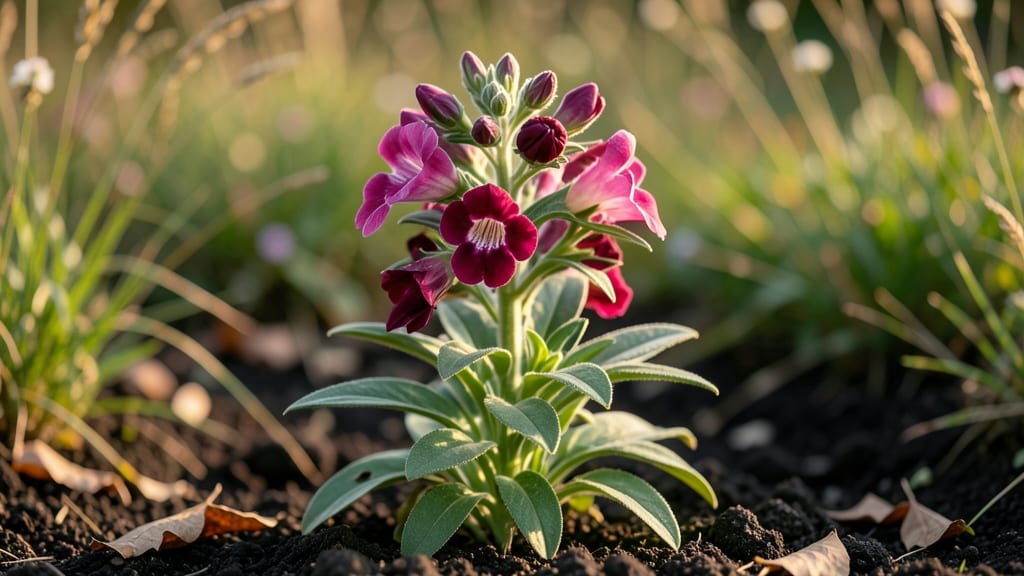
Growing snapdragons in shade requires choosing shade-tolerant varieties like 'Black Velvet' or 'Allegro' and providing partial sun (2-4 hours daily). Amend soil with compost, keep moist, and avoid overcrowding for best results in low-light conditions.
Snapdragons can thrive in partial shade, but their success depends on selecting the right cultivars and optimizing growing conditions. 🌿 Varieties like 'Allegro' and 'Black Velvet' are bred to handle lower light levels, though they still need some direct sunlight to produce vibrant blooms.
The key is balancing light exposure with soil fertility—well-draining, compost-rich soil helps compensate for reduced photosynthesis. I've found that spacing plants properly prevents competition for nutrients, which is especially critical in shadier spots where growth naturally slows.
For best results, aim for morning sun followed by afternoon shade, as this prevents leaf scorch while still giving plants enough energy. Mulching helps retain moisture and regulate soil temperature, which is particularly beneficial in shaded areas where evaporation is slower.
Remember that even shade-tolerant snapdragons will produce fewer blooms in deep shade, so don't expect the same abundance as sun-loving varieties.
💡 In This Article
- How Light Affects Snapdragon Growth in Shaded Gardens
- Top Shade-Tolerant Snapdragon Varieties and Planting Tips
How light affects snapdragon growth in shaded gardens
Snapdragons rely on sunlight to power photosynthesis, where chlorophyll converts light energy into glucose for growth. In shaded conditions, chlorophyll production slows down by up to 40%, forcing plants to rely more on stored nutrients.
This explains why snapdragons in deep shade often develop pale leaves and weaker stems—limited energy affects both leaf structure and flower development. The plant's natural response is to stretch toward any available light, a process called etiolation, which makes stems leggy and prone to flopping.
Reduced light also impacts flower production directly. Snapdragons need 6-8 hours of sunlight for optimal blooming, but even shade-tolerant varieties like 'Allegro' will produce 30-50% fewer flowers in partial shade.
The energy that would normally go into vibrant blooms gets redirected to leaf growth instead. 🌱 What's interesting is how the plant compensates: it increases the number of smaller flowers rather than developing fewer large ones, which is why shaded snapdragons often have a more delicate appearance.
The flowers themselves may also open more slowly in cooler, shaded environments.
To counteract these effects, focus on soil fertility and spacing. Amending soil with 2-3 inches of compost before planting provides essential nutrients that help snapdragons make the most of limited light. I've found that adding a balanced 10-10-10 fertilizer at planting time gives plants an immediate energy boost.
Spacing plants 12-18 inches apart prevents competition for nutrients, which is especially important in shaded areas where growth naturally slows. Proper spacing also improves air circulation, reducing the risk of fungal issues that thrive in damp, shaded conditions.
Another critical factor is light quality. While total light hours matter, the spectrum of light also plays a role. Shaded areas receive more diffuse light with less blue spectrum, which is crucial for photosynthesis.
This is why snapdragons in partial shade often benefit from being placed near reflective surfaces like light-colored walls or mulch—this can increase light exposure by up to 20% without direct sun.
Consider positioning plants where they can catch dappled sunlight filtering through trees, as this provides a more natural light environment than deep shade.
Temperature also interacts with light availability in shaded gardens. Snapdragons prefer daytime temperatures between 60-75°F, but in shaded areas, temperatures may stay cooler, further slowing growth. This is why mulching with 2-3 inches of organic material (like straw or wood chips) helps regulate soil temperature and retain moisture.
The cooler soil in shaded areas can also delay germination, so starting seeds indoors or using transplants is often more successful than direct sowing in low-light conditions.
Finally, remember that snapdragons are biennials, meaning they often produce more robust growth in their second year. If you're growing them in shade, consider planting them in early spring to give them a full growing season to establish strong roots before winter.
This extra time allows them to build up reserves that will support better flowering in their second year, even with limited light exposure. 🌿