
Light Requirements
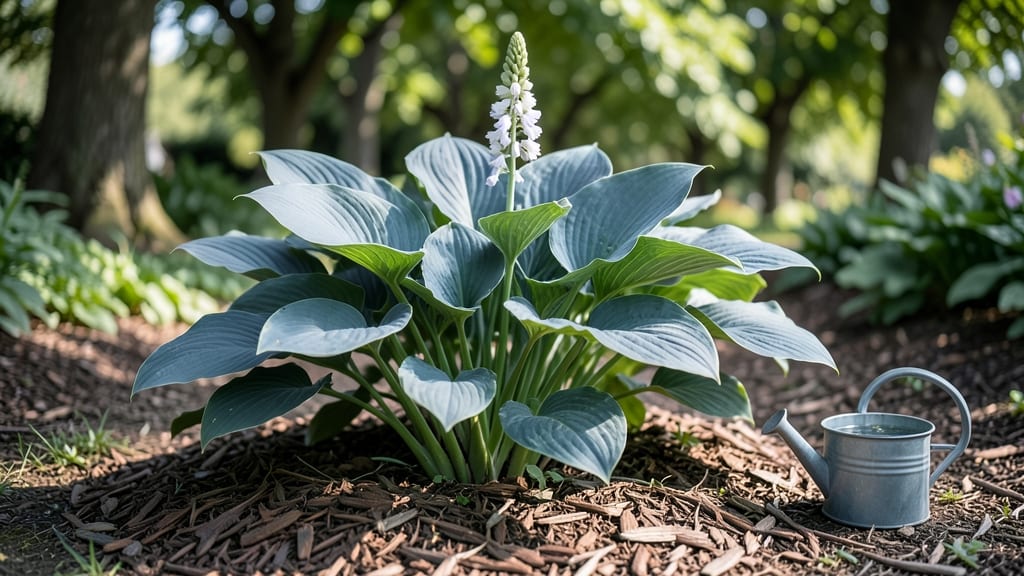
Dark corners don’t have to stay bare—shade-loving plants transform them into lush, vibrant spaces. 🌿 I’ve turned my own shady spots into thriving mini-forests using ferns, hostas, and impatiens that beginners can’t kill.
The key is choosing plants that match your shade level (full, partial, or dappled) and arranging them for maximum impact.
Start with hostas for bold foliage, heucheras for striking colors, and impatiens for bursts of flowers. Layer them with ferns and astilbes to create depth—tall plants at the back, mid-height in the middle, and trailing varieties like sweet woodruff along the edges.
A single well-placed tree or north-facing wall becomes a stunning vertical garden.
You’ll end up with a space that feels alive, even without sunlight. The textures—velvety hosta leaves, feathery ferns, and glossy impatiens—create a soothing, almost magical atmosphere. Plus, these plants thrive with minimal fuss, making them perfect for busy gardeners or small patios.
Shade gardening works everywhere: under mature trees, along fences, or even indoors near windows. The secret? Trust the plants to do their thing—they’ll reward you with lushness you never expected in those dim corners.
📚 In This Guide
- What you need
- Instructions
- Tips and common mistakes
- Wrapping up and next steps
What you need
- ● Shade-tolerant plants: 5–10 plants (e.g., Hostas, Ferns, Calatheas, Impatiens, or Astilbes). Choose based on your shade level (full, partial, or deep).
- ● High-quality potting soil: 2–3 bags (5 cubic feet each) of well-draining, organic-rich soil (e.g., Miracle-Gro Potting Mix or FoxFarm Ocean Forest).
- ● Containers or garden beds: Containers: 5–10 pots (10–14 inches in diameter) with drainage holes. Terracotta or fabric grow bags work best.
- ● Garden beds: A shady patch (4’x4’ minimum) with 6–12 inches of loose soil for root growth.
- ● Mulch: 1–2 bags of organic mulch (e.g., shredded bark or pine needles) to retain moisture and suppress weeds.
- ● Garden gloves (1 pair) – Protect your hands from thorns or soil.
- ● Trowel or hand shovel – For digging and transplanting.
- ● Pruners or shears – To trim dead foliage or shape plants.
- ● Watering can or hose with a gentle spray nozzle – Shade plants need consistent moisture but hate soggy roots.
- ○ pH testing kit (optional) – Ensures soil is slightly acidic (6.0–7.0), ideal for most shade plants.
- ● Location assessment: Identify if your area gets full shade (0–3 hours of light), partial shade (3–6 hours), or deep shade (6+ hours).
- ● Drainage check: Ensure containers or beds drain well—stagnant water = root rot. Add perlite or sand if needed.
- ● Sunlight alternatives (if needed):strong> If your space is very dark, consider artificial grow lights (LED or fluorescent) for 4–6 hours/day.
Step-by-step guide to selecting and planting thriving shade-loving plants
Transform your darkest corners into lush, vibrant spaces with these proven shade specialists.
🌱 Step 1: Assess Your Shade Conditions
Not all shade is equal—first, determine whether your space gets partial shade (4-6 hours of dappled light) or full shade (less than 4 hours). I use a simple test: if you can read a book comfortably outdoors for hours without squinting, it's full shade. This distinction matters because plants like hostas thrive in full shade, while astilbes prefer partial shade with morning sun.
Check moisture levels too. Shady spots often stay damp longer, so avoid waterlogged areas unless you're planting moisture-loving natives like ferns or heucheras. Dig a small hole to test drainage—if water pools after 30 minutes, amend the soil with 2-3 inches of compost to improve aeration before planting.
🌿 Step 2: Choose Plants for Your Light Conditions
For full shade, focus on foliage plants that deliver texture and color without sunlight: Japanese painted ferns (silvery-blue fronds), tiarella (foamflower with heart-shaped leaves), and bleeding heart (arching stems with pink blooms). These plants tolerate 3+ hours of shade daily and even perform well under tree canopies where light filters through leaves.
In partial shade, prioritize plants that bloom reliably: astilbes (feathery plumes in pink/white), foxgloves (tall spikes of bell-shaped flowers), and lungwort (silvery foliage with blue flower clusters). I always plant foxgloves in clusters of 3—their vertical height adds drama to shady borders while their biennial nature ensures continuous blooms over two seasons.
🪴 Step 3: Prepare the Planting Site
Loosen the soil to a depth of 12 inches with a garden fork, breaking up compacted layers that restrict root growth. Amend with 3-4 inches of organic matter (compost or well-rotted leaf mold) to improve fertility. Shade plants often struggle in poor soil, so I mix in a balanced, slow-release fertilizer (10-10-10) at planting time to give them a nutrient boost.
Dig holes twice as wide as the root ball but only as deep as the container. This encourages roots to spread horizontally rather than settling too deep, which can cause rot. Gently tease apart roots if they're circling the container—this prevents "pot-bound" stress that makes plants vulnerable to disease.
⏰ Step 4: Plant and Mulch for Long-Term Success
Place each plant so the top of the root ball sits level with the surrounding soil—burying too deep suffocates stems, while planting too high leaves roots exposed. Backfill with native soil mixed with a handful of compost, then water deeply to eliminate air pockets. I always water slowly until moisture reaches 6 inches deep, checking with a soil probe if needed.
Apply 2-3 inches of mulch (shredded bark or leaf mold) around each plant, keeping it 2 inches away from stems to prevent rot. Mulch conserves moisture and regulates soil temperature, which is critical for shade plants that often experience cooler ground temps. Replenish mulch annually in spring to maintain its protective layer.
☀️ Step 5: Maintain with Minimal Effort
Shade plants generally need less frequent watering than sun-lovers, but check soil moisture weekly by pressing a finger 1 inch deep. Water when the top layer feels dry, aiming for 1 inch of water per week during dry spells. Overhead watering can cause fungal issues, so I use a soaker hose or drip irrigation to deliver moisture directly to the root zone.
Fertilize lightly in early spring with a low-nitrogen, high-phosphorus formula (5-10-10) to encourage blooms, then again after flowering. Deadhead spent blooms on perennials like astilbes to redirect energy into next year's growth. Prune leggy stems in late winter to maintain shape, but avoid heavy pruning—most shade plants appreciate a more natural, relaxed form.
Tips & tricks for perfect shade-loving plant selection
Here's what nobody tells you about choosing and planting shade plants that actually thrive.
Light Assessment Matters: The 4-6 hour distinction between partial and full shade is critical—don't guess! Use your book test during the plant's growing season (not just summer) for accurate results. Morning sun in partial shade is especially valuable for blooming plants like foxgloves, while full shade plants like hostas can handle even the deepest tree canopies where light barely filters through.
Soil Prep Can't Be Skipped: That 30-minute drainage test reveals everything about your soil's health. If water pools, you're not just dealing with drainage—you're likely working with compacted soil that needs the full 12-inch loosening with compost. I've seen shade plants fail spectacularly in amended soil that still had hidden compaction layers. Use a soil probe to verify moisture reaches 6 inches after watering.
Plant Placement Secrets: The level-with-soil rule is non-negotiable, but here's the trick: for container-grown plants, check the root flare (where roots meet stem) at the container's base. This should sit just above soil level—burying it creates rot, while planting too high leaves roots exposed. For clumping plants like astilbes, I actually mound soil slightly higher in the center to encourage outward growth.
Mulch Like a Pro: Those 2-3 inches of mulch aren't just decoration—they create a microclimate. Use shredded bark for texture and leaf mold for moisture retention. The key is maintaining that 2-inch stem clearance year-round. In winter, add an extra inch of mulch to protect roots from temperature swings, and in summer, refresh it to prevent soil drying that stresses shade plants.
Pro Tips for Shade Loving Plants
- Here's what nobody tells you about choosing and planting shade plants that actually thrive.
- Light Assessment Matters: The 4-6 hour distinction between partial and full shade is critical—don't guess!
- Soil Prep Can't Be Skipped: That 30-minute drainage test reveals everything about your soil's health.
Frequently asked questions
Got questions about shade-loving plants?
You’re not alone! Here are some of the most common queries—and their solutions—to help you create a lush, low-light oasis with confidence.
What are the best shade-loving plants for beginners?
Start with easy-care options like snake plants, ZZ plants, or pothos. These thrive in low light, require minimal water, and forgive occasional neglect. For a pop of color, try calatheas (just keep their leaves dust-free!) or peace lilies, which also signal when they’re thirsty by drooping.
How long does it take for shade plants to adjust to indoor conditions?
Most shade-loving plants acclimate within 2–4 weeks, but avoid moving them too soon. Gradually introduce them to their new spot (e.g., a week of partial sun before full shade). If leaves yellow or wilt, it’s a sign they need more patience—or slightly brighter indirect light. Patience pays off with healthier growth!
Why are my shade plants’ leaves turning yellow?
Yellow leaves usually mean overwatering or poor drainage. Let the top inch of soil dry out before watering, and ensure pots have drainage holes. If the problem persists, check for root rot (smelly, mushy roots) and repot in fresh, well-draining soil. Ferns and philodendrons are especially sensitive—adjust care based on their specific needs!
Can shade-loving plants grow outside in full shade?
Many thrive outdoors in full to partial shade (e.g., hostas, heucheras, or astilbes). Just match your climate: tropical plants like calatheas need humidity, while hardy perennials (e.g., foamflower) tolerate cooler temps. Test spots with a light meter—ideal shade has 1,000–2,000 foot-candles of light.
What if my space has no natural light at all?
No sunlight? No problem! Opt for artificial grow lights (LED or fluorescent) 6–12 inches above plants for 12–14 hours daily. Low-light champions like cast iron plants or parlor palms can survive with just a few hours of artificial light. For extra help, rotate plants weekly to ensure even growth.
Can I mix shade plants with sun-loving ones in the same pot?
Generally, no—their light and water needs clash. For example, a succulent (sun-loving) and a fern (shade-loving) would both suffer. Instead, group plants with similar needs or use container gardening hacks, like dividing pots with decorative rocks or separating roots with mesh.
Wrapping up and next steps
Shade-loving plants are the perfect solution for bringing life and vibrancy to those tricky, low-light spots in your garden or home! 🌿 With the right choices—like hostas, ferns, or calatheas—you can transform dim corners into lush, thriving green spaces.
Whether you’re a seasoned gardener or just starting out, these hardy plants make caring for greenery simple and rewarding.
Ready to turn your shady spots into a flourishing oasis? Start small—pick one or two plants to test the waters, then expand as you gain confidence. Happy planting! 🌱